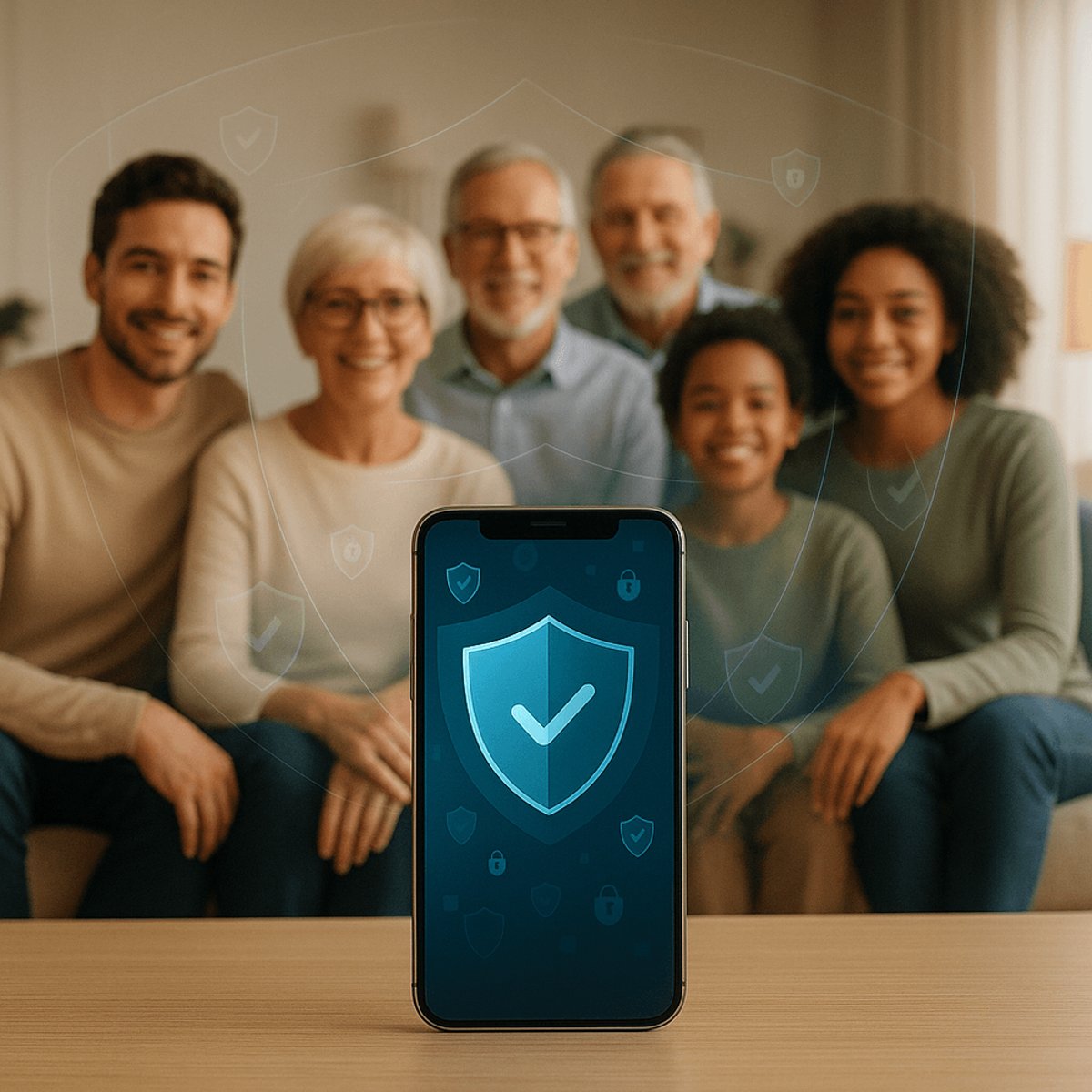
Truecaller just rolled out Family Protection, a feature that lets one tech-savvy family member shield up to five relatives from scam calls. The Swedish company is piloting this household-level defense in Sweden, Chile, Malaysia, and Kenya as fraudsters increasingly target entire families rather than individuals. With scammers detecting 63 million fraud attempts daily across Truecaller's 450 million users, this represents a major shift from individual to collective protection.
Truecaller is betting that families need to fight scammers together. The Swedish caller ID giant just launched Family Protection, a feature that recognizes how modern fraud has evolved from targeting individuals to systematically working through entire households.
The timing couldn't be more critical. CEO Rishit Jhunjhunwala told TechCrunch that scammers have shifted tactics, now "unfolding through a sequence of calls, messages, missed-call triggers, and impersonation attempts directed at multiple family members to find a vulnerable entry point."
Family Protection works by designating one digitally confident person as the administrator for up to five family members. On Android devices, that admin can receive real-time alerts during suspected scam calls, monitor basic device status including battery levels, and even remotely terminate calls flagged as fraudulent. It's essentially turning the most tech-savvy relative into a digital bodyguard for the whole family.
The feature is initially rolling out as a pilot across Sweden, Chile, Malaysia, and Kenya - markets that represent different stages of smartphone adoption and scam sophistication. But the real prize is India, Truecaller's largest market with the highest scam activity, which will get access in the first quarter of 2026.
This expansion timeline isn't coincidental. India has reported sharp increases in impersonation attempts and multi-step schemes that specifically exploit gaps in digital familiarity among first-time smartphone users and older adults. Countries across Asia, Africa, and Latin America are seeing similar patterns as mobile internet penetration accelerates faster than digital literacy.
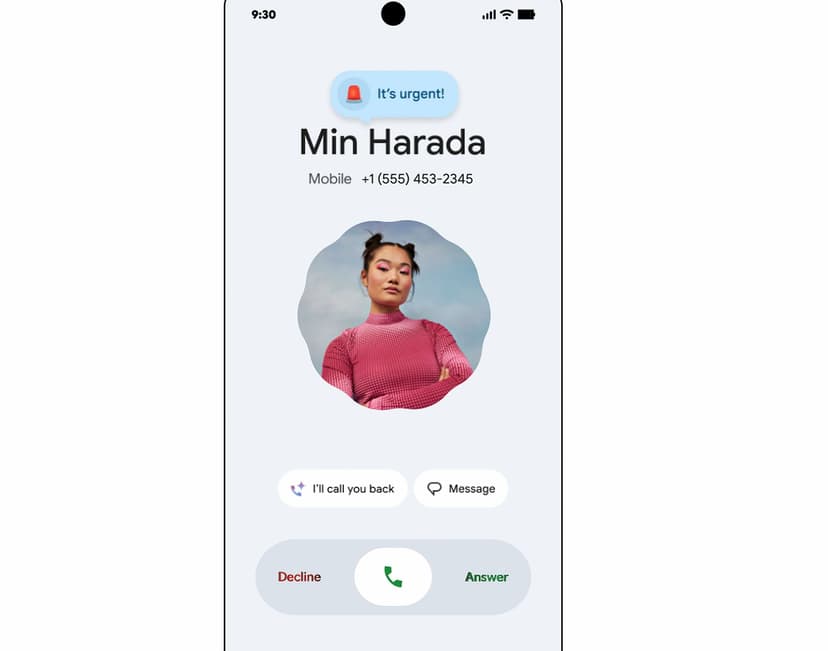
Truecaller's data reveals the scale of the problem. With more than 450 million users worldwide, the platform detects approximately 63 million scam attempts daily while its community reports around 166 million spam calls. That gives Truecaller one of the largest real-time datasets of phone-based fraud activity globally.
But the company also faces mounting pressure. In India, the government is trialing a Caller Name Presentation system that would display names registered with telecom providers on incoming calls - potentially reducing reliance on third-party caller ID services like Truecaller.
That regulatory threat explains why Truecaller is rapidly expanding beyond basic caller identification. Family Protection represents a strategic pivot toward comprehensive household security rather than individual call screening. The feature launches free for all users, though premium family plans unlock ad-free experiences plus stronger spam defense and automatic rejection of high-risk calls.
"With Family Protection, one person's vigilance now strengthens safety for up to five family members," Jhunjhunwala said, emphasizing the company's goal to "extend protection without requiring additional effort from users."
The household approach reflects how scammers have adapted to defensive measures. Rather than repeatedly calling the same number until blocked, fraudsters now map family relationships through social engineering, then systematically contact different household members until finding someone vulnerable to their scheme.
For Truecaller, Family Protection could prove essential for user retention in markets where regulatory changes threaten its core caller ID business. By positioning itself as a comprehensive family safety platform rather than just a call-screening app, the company is building deeper moats around its user base while addressing the evolving nature of mobile fraud.
Family Protection signals Truecaller's evolution from a caller ID utility into a comprehensive household security platform. As scammers become more sophisticated in targeting entire families and governments develop their own caller identification systems, features like this could determine whether Truecaller remains essential or becomes obsolete. The real test will come when the feature reaches India next year, where both the fraud problem and competitive pressure are most intense.