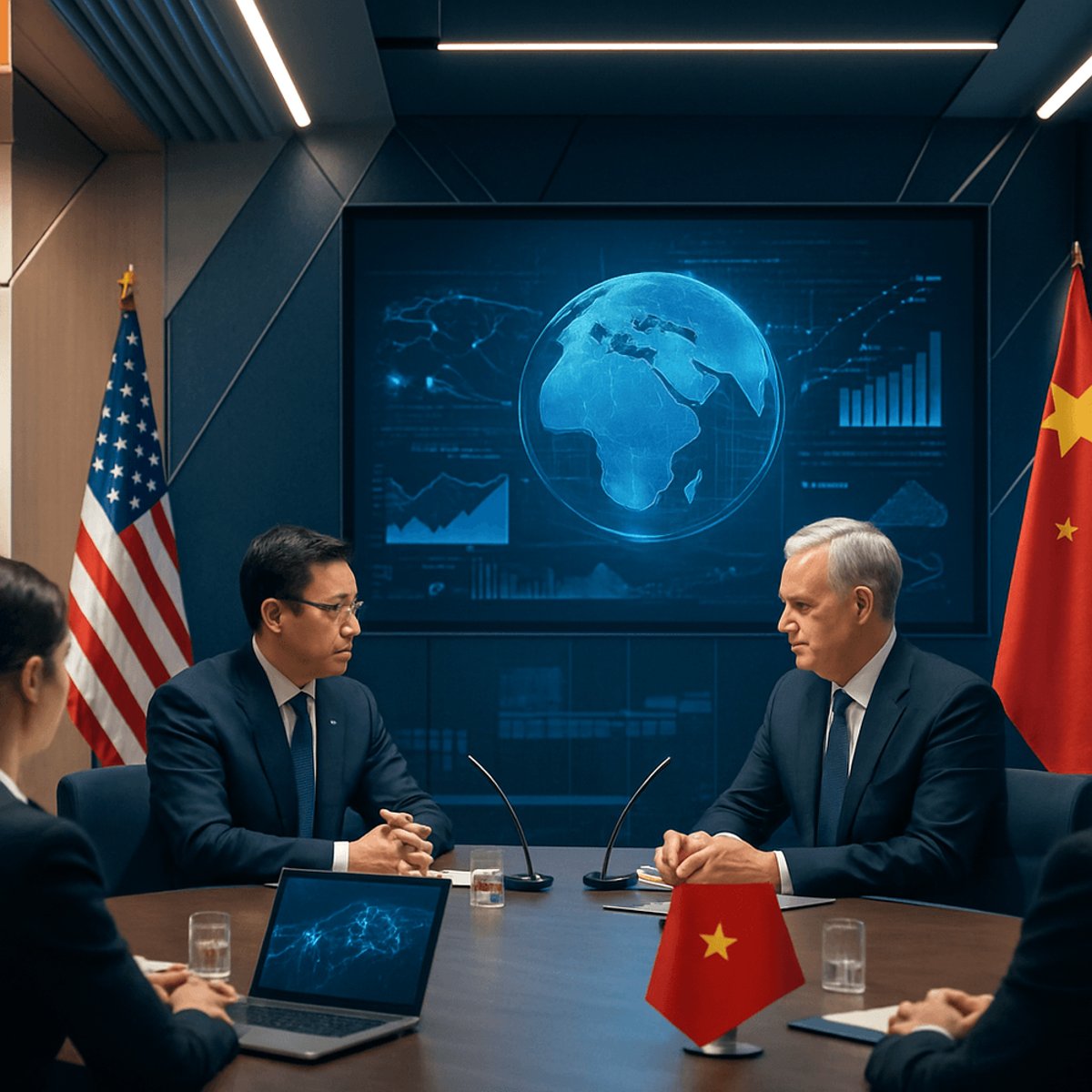
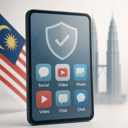
The TikTok saga may finally be reaching its conclusion. Treasury Secretary Scott Bessent announced Sunday that the United States and China have hammered out a final deal for TikTok's future, with President Trump and Chinese leader Xi Jinping expected to formalize the agreement this Thursday in South Korea. After months of extended deadlines and negotiations, the deal would restructure TikTok's U.S. operations under American oversight while avoiding an outright ban.
The long-running TikTok standoff between Washington and Beijing appears headed for resolution this week. Treasury Secretary Scott Bessent's Sunday morning announcement on CBS marks the culmination of negotiations that have kept the popular app in regulatory limbo for over a year.
"We reached one in Madrid, and I believe that as of today, all the details are ironed out," Bessent told CBS' Face the Nation from Kuala Lumpur. The Treasury chief declined to reveal specifics but confirmed his mandate was clear: "get the Chinese to agree to approve the transaction, and I believe we successfully accomplished that over the past two days."
The deal represents a dramatic shift from the hard-line approach that threatened to ban TikTok entirely. Instead of forcing ByteDance into a complete sale, the agreement establishes a complex ownership structure that keeps the Chinese parent company involved while placing U.S. operations under American control.
Under Trump's executive order signed last month, TikTok's crucial U.S. assets - its recommendation algorithm, source code, and content moderation systems - will be governed by a new board of directors. Oracle, led by Trump ally Larry Ellison, takes on the critical role of managing security operations, essentially becoming the app's digital watchdog.
The investor lineup reads like a who's who of Trump-connected entities. Fox Corp, owner of Fox News, joins Andreessen Horowitz and Silver Lake Management in the new joint venture. Trump himself seemed to confirm Fox's participation during recent statements, adding a media dimension to what started as a pure tech deal.
The timing isn't coincidental. Bessent made his announcement while attending broader trade talks in Malaysia, where U.S. and Chinese negotiators were simultaneously hammering out agreements on tariffs and other economic issues. Trade negotiator Jamieson Greer told reporters that rare earth minerals - critical for semiconductor manufacturing - were part of the discussions, though he wouldn't specify details.
"We talked about extending the truce, we talked about rare earths, of course, we talked about all kinds of topics," Greer said. China has been tightening export controls on these minerals, adding another layer of complexity to U.S.-China tech relations.
For TikTok, the deal represents survival after months of uncertainty. Trump has repeatedly extended deadlines for ByteDance to either sell the app or face a U.S. ban, creating operational challenges as the company tried to plan for multiple scenarios simultaneously.
The structure appears designed to address national security concerns while preserving TikTok's core functionality. By placing the algorithm and content systems under American oversight, regulators get visibility into how the app operates, while Oracle's security role provides an additional safeguard against potential data misuse.
But questions remain about implementation. How will the new board structure actually function? What level of access will ByteDance retain? And how will content moderation policies change under American oversight? These details will likely emerge as the deal moves from framework to reality.
The broader implications extend beyond TikTok itself. The agreement could serve as a template for handling other Chinese-owned apps facing similar scrutiny. It also signals a more nuanced approach to tech policy than outright bans, potentially influencing how other countries handle similar situations.
Market reaction should be telling when trading opens Monday. Oracle shares could see movement based on its enhanced role, while the deal's completion removes a significant overhang from broader U.S.-China relations.
Thursday's signing in Korea will mark more than just the end of TikTok's regulatory uncertainty - it represents a new model for handling Chinese tech companies in the U.S. market. Rather than forcing complete divestiture, the deal creates a hybrid structure that addresses security concerns while preserving business continuity. As other Chinese apps face similar scrutiny, this agreement could become the blueprint for navigating the complex intersection of national security, business interests, and global tech competition. The real test will be whether this framework actually delivers on its security promises while allowing TikTok to maintain the features that made it a cultural phenomenon.