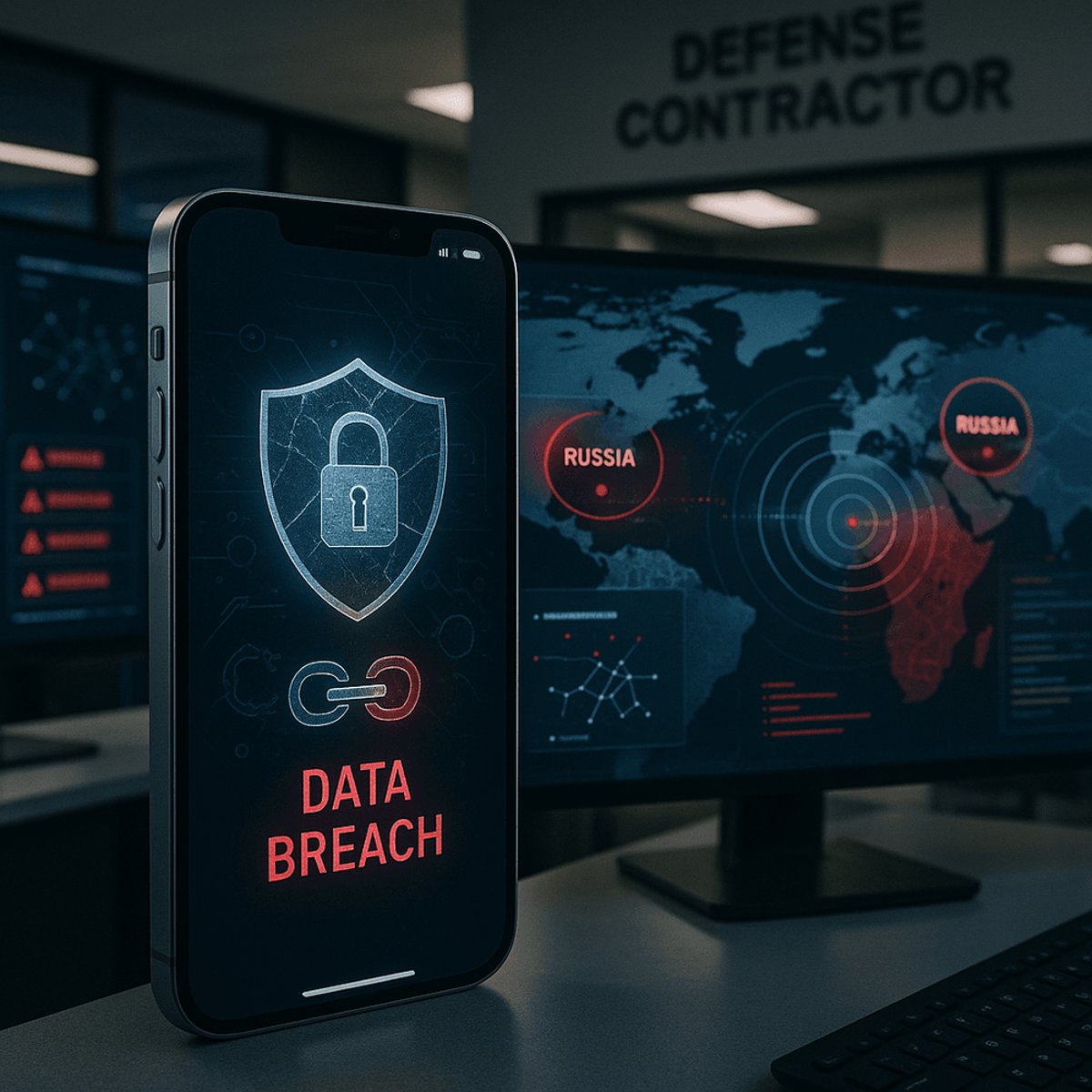
Google just exposed an uncomfortable truth about the cyber weapons supply chain. The tech giant discovered that iPhone hacking tools deployed by Russian intelligence operatives and Chinese cybercriminals originated from a U.S. defense contractor, according to sources at the company who developed them. The revelation raises urgent questions about how American-made cyber weapons end up in adversaries' hands and whether the government can control its own digital arsenal.
Google's Threat Analysis Group dropped a bombshell that's sending shockwaves through the cybersecurity world. The company's researchers traced a sophisticated iPhone exploitation toolkit back to its source - and it wasn't Moscow or Beijing. Sources at a U.S. government defense contractor admitted the tools were theirs, according to TechCrunch's exclusive reporting.
The admission marks one of the most significant known leaks of American cyber weapons since the Shadow Brokers dumped NSA hacking tools online in 2016. But this time, the tools didn't just leak - they became operational weapons in the hands of Russian intelligence and Chinese criminal hackers.
Google detected the toolkit being actively deployed by a Russian espionage group and separately by cybercriminals operating out of China. The dual usage pattern suggests the tools either leaked from the contractor, were stolen, or possibly sold through the murky gray market of cyber weapons brokers. None of those scenarios are good news for Apple users or U.S. national security officials.
The hacking toolkit targets Apple's iPhone, exploiting previously unknown vulnerabilities to gain complete control over devices. Security researchers at Kaspersky, the Russian cybersecurity firm, previously documented similar iPhone attacks under the codename Operation Triangulation. Those attacks compromised iPhones belonging to Kaspersky employees and Russian government officials through invisible iMessage exploits that required no user interaction.
What makes this particularly awkward is the chain of custody. U.S. defense contractors develop these tools under government contracts, theoretically for legitimate intelligence and military operations. The tools are supposed to remain under strict operational security, used only for authorized missions against validated targets. When they show up in Russian intelligence operations, something in that chain broke catastrophically.
The defense contractor sources who confirmed ownership of the tools to TechCrunch didn't explain how Russian and Chinese hackers obtained them. That silence speaks volumes about the sensitivity of what likely amounts to either a major security breach or something more troubling - possible unauthorized sales or transfers.
Apple has been playing defense against sophisticated nation-state iPhone attacks for years. The company patched multiple zero-day vulnerabilities in 2025 that were being exploited in the wild, several of which matched the attack patterns Google now attributes to tools from the U.S. contractor. Each patch represents Apple closing a door that was being actively kicked down by attackers.
The revelation puts Apple in an impossible position. The company markets the iPhone as the most secure consumer device available, with privacy and security as core selling points. But when American-made cyber weapons designed to crack iPhones leak to adversaries, even Apple's formidable security engineering team is playing catch-up.
For the U.S. government, this represents a policy nightmare. Defense officials have long argued that developing offensive cyber capabilities is necessary for national security. But those arguments rest on the assumption that the weapons stay controlled. When they proliferate to Russian intelligence services, the calculus changes entirely. Congress is likely to have questions.
The involvement of L3Harris, a major U.S. defense contractor specializing in communications and electronic systems, adds another layer to the story. While sources haven't explicitly named the company, industry insiders point to L3Harris and similar contractors as the likely developers of such tools given their portfolios and government contracts.
What happens next matters enormously. If the tools leaked through a contractor security breach, that demands an immediate investigation and accountability. If they were stolen through foreign intelligence operations, that's an act of espionage requiring a response. And if they somehow entered the market through sales or transfers, that raises even darker questions about oversight and control.
For iPhone users, the practical implications are clear. The threat model just expanded. It's not just foreign adversaries with homegrown capabilities attacking iPhones anymore - they're using American-made tools specifically designed to bypass Apple's security features. Keeping iOS updated becomes even more critical as Apple races to patch vulnerabilities before attackers can exploit them.
This isn't just another cybersecurity incident - it's a wake-up call about the cyber weapons ecosystem. When tools built by U.S. contractors to protect national security end up weaponized against American technology by foreign adversaries, the entire model of offensive cyber capabilities needs scrutiny. For Apple, it means continuing the endless race to stay ahead of increasingly well-armed attackers. For iPhone users, it's a reminder that no device is truly safe when nation-states and their leaked tools are in play. And for policymakers, it's time to answer some uncomfortable questions about whether the benefits of developing these weapons outweigh the risks when they inevitably escape control.