The US and Taiwan just sealed one of the biggest semiconductor deals in recent memory. In exchange for dropping Taiwan's tariffs from 20 to 15 percent, Taiwanese tech companies are pledging $250 billion to build and expand chip factories across America. TSMC, the world's biggest chipmaker, is leading the charge. The move represents Trump's tariff threats actually working and marks a dramatic shift in how the global chip supply chain will be shaped.
The deal just announced by the Commerce Department turns Trump's tariff threats into actual manufacturing commitments. Under the agreement, Taiwan is cutting a 5-point tariff reduction across all goods in exchange for what amounts to a historic industrial policy win for the US. Taiwanese technology companies are promising $250 billion to build and expand chipmaking facilities stateside, with Taiwan's government backing at least another $250 billion in credit to finance the buildout.
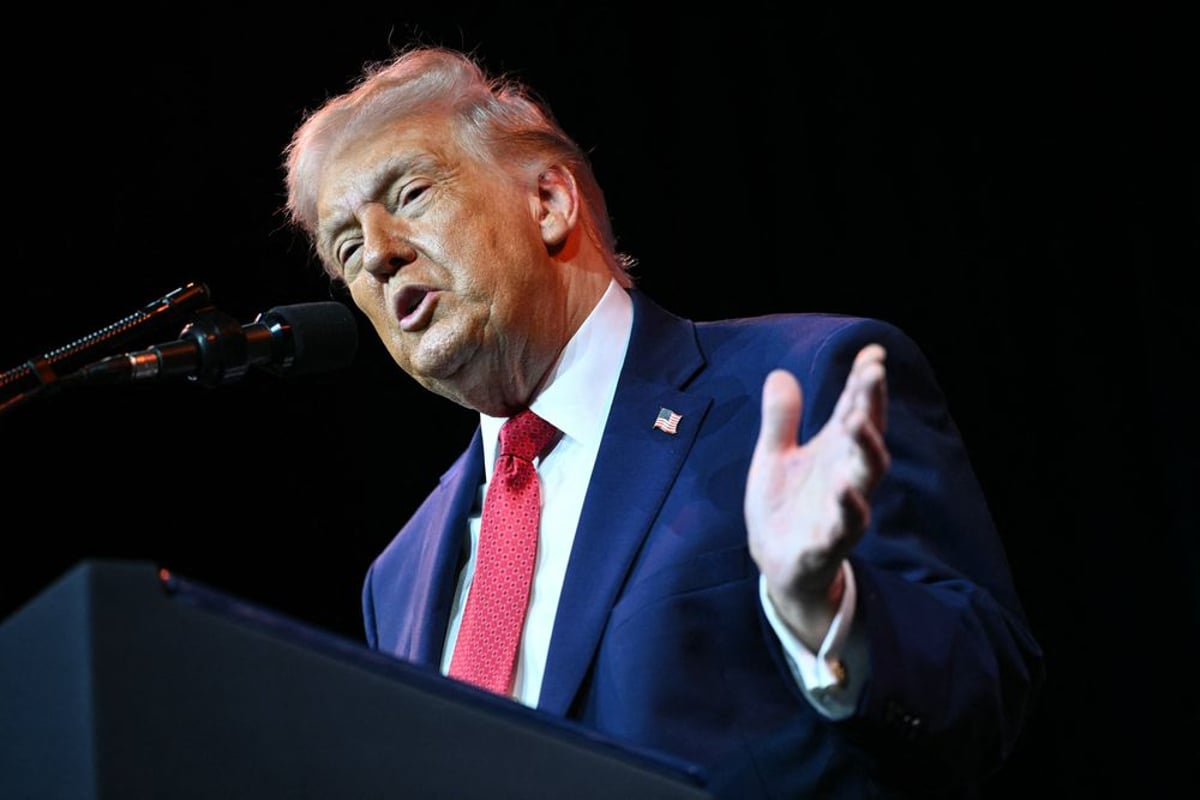
This wasn't a voluntary shift. Commerce Secretary Howard Lutnick told CNBC the country agreed because "they need to keep our president happy," and that "Donald Trump is vital to protecting them." The language is blunt, but it reflects the geopolitical reality: Taiwan's security depends on US commitment, and that commitment now comes with a price tag.
The real leverage here traces back to last year when Trump threatened a 100 percent tariff on chips and semiconductors not made in the US. That threat hung over the entire industry like a sword. He's also begun imposing a 25 percent tariff on advanced AI chips like those from Nvidia and AMD sold into China, essentially cutting the US government in on chip profits. Lutnick made clear the 100 percent tariff threat hasn't gone away: "That's what they get if they don't build in America."
The deal's details reveal how much the US extracted. Taiwanese companies building factories in America can import up to 2.5 times their planned manufacturing capacity without extra tariffs during construction. Once factories are operational, that drops to 1.5 times capacity, tariff-free. It's essentially a tariff holiday for capital imports while they build, then a permanent tariff-advantaged position once production starts. The US also eliminated reciprocal tariffs on generic pharmaceuticals, aircraft components, and natural resources, throwing in sweeteners to make the deal palatable to Taiwan's broader economy.
TSMC, the world's indispensable chipmaker that produces processors for Apple, Nvidia, and nearly everyone else building cutting-edge semiconductors, is leading the charge. The company already committed $100 billion last year to expand US manufacturing and will now be one of the companies driving this new $250 billion commitment. According to Lutnick, TSMC has bought hundreds of acres adjacent to its existing Arizona property where it plans to construct six semiconductor fabs. That's not a small gesture—it's a multi-year, multi-billion-dollar buildout that signals TSMC is betting on America as a permanent manufacturing hub.
What's happening here is deeper than a trade deal. For years, the US has been worried sick about Taiwan producing so much of the world's advanced chips. A military conflict over Taiwan, or even disrupted shipping lanes, would cripple global tech supply chains. Companies like Apple and Nvidia have been privately terrified of this scenario. Now Trump has found a way to make Taiwan and its companies finance semiconductor independence for America. It's coercive in the way Trump operates, but it's also effective. Taiwan gets tariff relief and continued US protection. America gets factories producing chips domestically. China watches its leverage over global chip supply erode.
The geopolitical calculation is explicit in how Lutnick framed the risk: when asked whether Taiwan acknowledged the dangers China poses to its chipmaking business, he noted that's exactly why Taiwan agreed to the deal. Taiwan's semiconductor industry is its lifeblood, and keeping American security commitments credible is how Taiwan survives. Building $250 billion in US manufacturing capacity is essentially Taiwan paying for its insurance policy.
This deal represents a fundamental reset in how advanced chip manufacturing gets financed and located. Taiwan just agreed to spend a quarter-trillion dollars to ensure the US never becomes dependent on Chinese-controlled supply chains for semiconductors. That's an extraordinary commitment born not from market forces but from geopolitical pressure. For readers watching the chip wars intensify, this is the moment when semiconductor manufacturing became a national security weapon and Taiwan became the reluctant financier of American industrial policy. The real question isn't whether this deal works—it almost certainly will—but whether other countries start demanding similar concessions.