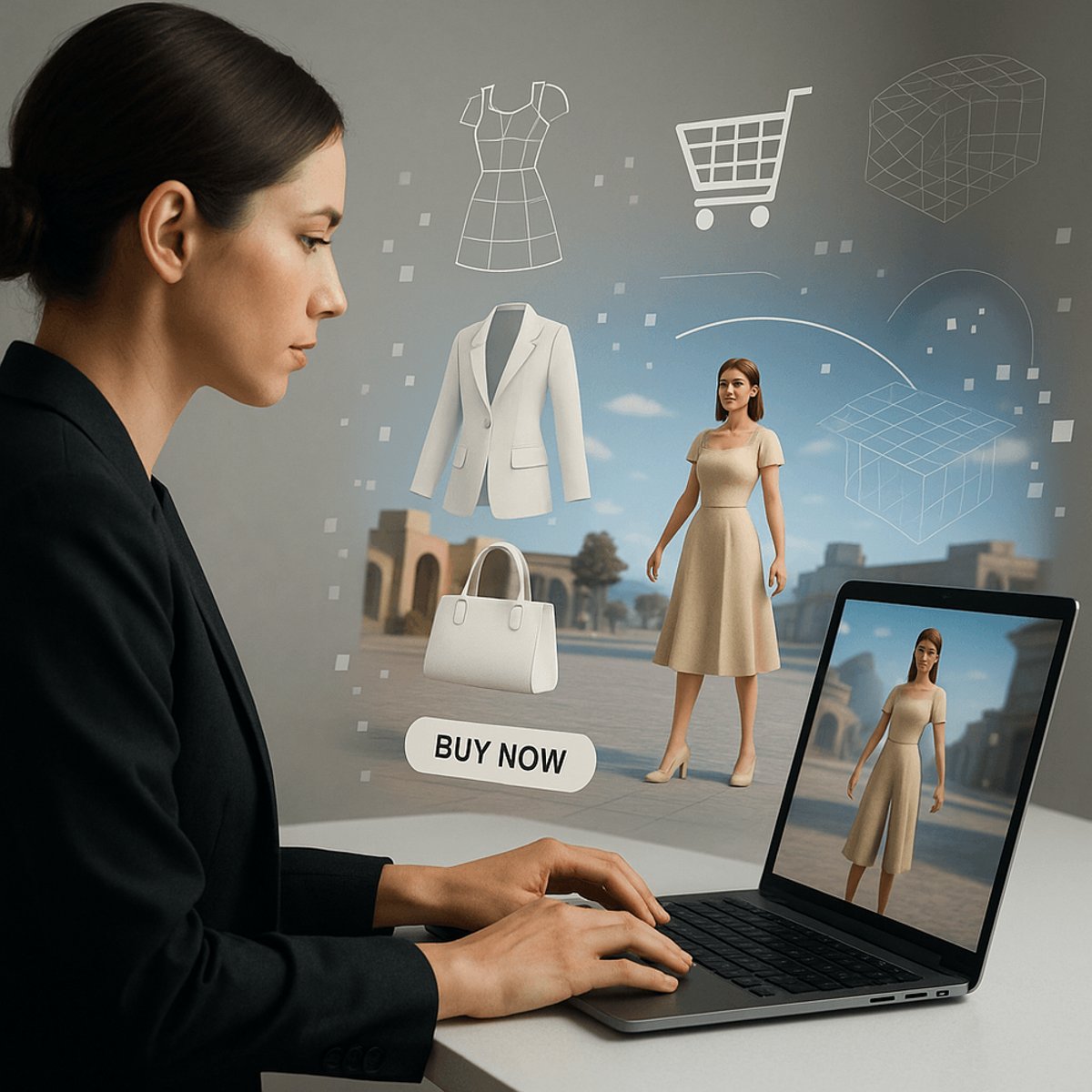
Fashion-tech startup VLGE just made shopping on Roblox a lot more accessible for brands. The platform announced 50 fashion brands are launching shoppable worlds for its World Fashion Week initiative, bypassing the typical $10,000-$100,000 cost and months-long development timeline that's kept many brands off the gaming platform. For an industry scrambling to connect with Gen Z, this could change how fashion brands think about digital storefronts.
VLGE founder Evelyn Mora spotted a problem early in her career - fashion designers cared about sustainability but couldn't stage environmentally friendly large-scale shows. Her solution launched in 2021, and now it's reshaping how brands think about digital commerce.
The gaming and world-building platform just announced its biggest activation yet: 50 fashion brands launching shoppable worlds for World Fashion Week, all powered by VLGE's no-code platform. The initiative bridges creators and Roblox, letting brands build interactive worlds without technical expertise or massive budgets.
"This is significant because Roblox has become fashion's most powerful youth frontier, yet until now, world-building there has been costly, technical, and complex," Mora told TechCrunch. "We make it instant, affordable, scalable, and interoperable, bridging the gap between e-commerce, gaming, and cultural creation."
The numbers tell the story of why this matters. Typically, brands pay agencies anywhere from $10,000 to $100,000 to build a world on Roblox, then wait months for deployment. VLGE's platform eliminates both barriers - users can launch on Roblox instantly without knowing the platform's coding language or having any technical background.
VLGE has already proven its model works with major players. The company has collaborated with Lancome, Charlotte Tilbury, and Vogue Scandinavia, raising $5 million from notable investors including Lammont J. du Pont of the du Pont family, L'Oreal Group, and the British Fashion Capital. The platform made headlines for launching what it calls the world's first 3D and gamified fashion week.
The timing couldn't be better for fashion brands struggling to connect with younger consumers. Gen Z increasingly shops and socializes in gaming environments, making platforms like Roblox critical real estate for brand engagement. VLGE's approach lets brands create interactive experiences rather than traditional campaigns - users can play games, explore virtual showrooms, and purchase items within branded worlds.
Mora's betting big on this shift toward gamified commerce. VLGE plans to launch its own e-commerce store selling both physical items from emerging brands and 3D assets that can be exported into Roblox. The platform offers four tiers: a freemium option plus three paid tiers for creators, small businesses, and enterprises.
The technical infrastructure supports this vision. VLGE works with Unreal Engine and is developing compatibility with Meta Horizon Worlds, positioning itself as a cross-platform solution. This interoperability means brands can build once and deploy across multiple virtual environments.
For the fashion industry, this represents more than just a new sales channel - it's a fundamental shift in how brands think about customer engagement. Instead of staging expensive physical shows or filming traditional campaigns, brands can create persistent, interactive worlds where customers can engage with products over time.
"This moment isn't just about fashion, it's about the infrastructure that will power the next generation of commerce for the new generation," Mora said. The World Fashion Week launch serves as a proof-of-concept for this vision, demonstrating how quickly brands can adapt to gaming-native commerce models.</n
The broader implications extend beyond fashion. As virtual worlds become mainstream shopping destinations, platforms like VLGE could reshape how all consumer brands approach digital engagement, making immersive experiences accessible to companies that previously couldn't afford the technical barriers to entry.
VLGE's World Fashion Week represents a turning point for fashion commerce, proving that technical barriers shouldn't keep brands out of virtual worlds where their customers increasingly live and shop. By democratizing access to platforms like Roblox, the company is helping fashion brands catch up to where Gen Z already is - gaming environments that blend social interaction, entertainment, and commerce. The real test will be whether these shoppable worlds can deliver the engagement and sales that justify the industry's growing investment in gamified retail experiences.