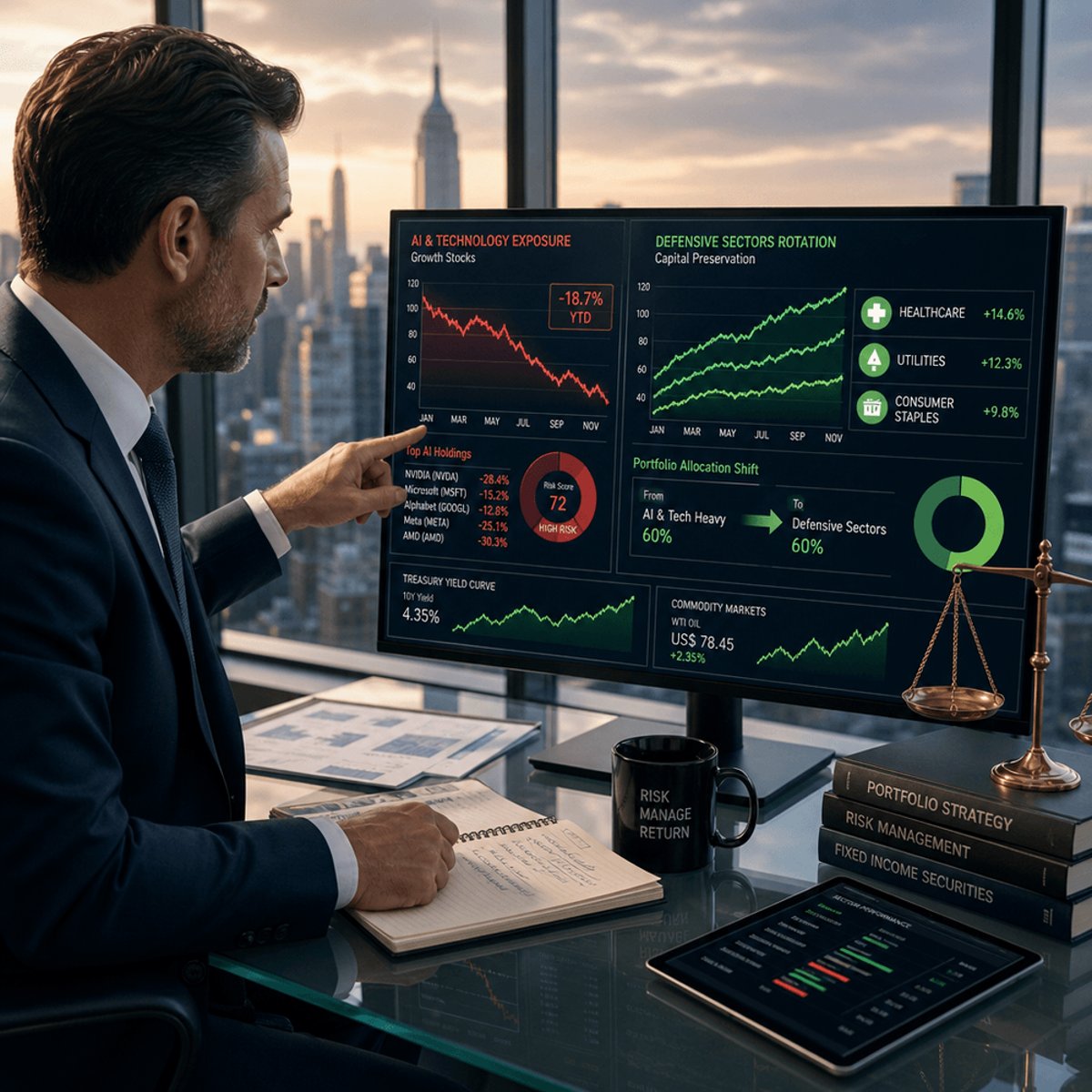
A prominent Wall Street portfolio manager is pumping the brakes on the AI trade. In a note published by CNBC, the fund revealed it added defensive positions last week to offset heavy AI exposure, as rising oil prices and climbing Treasury yields squeeze the risk appetite that's fueled the sector's two-year run.
Something shifted on trading desks last week. A fund manager, writing in a note carried by CNBC, said the firm had gotten "more defensive" by initiating new positions in classic safe-haven sectors, all while keeping its artificial intelligence bets largely intact. The reason isn't a sudden loss of faith in AI. It's math. Oil prices are climbing, Treasury yields are pushing higher, and both of those forces make it harder to justify paying nosebleed multiples for growth stories that haven't yet delivered nosebleed profits.
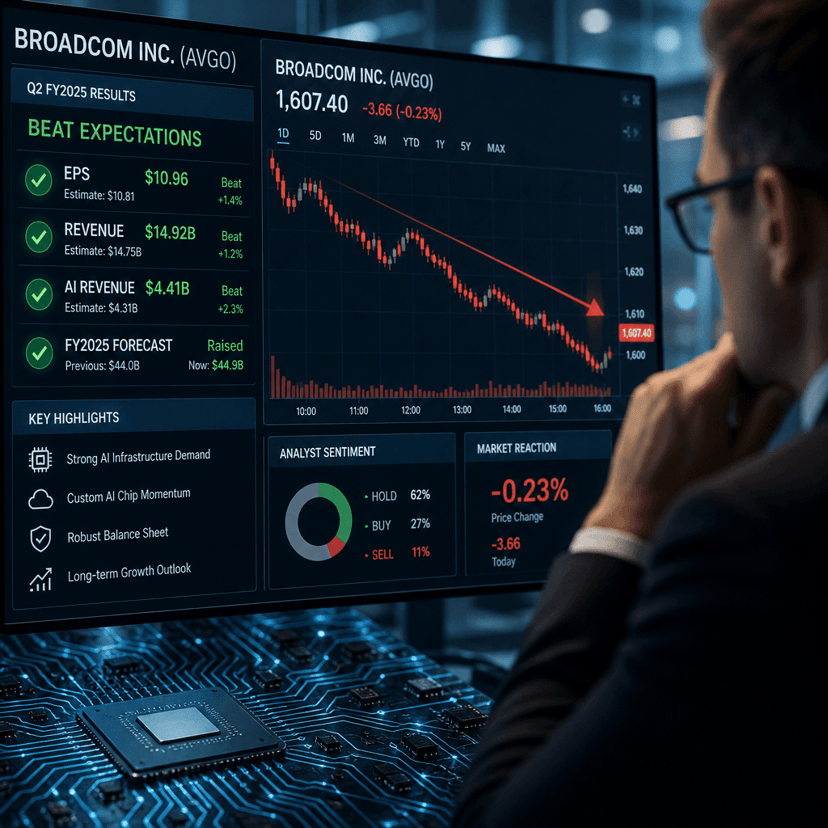
It's a quiet but telling move, and it's not happening in isolation. For the better part of two years, money has poured into anything tied to Nvidia, the chipmaker that's become shorthand for the entire AI trade, along with the hyperscalers building out data centers at a pace that would have seemed reckless a decade ago. That momentum hasn't reversed. But the bar for staying in the trade just got higher, and that's a meaningfully different environment than the one that let AI stocks shrug off almost any bad news for the better part of two years.
Higher Treasury yields matter here in a very specific way. When bond yields rise, the future earnings that growth stocks promise get discounted more heavily in today's dollars, a dynamic anyone who lived through the 2022 tech selloff remembers well. Add in oil prices creeping upward, which squeezes consumer spending and corporate margins across the board, and you've got a macro backdrop that rewards caution over conviction. That's exactly the setup fund managers are describing when they talk about going defensive, rotating into sectors like utilities, healthcare, and consumer staples that tend to hold up when borrowing costs rise and energy costs eat into budgets.
What makes this moment interesting is that it's not a wholesale retreat from AI. It's a hedge. Managers aren't dumping Nvidia or the cloud giants wholesale, they're just making sure a spike in yields or a jump in crude doesn't wreck the whole portfolio if the AI trade cools even a little. That's a subtle but important distinction, and it echoes a pattern The Tech Buzz has tracked before in coverage of how big tech earnings have moved markets even when the underlying growth story stayed intact. Investors aren't necessarily bearish on AI. They're just no longer willing to bet the whole book on it.
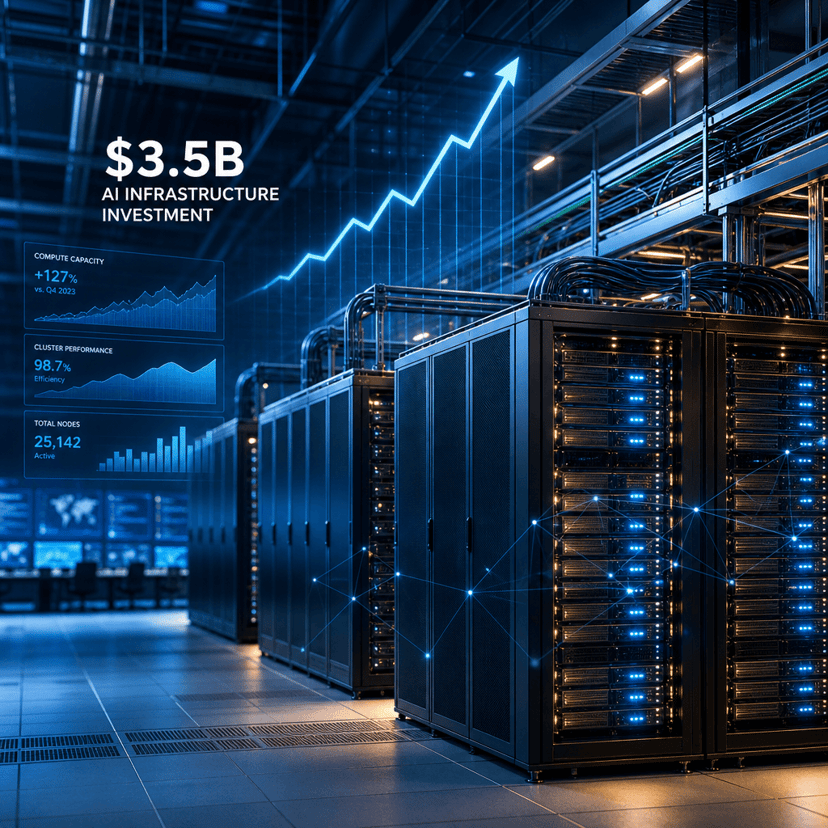
The competitive backdrop adds another layer. Microsoft, Google, Amazon, and Meta have collectively poured hundreds of billions into AI infrastructure, and each quarterly earnings call now comes with intense scrutiny over whether that capital spending is translating into revenue fast enough to satisfy investors who've gotten used to explosive multiples. Any sign that spending is outpacing returns, paired with a macro environment where yields and oil prices are both rising, gives portfolio managers cover to trim exposure without abandoning the theme entirely.
What happens next depends largely on where Treasury yields go from here. If the 10-year keeps climbing, expect more of this rotation, with defensive sectors picking up flows that would have gone straight into AI-adjacent names a year ago. If yields stabilize or oil prices ease, the pressure could lift just as quickly, and the AI trade could resume its old dominance. For now, though, Wall Street's message is clear: the AI story still has believers, but those believers are hedging their bets a little more carefully than they were a few months back.
For everyday investors watching from the sidelines, this is less a warning sign and more a reminder that no trade, not even AI, is immune to macro gravity. Rising oil prices and Treasury yields are forcing even the most bullish fund managers to hedge their AI exposure with defensive plays, which suggests the easy-money phase of the AI trade may be giving way to a more selective, valuation-conscious chapter. Keep an eye on bond yields and energy prices in the coming weeks. They may end up telling you more about where AI stocks head next than any earnings report will.