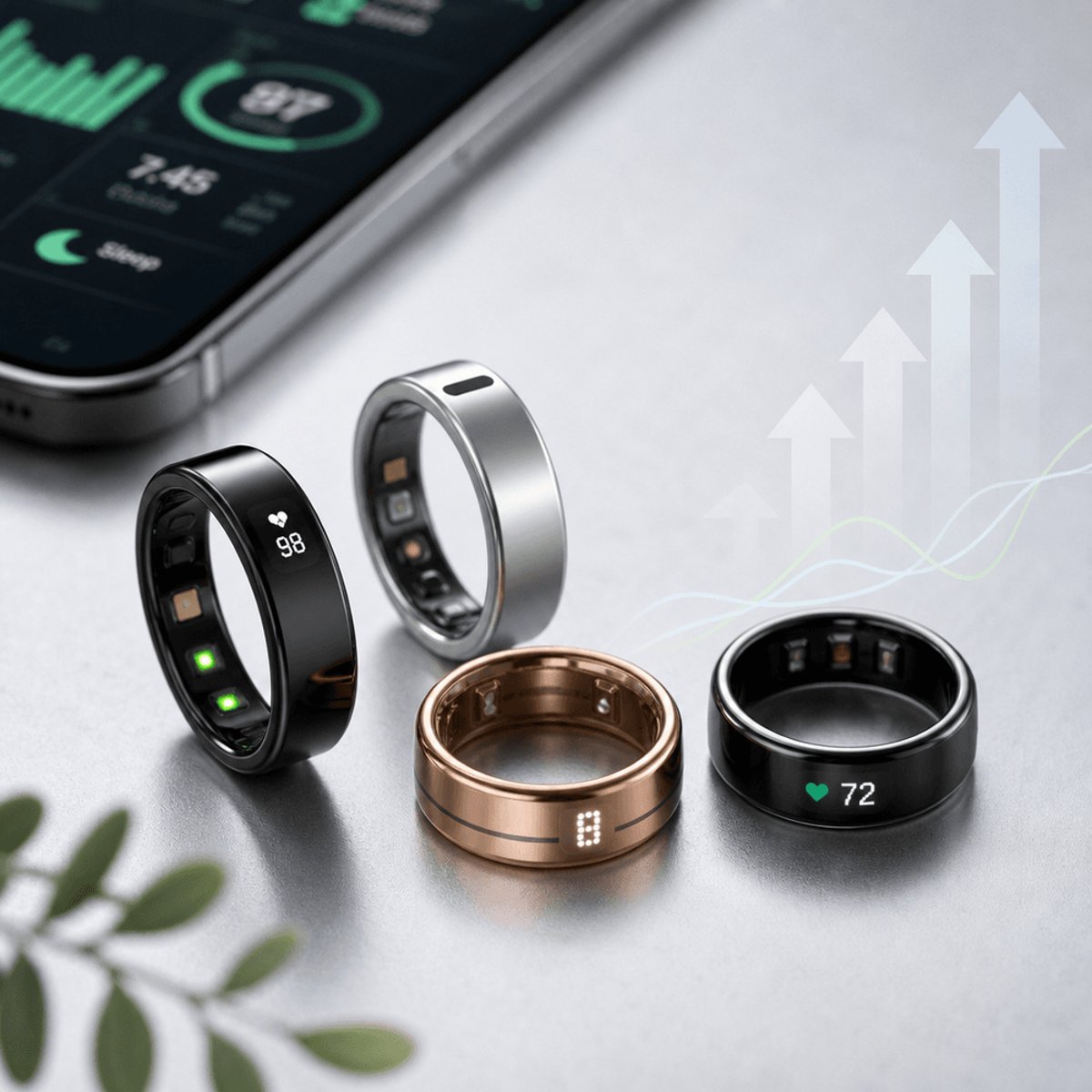
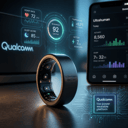
Oura built the smart ring category almost single-handedly, turning a niche wellness gadget into a must-have on millions of fingers. Now, as the company reportedly moves toward an IPO, a pack of hungry competitors, including Ultrahuman and RingConn, are sharpening their pitches, betting that price, specialized health features or hardware tricks can pry away Oura's crown before Wall Street even gets a look at it.
For years, wearing a smart ring basically meant wearing an Oura ring. The Finnish-American company turned a quiet corner of the wearables market into a genuine cultural moment, with its sleep and recovery tracking showing up on the fingers of athletes, CEOs and biohackers alike. Now, according to TechCrunch, Oura is edging toward an initial public offering, a milestone that would make it one of the first pure-play wearable makers to test the public markets in this cycle. But that same spotlight is drawing a swarm of competitors who smell blood, or at least market share, and are moving fast to grab it before Oura can cement its lead with fresh IPO capital.
The most direct challengers right now are Ultrahuman and RingConn, two companies that have built their entire pitch around being the anti-Oura. Where Oura has leaned hard into a subscription model, charging a monthly fee on top of the ring itself to unlock full data insights, both Ultrahuman and RingConn have made a point of skipping the subscription entirely. That's resonated with a chunk of buyers who've grumbled for years about paying twice for the same wellness data, once for the hardware and again every month just to see it. It's a classic wedge strategy: find the thing the market leader does that annoys customers, then build your whole marketing campaign around not doing that.
Ultrahuman in particular has pushed into more specialized health territory, layering in metrics like blood glucose tracking through partnerships with continuous glucose monitor makers, a feature Oura doesn't offer natively. RingConn, meanwhile, has leaned on affordability, undercutting Oura's price point while still packing in sleep, heart rate and activity tracking that's good enough for most casual users who don't need Oura-level precision. Neither company has anywhere close to Oura's brand recognition, but that's exactly the point, they're not trying to out-brand Oura, they're trying to out-value it.
This kind of category-wide scramble usually happens right before or right after a market leader hits an inflection point, and an IPO is about as big an inflection point as it gets. Once Oura's financials are public, every rival will have a roadmap of exactly how the company makes money, how many subscribers it retains, and where its margins are thinnest. That's valuable intelligence for smaller players trying to figure out where to attack. If Oura's subscription revenue turns out to be propping up otherwise thin hardware margins, expect competitors to double down even harder on subscription-free models as a wedge.
There's also a broader signal here about where wearables are headed. Smartwatches from Apple and Samsung have long dominated the broader wearables conversation, but the smart ring's appeal, discreet, always-on, battery life measured in days not hours, has carved out a genuine niche that neither company has fully cracked yet. Oura's success proved the category could support a standalone business, and now everyone from health-tech startups to established consumer electronics players is trying to figure out if there's room for a second or third winner, or whether this ends up looking like a lot of other hardware categories where one company takes most of the value and everyone else fights over scraps.
What happens next probably hinges on timing as much as product. If Oura's IPO lands well and the company uses the capital to widen its lead, whether through new health features, tighter partnerships with insurers, or just aggressive marketing, the window for challengers could close fast. But if the public debut stumbles, or if investors start asking hard questions about subscription fatigue and churn, that's exactly the kind of opening Ultrahuman, RingConn and whoever else is quietly building in this space will be waiting for.
Oura's move toward the public markets isn't just a corporate milestone, it's a starting gun for the entire smart ring category. Every rival now has a reason to move faster, price smarter and differentiate harder, knowing that Oura's next chapter as a public company could either lock in its dominance or crack open the door for someone else to walk through. For consumers, that competition likely means better features and fewer subscription headaches. For the industry, it's a real test of whether the smart ring market has room for more than one winner.