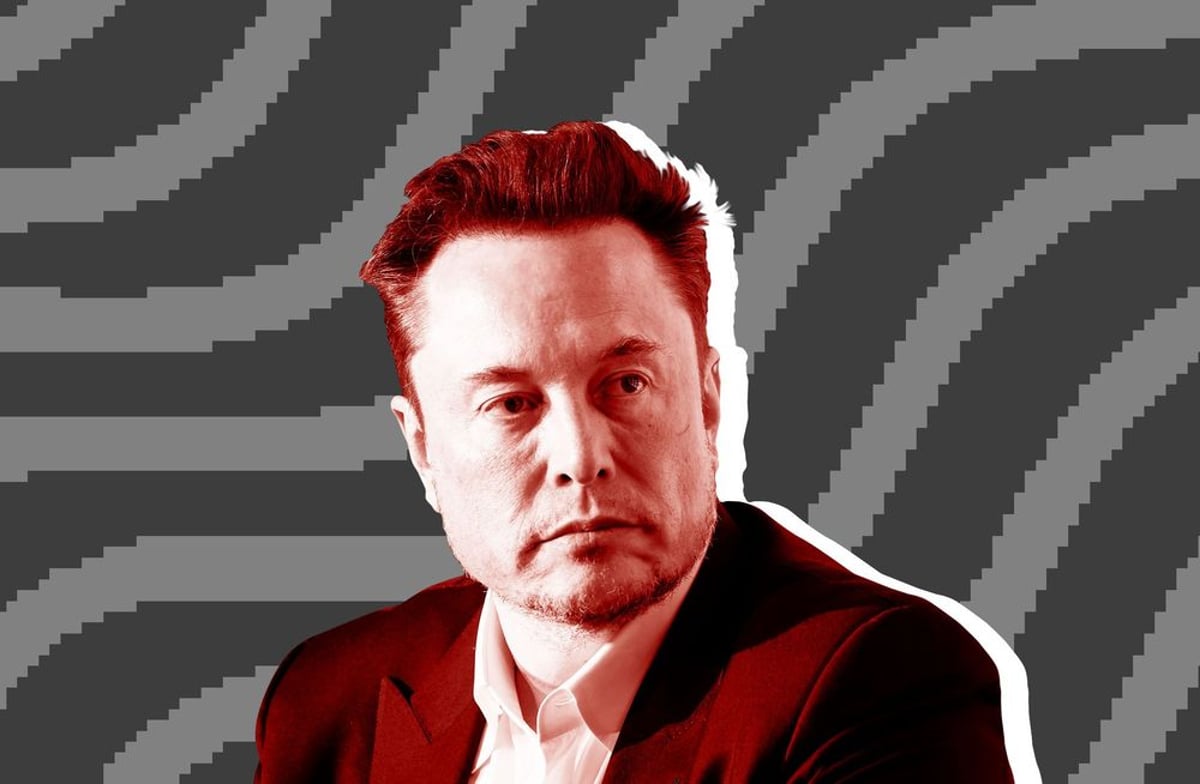
Elon Musk's upcoming payments platform just hit a regulatory speed bump. Sen. Elizabeth Warren is demanding answers about X Money's safety protocols ahead of its April launch, warning the service could threaten consumers and national security. The letter, sent Tuesday, puts Musk's fintech ambitions under Washington's microscope just as the platform prepares to open for early access.
Elon Musk's long-promised payments play is facing its first major political test. Sen. Elizabeth Warren just fired off a letter to the billionaire raising alarm bells about X Money, the payment platform Musk plans to launch within weeks. Warren's concern? That Musk's track record running X - the platform formerly known as Twitter - doesn't inspire confidence he can safely handle people's money.
The Massachusetts Democrat didn't mince words in her Tuesday letter, warning that X Money "could pose a risk to consumers, our national security, and the stability of the financial system." It's a striking escalation of regulatory scrutiny targeting one of tech's most ambitious - and controversial - figures as he tries to break into the tightly regulated payments industry.
Musk announced on X that X Money will open for early public access in April, though he's been characteristically light on details. What we know comes mainly from former X CEO Linda Yaccarino, who said last year the platform will let users fund an X Wallet using Visa's Direct service and connect debit cards for peer-to-peer transactions. Think Venmo or Cash App, but built into X's social platform.
But Warren's letter suggests Washington isn't ready to wave Musk through. The senator points to what she calls his problematic management of X since acquiring the platform in 2022 - a period marked by mass layoffs, content moderation controversies, and advertiser exodus. Now Warren's asking whether that same leadership style should be trusted with Americans' bank accounts and financial data.
The timing couldn't be more delicate for Musk. Payments has been a personal obsession dating back to his PayPal days in the late 1990s. He's repeatedly described turning X into an "everything app" modeled on China's WeChat, where payments are seamlessly integrated into social networking. X Money represents the first concrete step toward that vision since his $44 billion acquisition.
But launching a payments service means navigating a regulatory maze that's far more complex than social media. Money transmitter licenses, anti-money laundering compliance, consumer protection rules - it's a different beast entirely. X has been quietly obtaining state money transmitter licenses across the U.S., but federal scrutiny could throw sand in the gears.
Warren's involvement is particularly significant because she chairs the Senate Banking Subcommittee on Economic Policy and has been one of tech's fiercest critics on consumer protection issues. Her letter signals that X Money won't get a quiet rollout - it'll face the kind of regulatory pressure typically reserved for major financial institutions.
The senator's national security concerns are especially intriguing. While she didn't elaborate in publicly available excerpts, the worry likely centers on data security and the potential for financial surveillance or manipulation on a platform that's become increasingly politicized under Musk's leadership. With hundreds of millions of users worldwide, X Money could become a significant financial infrastructure player overnight.
For context, this isn't Musk's first rodeo with payments. He co-founded X.com in 1999, which merged with Confinity to become PayPal before eBay acquired it in 2002. But the payments landscape has transformed dramatically since then. Today's market is crowded with established players like Venmo, Cash App, and Apple Pay, all operating under intense regulatory oversight.
The question now is whether Warren's letter is just political theater or the opening salvo in a serious regulatory fight. Musk has shown he's willing to battle Washington - he's currently suing the SEC and has publicly feuded with multiple government agencies. But payments regulation isn't optional, and defiance could mean X Money never gets off the ground in key markets.
What's missing from the public conversation is any detailed response from Musk or X about their compliance infrastructure, security protocols, or how they plan to address the concerns Warren raised. Musk's typical playbook of dismissive tweets probably won't cut it when you're asking people to trust you with their money.
Warren's letter transforms X Money's launch from a product story into a regulatory showdown. Musk's trying to enter one of the most heavily regulated corners of tech at a moment when his credibility with Washington is already strained. Whether this derails the April timeline or just adds friction remains to be seen, but one thing's clear - X Money won't get the quiet rollout Musk probably hoped for. Watch for his response and whether other lawmakers pile on with similar concerns.