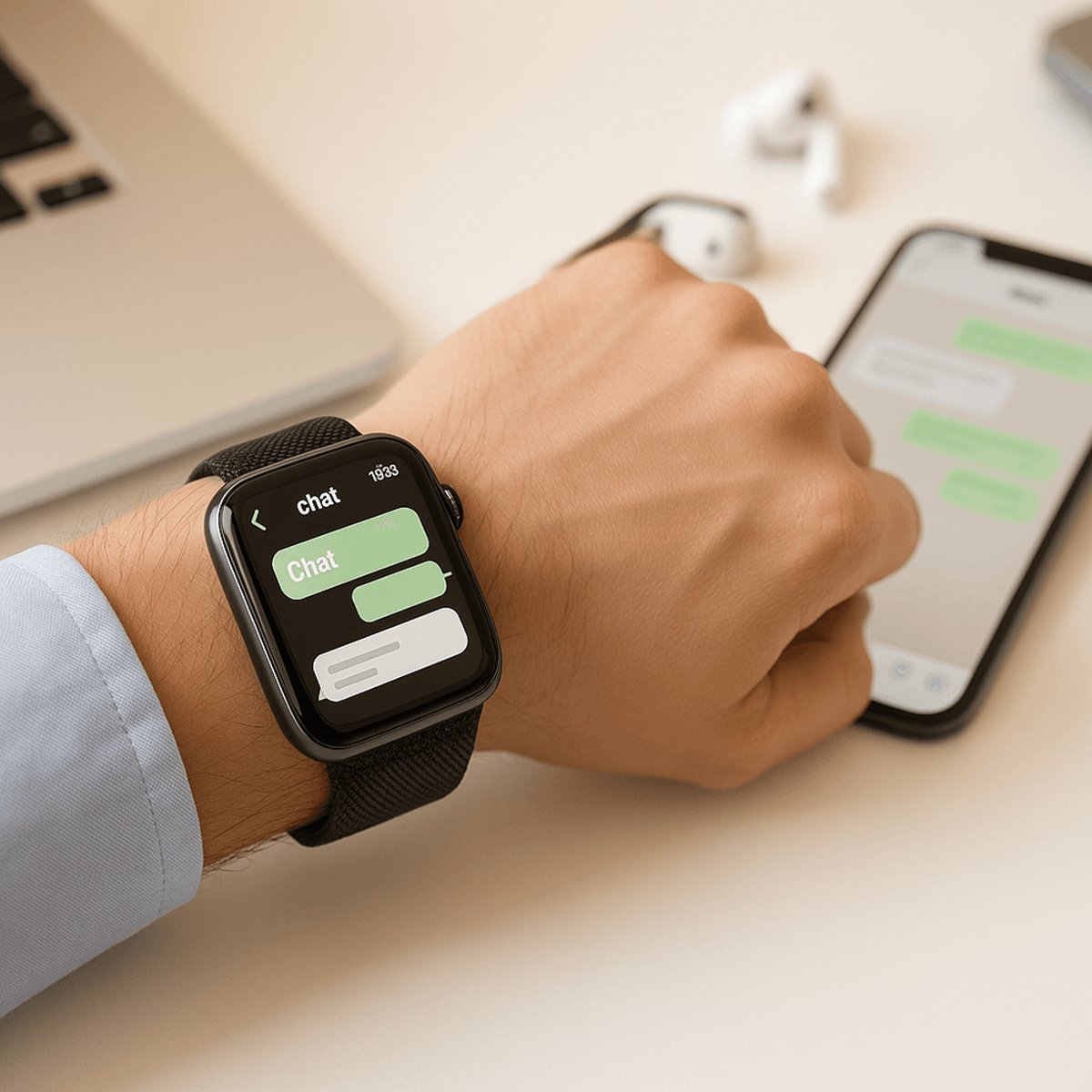
WhatsApp just dropped its long-awaited Apple Watch app, marking the first time users can send voice messages, read full conversations, and handle calls directly from their wrist. The Meta-owned platform is finally catching up to competitors like Snapchat, which launched its own watchOS app months ago, as the messaging wars extend into wearables.
WhatsApp users have been asking for this for years, and Meta finally delivered. The messaging giant announced its native Apple Watch app on Tuesday, bringing the full WhatsApp experience to your wrist for the first time. Users can now handle call notifications, read complete messages, record voice clips, and even react to conversations without pulling out their iPhone.
"This new experience will help you stay on top of your chats without needing to pull out your iPhone," WhatsApp explained in its official blog post. The timing isn't accidental - Meta is racing to close feature gaps as messaging apps battle for users' attention across every device they own.
The app packs in features that actually make sense on a tiny screen. You can see more chat history when scrolling through conversations, view clearer images and stickers, and use message reactions. Voice messaging works seamlessly, letting you record and send audio clips directly from the watch face. All messages stay protected with end-to-end encryption, maintaining WhatsApp's security promise even on wearables.
The technical requirements are straightforward - you'll need an Apple Watch Series 4 or newer running watchOS 10 or later. That covers most active Apple Watch users, though it leaves older models behind. Meta says more functionality is coming to the platform, suggesting this is just the beginning of their wearables strategy.
This launch wasn't exactly a surprise. 9to5Mac spotted WhatsApp testing the watchOS app last week, confirming rumors that had been circulating for months. The company's been methodically expanding beyond smartphones, launching its long-awaited iPad app in May with support for 32-person video calls and screen sharing.
The competitive landscape tells the real story here. Snapchat beat WhatsApp to Apple Watch earlier this year, launching its watchOS app globally with quick reply features including keyboard input, Scribble writing, dictation, and emoji responses. But Snapchat focused purely on messaging efficiency - no media viewing or complex features.
WhatsApp's taking a different approach, building what feels like a miniature version of the full app. The clearer image display and expanded chat history viewing suggest Meta believes people want rich experiences on their wrists, not just notification management. That's a bet on how wearables will evolve as screens get better and processing power increases.
The broader context matters too. Apple has been pushing developers to create more sophisticated watchOS apps, moving beyond simple notification mirrors toward standalone experiences. WhatsApp's full-featured approach aligns with that vision, potentially setting the standard for how major messaging platforms approach wearables.
For WhatsApp's 2+ billion users, this fills a significant ecosystem gap. Many relied on basic notifications or workarounds to stay connected through their Apple Watch. Now they get native integration with the messaging platform they use most, without sacrificing core features or security.
The timing also reflects Meta's broader strategy of platform expansion. As smartphone growth slows and users spread their attention across more devices, messaging apps need to follow users everywhere they go. WhatsApp's Apple Watch debut signals the company is serious about owning the entire communication experience, from phones to tablets to wearables.
WhatsApp's Apple Watch launch represents more than just another app - it's Meta's acknowledgment that messaging platforms must follow users across every device they own. While the company was late to the wearables party compared to Snapchat, the full-featured approach suggests they're building for a future where smartwatches handle increasingly complex tasks. For the millions of WhatsApp users who've been waiting, this finally closes a frustrating gap in their daily communication toolkit.