Pocket Casts just rolled out playlist functionality, letting users organize podcast episodes in custom listening orders. The Automattic-owned app is banking on personalization to chip away at Spotify's dominant 281 million subscriber base, while Pocket Casts sits at just 60,000 paid users. It's a David-versus-Goliath play in the increasingly competitive podcast space.
Pocket Casts is making its move against the podcast giants. The Automattic-owned app just launched playlist functionality that lets users organize their favorite episodes in custom listening orders - a feature that's been standard on music platforms for years but surprisingly absent from most podcast apps.
The numbers tell the story of why this matters. While Spotify commands 281 million subscribers across its platform, Pocket Casts is working with just 60,000 paid users. That's not just a gap - it's a chasm that requires smart product differentiation to bridge.
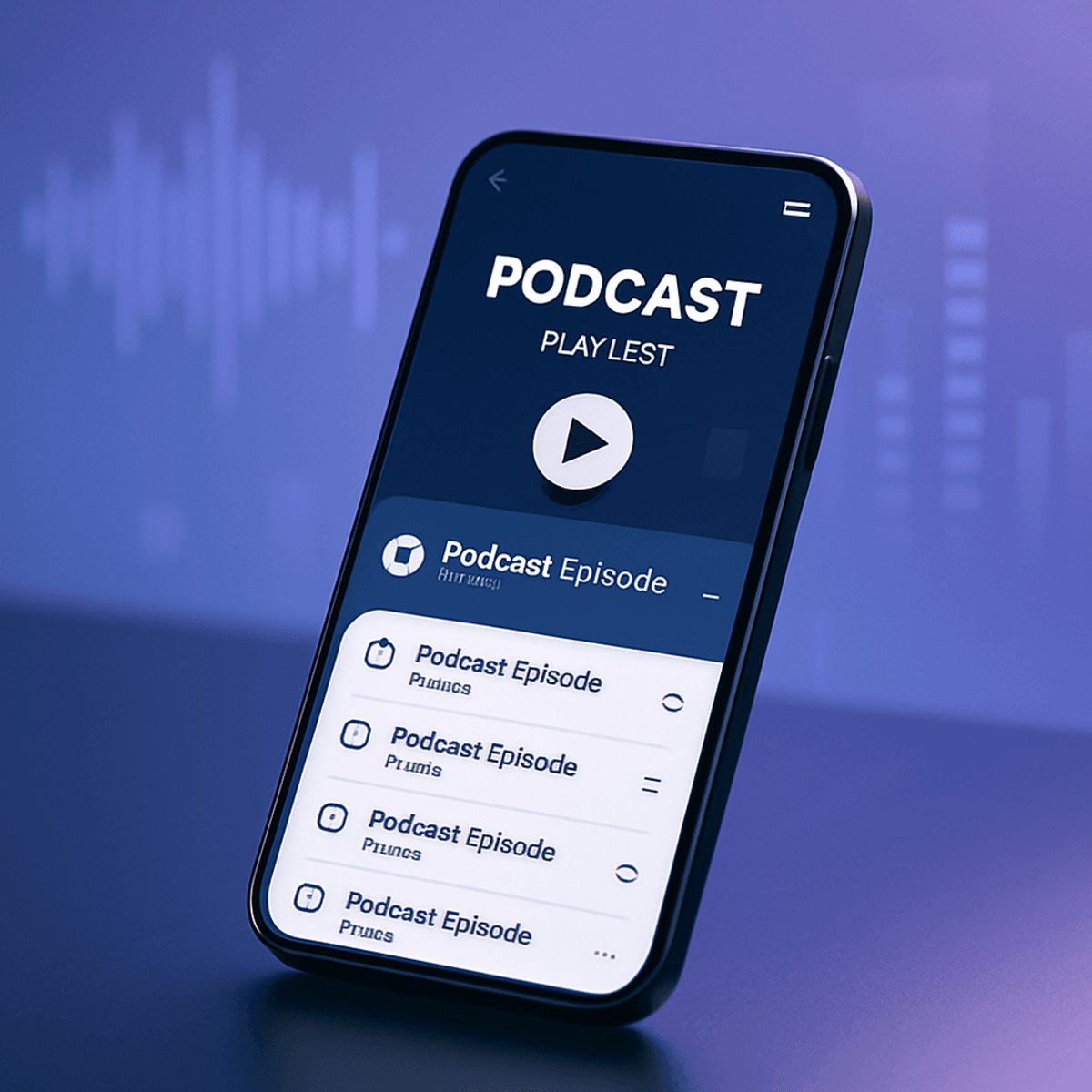
The playlist feature works two ways. Users can manually curate collections by navigating to the new Playlists tab and handpicking episodes from their favorite shows. Think themed collections around specific topics, or episodes featuring the same guest across different podcasts. It's the kind of curation that podcast enthusiasts have been doing mentally for years, now finally available as an actual feature.
But the real innovation lies in Smart Playlists. Users can set custom rules that automatically gather episodes based on specific criteria. Want only episodes under 25 minutes for your commute? Done. Only unplayed or downloaded content for offline listening? Easy. It's the kind of intelligent automation that could give smaller platforms an edge over the algorithm-heavy approaches of bigger competitors.
The rollout strategy shows Pocket Casts is being methodical about this launch. Web and desktop versions are live now, Android is getting the feature in a rolling deployment, and iOS users will get access soon. This staggered approach lets them iron out any issues before hitting the platform where most podcast listening happens.
This isn't Pocket Casts' first attempt to differentiate itself from the giants. Earlier this year, the company made its web player free, removing a paywall that had been limiting its growth potential. That move positioned it as a more accessible alternative to platforms that keep premium features locked behind subscriptions.
The timing is strategic. Podcast consumption continues growing, but the market is increasingly dominated by a few major players. Apple Podcasts remains the default for iOS users, while Spotify has aggressively expanded its podcast offerings through major acquisitions. Smaller players like Pocket Casts need features that create genuine user value, not just feature parity.
Playlists could be that differentiation. While Spotify focuses on algorithmic recommendations and exclusive content deals, Pocket Casts is betting on user agency - the ability to create exactly the listening experience you want. It's a philosophy that resonates with podcast enthusiasts who prefer curation over automation.
The competitive landscape is only getting tougher. YouTube has been pushing hard into podcasts, leveraging its massive user base. Amazon continues investing in Audible and podcast content. Even Google keeps iterating on Google Podcasts, though with mixed results.
What's interesting is how this positions Automattic in the media space. The company behind WordPress and Tumblr now has a podcast app that's trying to carve out its own niche. It's part of a broader strategy to build tools for creators and content consumers across different mediums.
Pocket Casts is making a smart bet that podcast listeners want more control over their listening experience, not just better algorithms. With playlist functionality now live, the app is positioning itself as the platform for podcast enthusiasts who prefer curation over automation. Whether this feature can help bridge the massive user gap with Spotify remains to be seen, but it's exactly the kind of thoughtful product development that could give smaller players a fighting chance in an increasingly consolidated market.