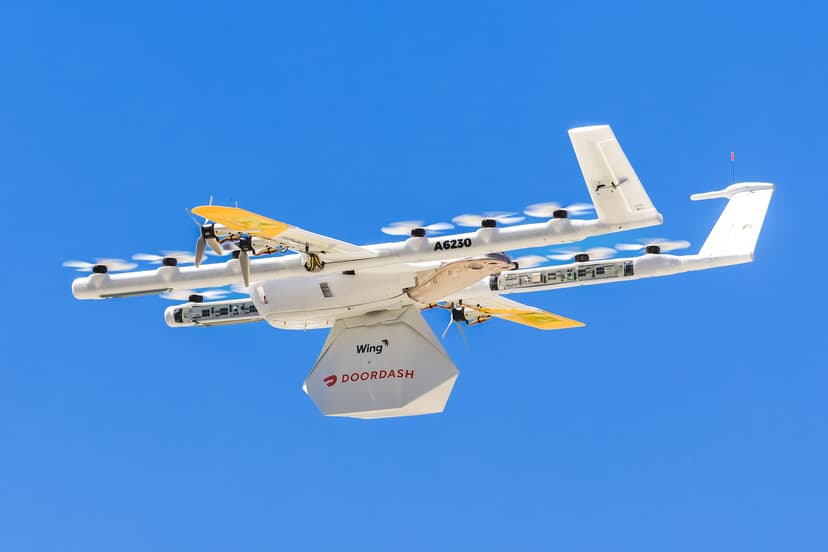
Wing, Google's drone delivery subsidiary, is pushing past the novelty phase with a major expansion into seven additional U.S. cities through its Walmart partnership. The move signals that autonomous aerial delivery is transitioning from pilot programs to genuine logistics infrastructure, as retailers race to solve the last-mile delivery puzzle that's plagued e-commerce since its inception.
Wing just made its biggest territorial push yet. The Alphabet-owned drone delivery service is bringing its autonomous aircraft to seven new American cities, all through an expanded partnership with retail giant Walmart. It's the kind of move that suggests drone delivery might finally be graduating from tech demo to actual business.
The timing isn't accidental. E-commerce giants have been burning cash on last-mile delivery for years, watching margins evaporate as consumers demand faster shipping at lower costs. Drone delivery promises to cut those costs dramatically—no driver salaries, no vehicle maintenance, no traffic jams. Just a straight line from warehouse to doorstep.
Wing's been quietly building toward this moment. The company, which operates as an independent subsidiary under Google's parent company Alphabet, has already logged hundreds of thousands of deliveries across its existing markets in Australia, Finland, and select U.S. locations including parts of Texas and Virginia. But seven cities at once represents a different level of ambition entirely.
Walmart is making a calculated bet here. The retail behemoth has been locked in an arms race with Amazon over delivery speed for years, and Amazon's own Prime Air drone program has been developing in parallel. By expanding with Wing now, Walmart gets to plant its flag in multiple markets simultaneously while its main competitor is still working through regulatory hurdles and technical challenges.
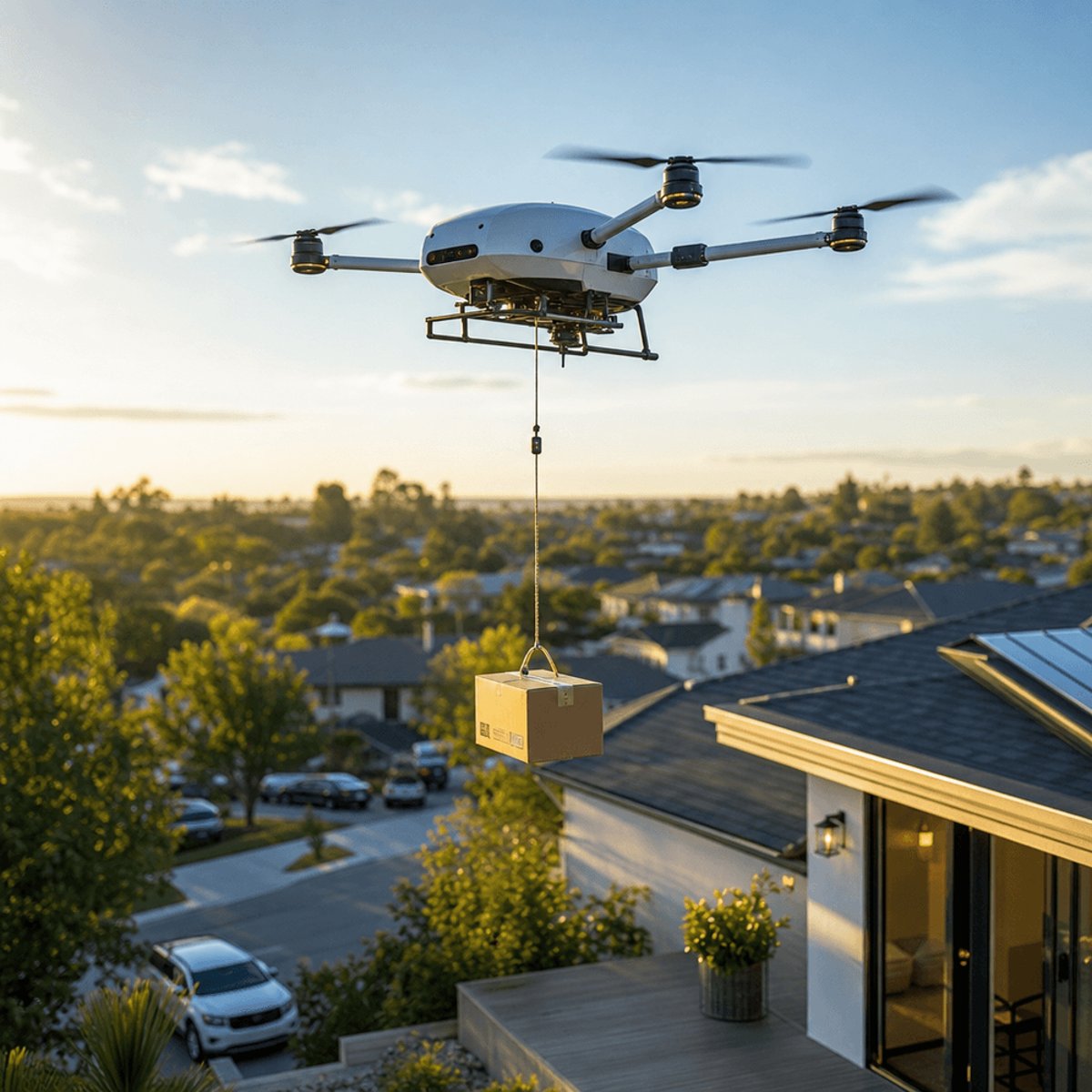
The technology itself has matured considerably. Wing's drones can carry packages up to 3 pounds over distances of roughly 6 miles, with delivery times often clocked under 10 minutes from order to doorstep. The aircraft lower packages on tethers rather than landing, which solves the thorny problem of finding safe landing zones in residential areas. It's an elegant solution that also happens to be faster than a traditional landing-and-takeoff cycle.
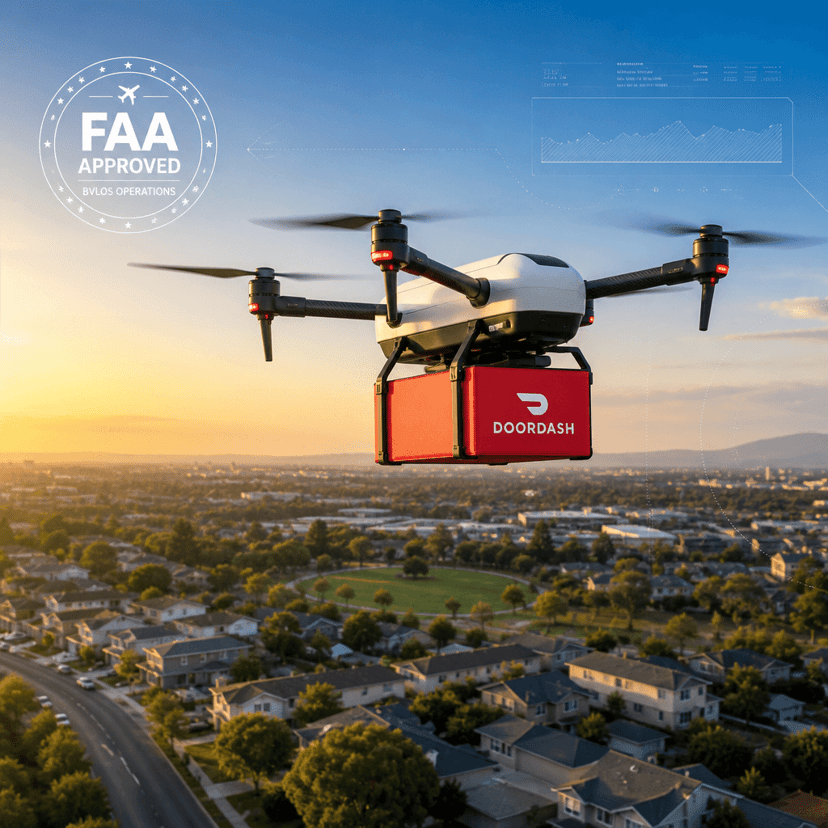
Regulatory approval has been the real bottleneck. The Federal Aviation Administration has been cautiously opening the skies to commercial drone operations, but the process involves mountains of safety data and community acceptance studies. Wing's existing track record likely smoothed the path for this expansion, though each new market still requires its own approval process and local coordination.
The economics tell an interesting story. Traditional last-mile delivery costs retailers between $7 and $10 per package in urban areas, sometimes more for rushed orders. Drone delivery proponents claim they can cut that figure in half once operations reach scale. If those numbers hold up in practice, the savings could reshape retail logistics entirely.
But there are legitimate questions about scalability. Weather grounds drones. Dense urban environments create airspace complexity. Not every product fits the weight and size constraints. And plenty of consumers still feel uneasy about autonomous aircraft buzzing through their neighborhoods. Wing will need to prove the service works reliably across different climates, housing types, and population densities.
Competition is heating up fast. Amazon announced plans to expand Prime Air to additional locations by late 2025. Zipline, another major player, has been aggressively pursuing retail partnerships. Even UPS has been testing drone delivery through its Flight Forward subsidiary. The race is on to establish territorial footholds before the market consolidates.
For Walmart, this is about more than just delivery speed. It's about reshaping customer expectations. Once people experience 10-minute drone delivery for small items—phone chargers, medications, baby supplies—traditional delivery windows start feeling antiquated. That psychological shift could give early movers a significant competitive advantage.
The seven new cities haven't been publicly named yet, but Wing's previous expansion pattern suggests a mix of suburban and smaller metropolitan areas where airspace is less congested and regulatory approvals come easier. Dense urban cores like New York or San Francisco remain challenging environments for scaled drone operations, at least for now.
Industry watchers are calling this a pivotal moment. If Wing and Walmart can demonstrate reliable, profitable drone delivery across diverse markets, it validates the entire category. If the expansion stumbles—technical failures, public backlash, regulatory pushback—it could set the industry back years and billions in investment.
Wing's seven-city expansion with Walmart marks the moment drone delivery stops being a curiosity and starts looking like actual infrastructure. The real test isn't whether the technology works—Wing's already proven that across thousands of deliveries. It's whether consumers embrace it at scale, whether the economics hold up beyond pilot programs, and whether the regulatory framework can keep pace with the ambition. If this expansion succeeds, expect every major retailer to accelerate their aerial delivery plans. The sky's about to get a lot more crowded.