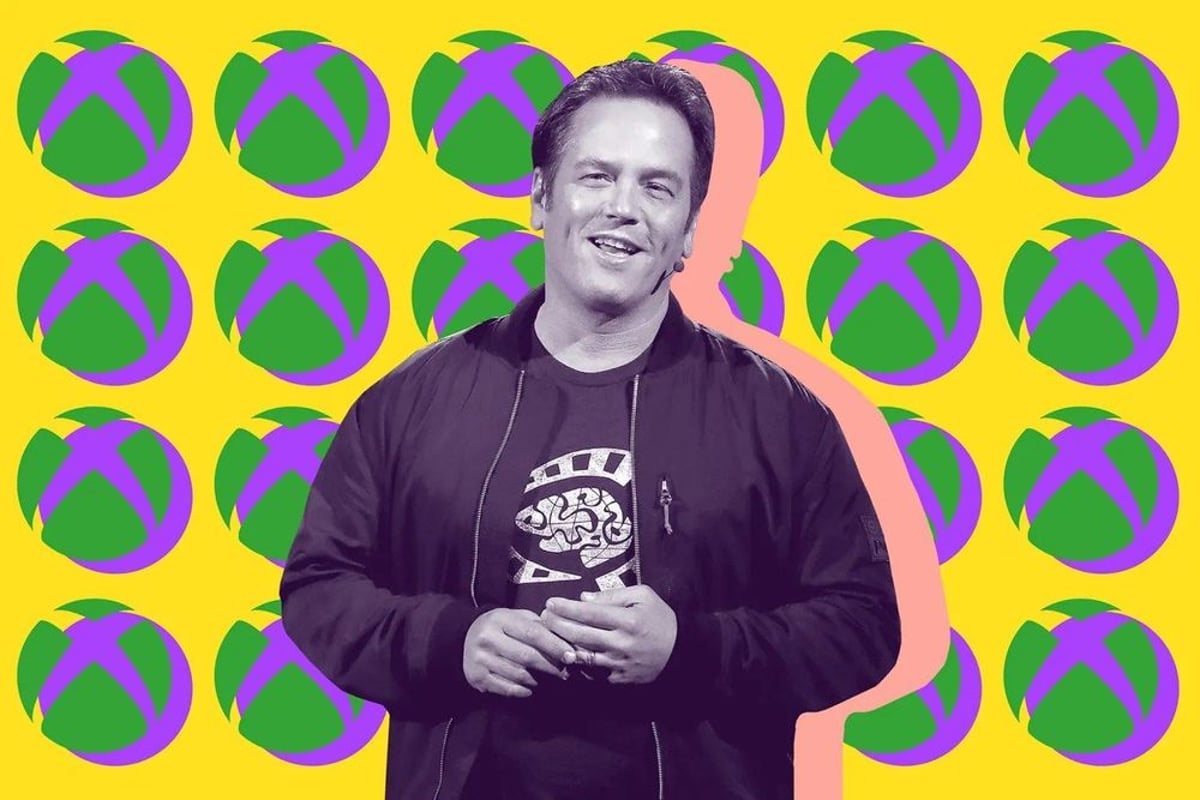
Microsoft just dropped a bombshell on the gaming industry. Phil Spencer, the face of Xbox for over a decade, is retiring after nearly 40 years at the company. But that's not all - Xbox president Sarah Bond is also leaving, and the person taking over Microsoft Gaming isn't from the gaming world at all. Asha Sharma, currently leading CoreAI product development, is stepping in as CEO of Microsoft Gaming, signaling what could be a dramatic pivot in how the tech giant approaches its gaming business.
Microsoft CEO Satya Nadella broke the news in an internal memo today that's already sending shockwaves through the gaming industry. Phil Spencer, who's been with Microsoft since 1988 and led Xbox through some of its most transformative years, is hanging up his controller. "Last year, Phil Spencer made the decision to retire from the company, and since then we've been talking about succession planning," Nadella wrote in the memo obtained by The Verge.
But here's where it gets interesting. Microsoft isn't promoting from within the gaming ranks. Instead, Asha Sharma, who's been running CoreAI product development, is taking the helm. It's a move that tells you everything about where Microsoft thinks gaming is headed. The company just spent the better part of two years fighting regulators to close its $69 billion Activision Blizzard deal, and now it's putting an AI executive in charge of the whole gaming operation.
Spencer's tenure as Xbox chief started in 2014, when the Xbox One was struggling against Sony's PlayStation 4. He turned things around by focusing on services over hardware, launching Game Pass, and pushing Xbox games onto PC and cloud platforms. Under his watch, Microsoft went on an acquisition spree that brought Bethesda, Activision Blizzard, and dozens of studios under the Xbox umbrella. The strategy shifted from winning a console war to building what Spencer called "the Netflix of gaming."
Sarah Bond's exit is equally surprising. She'd been rising through Xbox leadership, handling external partnerships and most recently serving as Xbox president. Bond was widely seen as a potential successor to Spencer and had become one of the most visible executives at Xbox events. Her departure alongside Spencer suggests this isn't just a retirement - it's a complete reset of Microsoft Gaming's leadership team.
The choice of Sharma sends a clear signal. Microsoft isn't just adding AI features to games - it's reimagining gaming through an AI-first lens. Sharma's been deeply involved in integrating AI across Microsoft's product lineup, and her appointment suggests we'll see AI assistants, procedurally generated content, and machine learning woven into Xbox experiences in ways that go far beyond current implementations.
Timing matters here. The gaming industry is at a crossroads, with traditional console sales plateauing while cloud gaming and AI-generated content promise to reshape how games are made and played. Sony and Nintendo are watching closely - if Microsoft successfully merges its AI capabilities with gaming, it could leapfrog competitors who've been ahead in hardware sales but behind in AI development.
Industry analysts are already speculating about what this means for Xbox's hardware future. Spencer had been adamant that Microsoft would continue making consoles, but with an AI executive at the top, the focus could shift even more dramatically toward cloud gaming and AI-powered game development tools. Game Pass, which now has tens of millions of subscribers, becomes an even more crucial platform for deploying AI features at scale.
Spencer's legacy is complicated. He saved Xbox from potential extinction after the Xbox One's disastrous launch, but the company still trails Sony in console sales. What he did accomplish was transforming Xbox from a hardware business into a services empire. Whether Sharma can build on that foundation while integrating AI in ways that actually enhance gaming - rather than just checking a corporate buzzword box - remains the billion-dollar question.
The departures also raise questions about Microsoft's broader gaming strategy. The company's been making Xbox games available on PlayStation and Nintendo platforms, a move that would've been unthinkable before Spencer's tenure. With Sharma taking over, will Microsoft go even further in making Xbox a platform-agnostic service? Or will AI capabilities become the new competitive moat, replacing exclusive games as the reason to stay in Microsoft's gaming ecosystem?
Spencer's retirement closes a chapter that saw Xbox evolve from a struggling console brand into a gaming services giant. But Sharma's appointment isn't just about succession - it's Microsoft betting that AI will define gaming's next decade. Whether that bet pays off depends on whether AI can enhance games in meaningful ways, or if this becomes another case of tech industry buzzwords overtaking substance. For now, the gaming world is watching to see if an AI executive can speak the language of gamers, or if Microsoft just made a massive miscalculation about what its gaming business really needs.