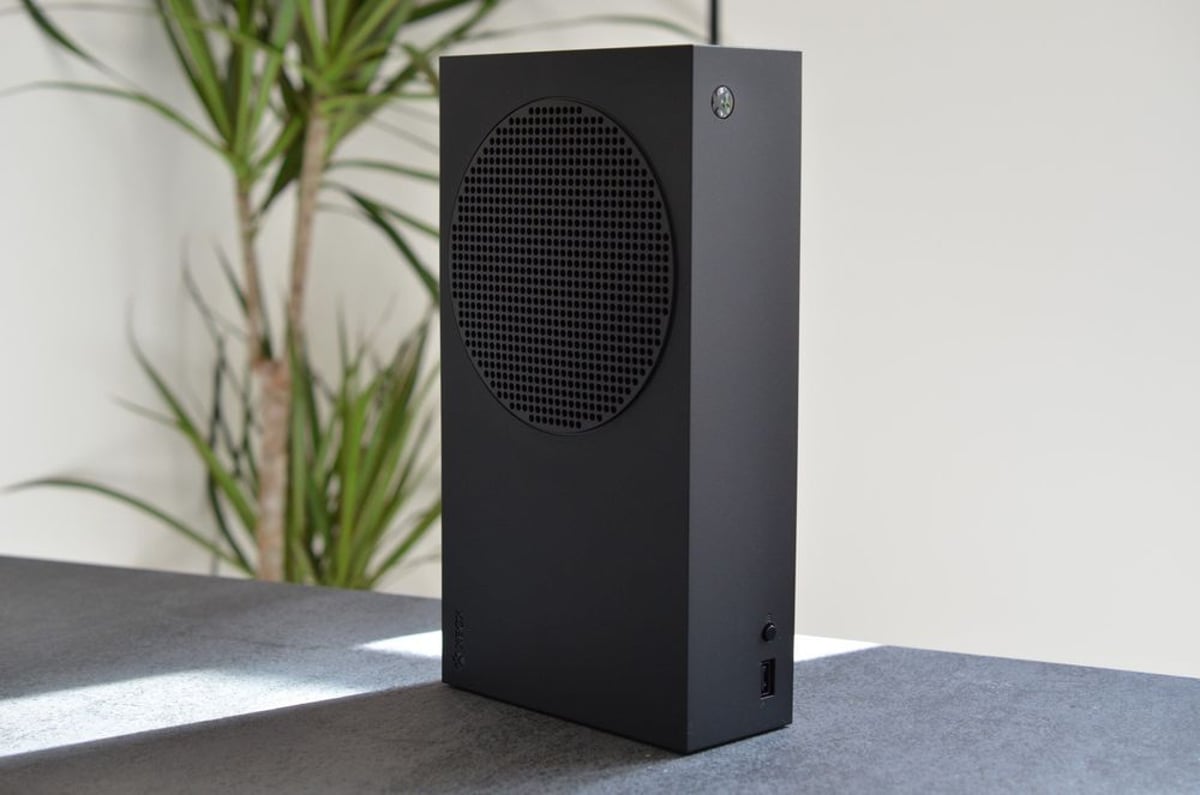
Microsoft just dropped a pricing bombshell on European gamers. The company revealed dramatic Xbox price increases for the EU and UK, with some models jumping over 43% - the steepest console price hike in recent memory. The 512GB Xbox Series S will now cost £429.99/€499.99, up from £299.99/€349.99, while the flagship 1TB Series X climbs to £669.99/€799.99 from £499.99/€599.99. The culprit? Soaring RAM and storage costs as the AI industry hoovers up semiconductor supply.
Microsoft just made gaming significantly more expensive for Europeans. After revealing US Xbox price increases back in June, the company finally disclosed the EU and UK pricing - and it's brutal. The numbers represent some of the most aggressive console price hikes the industry has seen, with increases ranging from 30% to over 43% depending on the model.
The 512GB Xbox Series S is taking the biggest hit percentage-wise, jumping from £299.99/€349.99 to £429.99/€499.99. That's a £130/€150 increase that pushes what was meant to be the budget-friendly option into mid-tier console territory. The 1TB Xbox Series X with a disc drive climbs from £499.99/€599.99 to £669.99/€799.99 - a £170/€200 increase that now positions it above many premium gaming devices.
According to reporting from ResetEra forums where the pricing was first spotted, the increases caught the gaming community completely off guard. While Microsoft had telegraphed US adjustments, no one expected European pricing to diverge this dramatically.
The root cause isn't mysterious - it's the same AI boom that's reshaping the entire tech landscape. RAM and storage component prices have skyrocketed as companies like Nvidia, OpenAI, and hyperscalers race to build massive AI infrastructure. Every high-bandwidth memory chip that goes into an H100 GPU cluster is one less available for consumer devices. Microsoft acknowledged this dynamic when announcing the initial price bumps in June, citing memory shortages as the primary driver.
But Xbox isn't alone in feeling the squeeze. Sony's PlayStation 5 has seen modest regional price adjustments over the past year, though nothing approaching Microsoft's current increases. Nintendo Switch pricing has remained relatively stable, partly because it uses older, less memory-intensive components. The difference is that Xbox Series X and S both rely on high-speed GDDR6 memory and NVMe storage - exactly the components in shortest supply.
The timing couldn't be worse for Microsoft's gaming ambitions. The company has been pushing its Game Pass subscription service hard, positioning Xbox as the affordable entry point into a Netflix-style gaming ecosystem. These price increases fundamentally undermine that value proposition, potentially pushing budget-conscious gamers toward PC gaming or sticking with older console generations.
European gamers are already expressing frustration on social media, with many pointing out that €799.99 for the Series X now exceeds the launch prices of previous premium consoles. Some are questioning whether Microsoft will see significant demand at these price points, especially with no major exclusive titles announced for the immediate future.
The increases also highlight how AI's economic ripples are spreading far beyond the data center. When Meta, Google, and Amazon are competing to secure memory supply for training runs, consumer products become collateral damage. The semiconductor industry is scrambling to add capacity, but new fabs take years to come online - meaning these supply constraints could persist well into 2027.
For Microsoft, the calculation appears straightforward: maintain margins or exit the hardware business entirely. The company has repeatedly stated that Xbox consoles are sold at or near cost, with profits coming from software and services. If component costs spike 30-40%, passing those increases to consumers becomes the only viable option. The alternative would be subsidizing hardware losses that could run into hundreds of millions annually.
What remains unclear is whether competitors will follow Microsoft's lead. If Sony announces similar PlayStation 5 price increases, it signals a new normal for console economics. If they absorb the costs instead, Microsoft could find itself severely disadvantaged on price - the one area where Xbox traditionally competed effectively against PlayStation's stronger exclusive lineup.
Microsoft's decision to push Xbox prices up by as much as 43% in Europe marks a watershed moment for the gaming industry. It's the clearest signal yet that AI's insatiable appetite for computing components is reshaping consumer electronics economics in real time. For gamers, it means either paying significantly more for the same hardware or waiting out a supply crunch that shows no signs of easing. The bigger question is whether this represents a temporary spike or the beginning of a permanent repricing across the entire console market as AI and consumer tech compete for the same limited semiconductor resources.