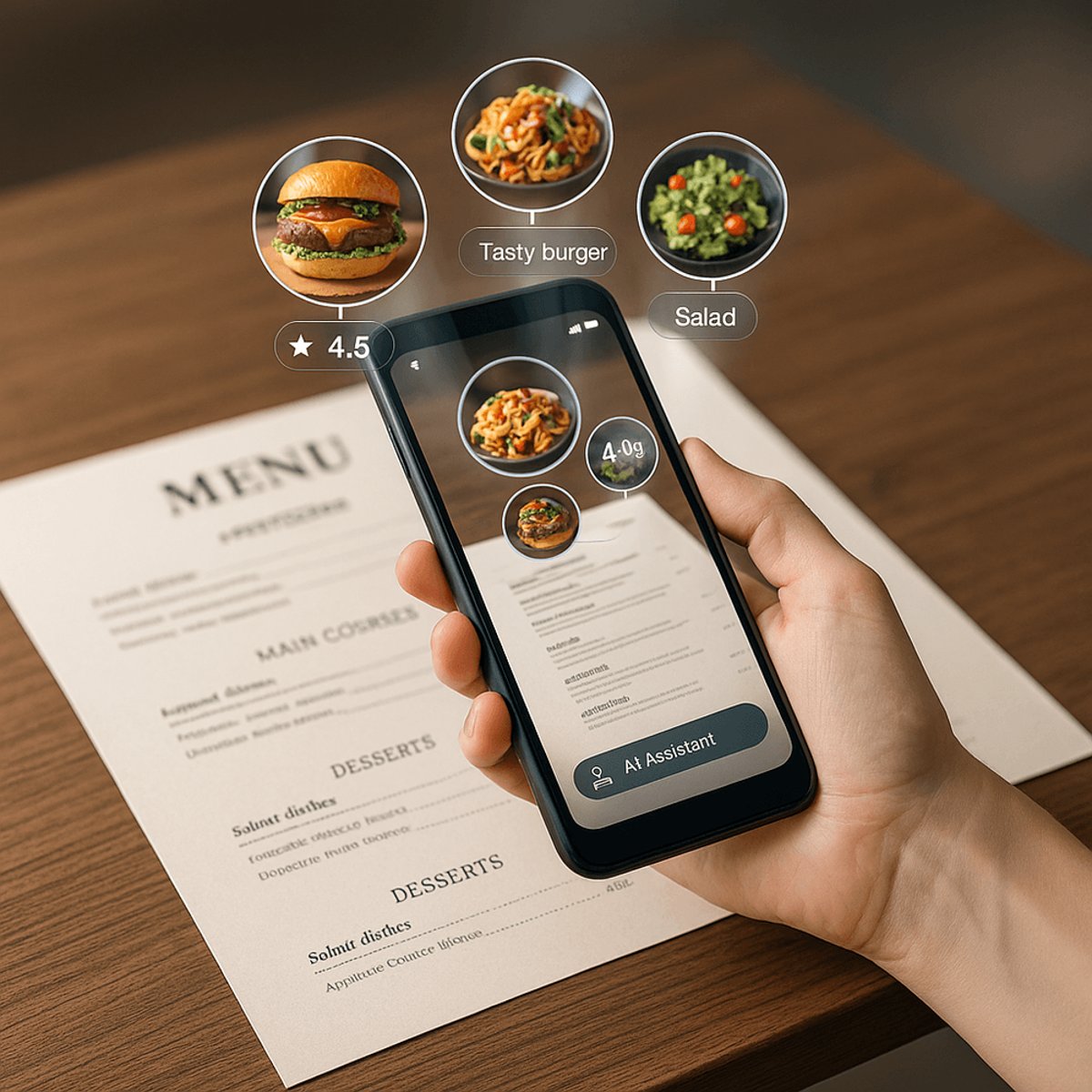
Yelp just turned your phone into a restaurant detective. The company's rolling out AI-powered menu scanning that overlays photos and reviews directly onto physical menus, plus a smarter voice assistant that remembers your preferences. It's the kind of practical AI that actually solves dinner decisions instead of just promising to.
Yelp is betting that the future of restaurant discovery isn't just about finding places - it's about understanding what you'll actually eat when you get there. The company's Tuesday rollout puts AI image recognition directly into diners' hands, letting them scan any physical menu and instantly see photos of dishes along with what other customers actually thought about them.
The menu scanning feature works through Yelp's mobile app camera. Point your phone at a restaurant menu, and overlay bubbles appear on screen over different dishes. Tap any bubble to see user-uploaded photos of that specific item plus relevant review snippets. It's the kind of practical AI application that makes you wonder why it took this long to exist.
This builds on Yelp's AI assistant launch from last year, but the scope is expanding rapidly. What started as a tool for connecting with services now covers restaurants, bars, local attractions, and retailers. The assistant pulls from business pages, websites, reviews, and photos to answer questions like what animals you might see at a specific zoo or whether a bar has outdoor seating.
The company's also making the AI assistant smarter about remembering your preferences. If you're always asking about pet-friendly restaurants or looking for specific types of haircuts, the system will start tailoring recommendations based on your history. Yelp is displaying pre-written questions on business pages based on frequently asked questions, so you don't have to type everything from scratch.
Search itself is getting more conversational too. Users can now type questions in everyday language directly into the search box, and the app supports these queries through voice search. It's Yelp's response to the rise of chat-style search tools like ChatGPT and Perplexity, which have pushed established players like Google to add similar features to their search and Maps products.
Beyond the headline menu scanning feature, Yelp is expanding its "popular items" highlighting beyond just restaurant dishes and bar drinks. The feature now covers more than 100 business categories, showing the most mentioned services at salons, auto shops, clothing stores, and other local businesses. You'll see popular haircuts at salons or frequently requested repairs at auto shops right on the business page.
The company's also rolling out AI-powered voice agents that businesses can actually use. The AI host handles restaurant bookings, answers questions, manages special requests, and changes reservations. For service businesses, the AI receptionist gathers project details, qualifies leads, and sends call summaries to the business's Yelp inbox. Companies like Square and Kea are building similar AI voice solutions, suggesting this is becoming table stakes for local business platforms.
Additional features in this fall release include AI-generated videos that compile user photos with narrated information about restaurants and bars, expanded video uploads from 10 to 30 seconds, visual summaries using photos and videos, and grouped before-and-after photos for service businesses. There's also a new section for planning future projects, turning Yelp into more of a planning platform than just a review site.
The timing isn't coincidental. As AI reshapes how people search for information, local discovery platforms face pressure to evolve beyond static listings and star ratings. The menu scanning feature addresses a real pain point - you can read all the reviews you want, but sometimes you just need to see what the pasta actually looks like before ordering it.
Yelp's AI push represents the practical evolution of local discovery - moving from "where should I go" to "what should I order when I get there." The menu scanning feature alone could change how people make dining decisions, while the expanded AI assistant capabilities position Yelp as more than just a review platform. As conversational search becomes the norm, these visual and voice-powered features give Yelp ammunition to compete with Google's local search dominance. The real test will be adoption - whether diners actually pull out their phones to scan menus, and whether the AI recommendations prove more useful than traditional reviews.