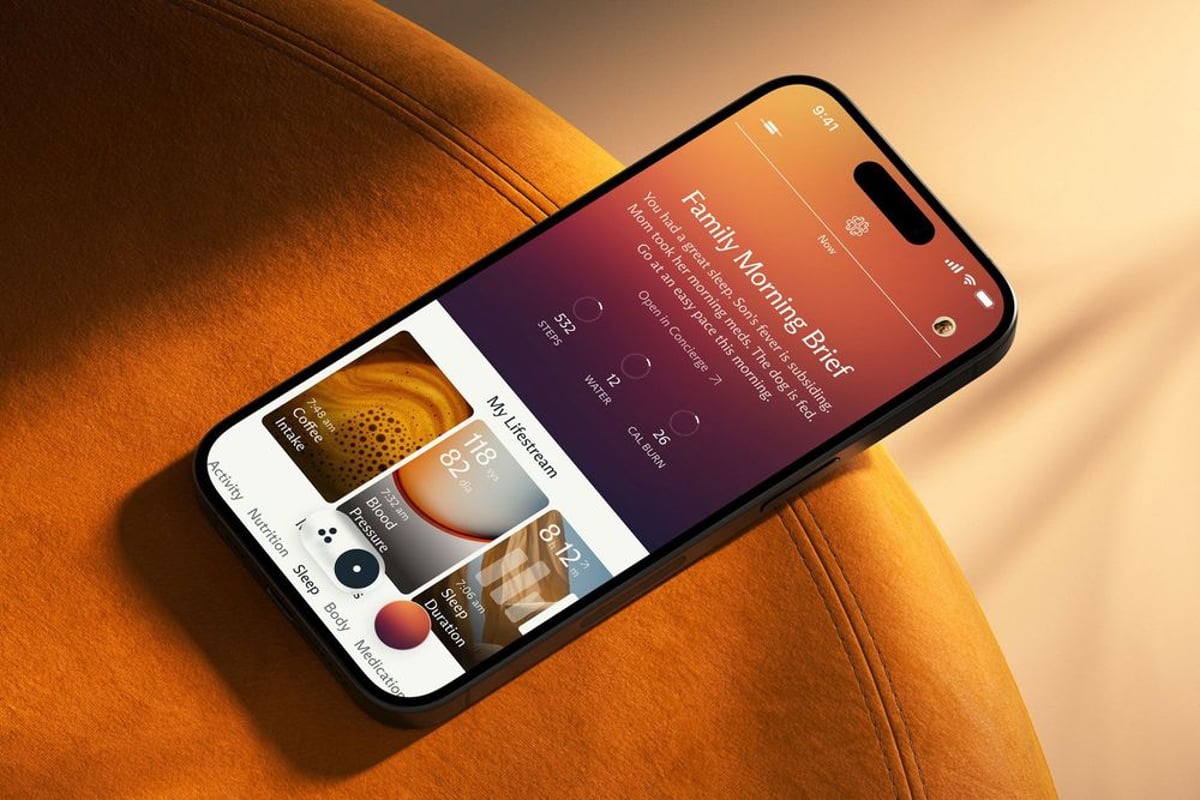
The co-founders who turned Fitbit into a wearables giant are back with a new mission. James Park and Eric Friedman just unveiled Luffu, an AI-powered family health platform that aggregates medical data from connected devices, manual inputs, and apps like Apple Health to provide personalized insights and proactive alerts. The startup marks the duo's first major move since departing Google in 2024 and signals their bet that AI can solve what wearables couldn't - making sense of fragmented family health information.
Two years after walking away from Google, the founders who built Fitbit from a startup into a $2.1 billion acquisition are making their next play. James Park and Eric Friedman just pulled back the curtain on Luffu, a platform that uses AI to tackle one of healthcare's messiest problems - scattered family health information spread across incompatible apps, devices, and handwritten notes.
The timing couldn't be more pointed. While Google continues to struggle with integrating Fitbit into its ecosystem, Park and Friedman are building what they believe Fitbit should have evolved into: an AI-first health intelligence system. According to the official announcement, Luffu doesn't just track steps or heart rate. It pulls health data from connected devices, platforms like Apple Health and yes, even Fitbit, then layers on information family members share through voice prompts, text messages, or photos.
What makes Luffu different is the AI working behind the scenes. The system automatically extracts and organizes medical details - medication schedules, dietary changes, sleep patterns, symptoms - without forcing users to manually log everything. But the platform goes beyond passive data collection. Users can ask Luffu specific questions like "How might changing Dad's diet affect his sleep quality?" or "Did Mom take her blood pressure medication this morning?" and get personalized answers drawn from that family member's aggregated health profile.
The proactive monitoring capabilities signal where Park and Friedman see the real value. Luffu's AI continuously watches for pattern changes and flags potential issues before they escalate. Miss a medication? The system alerts caregivers. Notice unusual sleep disruption or vital sign fluctuations that could indicate developing health problems? Luffu surfaces those insights without waiting for someone to ask.
For caregivers managing aging parents or children with chronic conditions, that kind of unified view solves a genuine pain point. Today's reality involves juggling multiple apps, remembering which device tracks what, and trying to recall medication histories during emergency room visits. Luffu consolidates all of that into a single interface that can answer a doctor's questions on the spot.
The platform is currently in private testing, with interested users able to join a waitlist through the company's website. The initial release focuses on a mobile app, but Park and Friedman have bigger ambitions. According to The Verge's coverage, the startup plans to eventually expand into "complementary hardware devices" - a natural evolution given the founders' wearables pedigree.
That hardware hint raises questions about what lessons Park and Friedman learned from Fitbit's trajectory. The wearables pioneer dominated the fitness tracking market but struggled to break into serious health monitoring before Google's acquisition. Now free from corporate constraints, the duo appears to be positioning Luffu at the intersection of consumer health tech and clinical-grade monitoring, with AI as the connective tissue.
The competitive landscape has shifted dramatically since Fitbit's early days. Apple Watch now offers FDA-cleared features like ECG and fall detection. Google's own health initiatives span Fitbit integration, AI-powered medical imaging, and partnerships with healthcare systems. Startups like Oura and Whoop target serious health enthusiasts willing to pay subscription fees for deeper insights.
Luffu's family-focused angle could be the differentiation Park and Friedman need. Rather than competing directly with wearables or trying to replace doctor visits, they're targeting the coordination problem that frustrates both patients and healthcare providers. The AI layer promises to make that coordination effortless, turning fragmented data points into actionable intelligence.
Funding details and investor backing remain undisclosed, though the founders' track record and timing - launching as AI capabilities in healthcare accelerate - should attract significant interest. The question is whether consumers will trust a startup with sensitive family health data, especially one planning to deploy AI that proactively monitors and alerts on medical conditions. Privacy safeguards and clinical validation will be critical as Luffu moves from private beta to broader release.
What's certain is that Park and Friedman aren't interested in building Fitbit 2.0. They're betting that the next evolution in consumer health tech isn't better sensors or more accurate tracking, but AI that actually understands what all that data means for your family's wellbeing.
Park and Friedman's return to the health tech arena with Luffu represents more than just another founder's second act. It's a clear signal that the wearables era they helped create was just the beginning. By positioning AI as the solution to fragmented family health data, they're addressing a problem that affects millions of caregivers while potentially defining what post-wearables consumer health tech looks like. Whether Luffu can deliver on that vision while navigating privacy concerns and clinical validation requirements will determine if the Fitbit founders can lightning strike twice. For now, the healthcare AI race just got two very experienced new entrants.