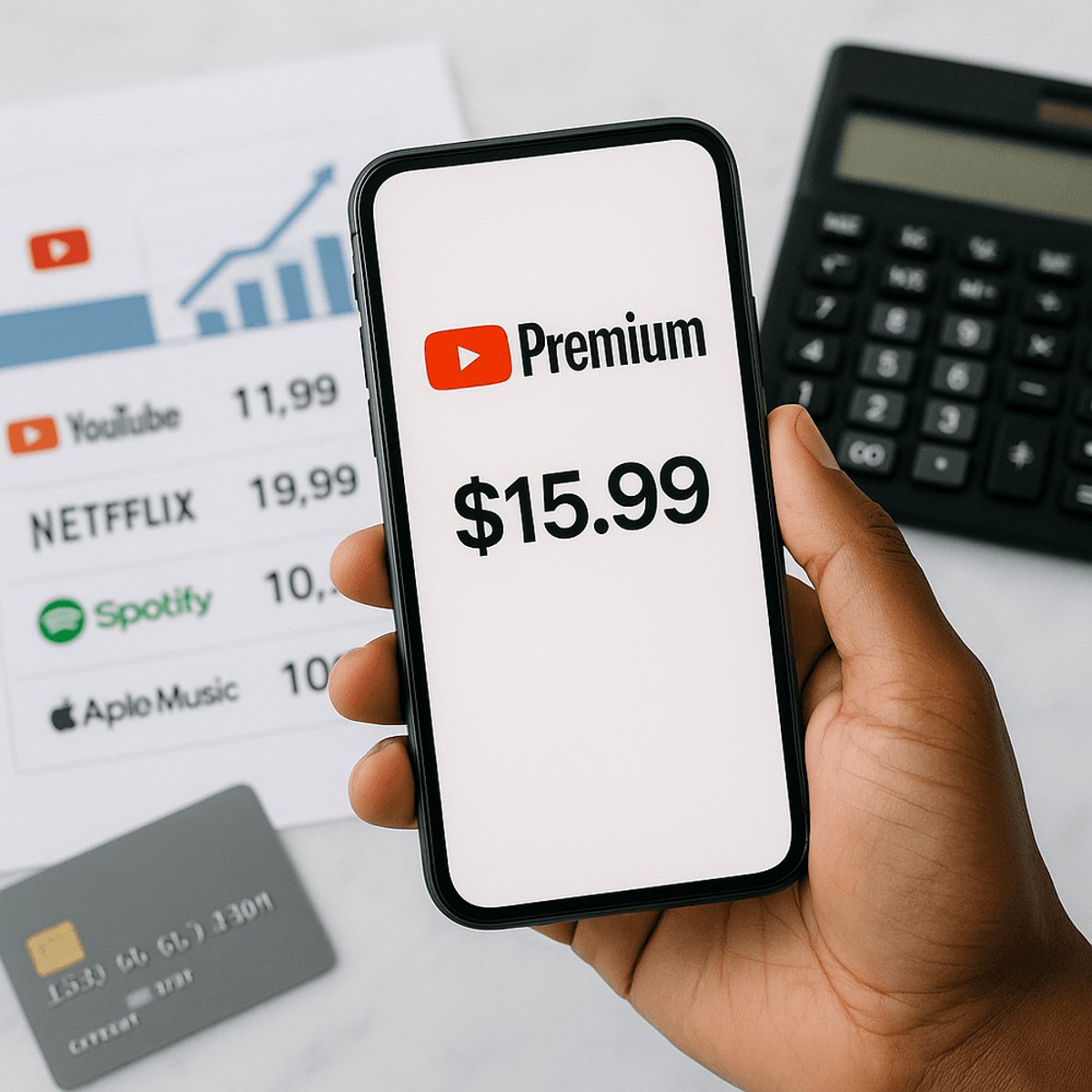
Google is raising YouTube Premium prices again, pushing the individual plan from $13.99 to $15.99 per month - a 14% increase that marks the second hike in three years. The family plan takes an even bigger hit, jumping from $22.99 to $26.99 monthly. The move comes as streaming platforms across the board test pricing limits while battling rising content costs and slowing subscriber growth, setting up what could be the industry's biggest retention test yet.
Google just made YouTube Premium a lot less affordable. The company confirmed it's raising prices across its subscription tiers, with the individual YouTube Premium plan climbing from $13.99 to $15.99 per month - a $2 increase that puts it squarely in premium streaming territory. The family plan sees an even steeper jump, going from $22.99 to $26.99 monthly.
The timing is telling. This marks YouTube's second major price increase since 2023, when the service first crossed the $13.99 threshold. Back then, Google positioned the hike as necessary to support creators and improve features. Now, just three years later, subscribers are being asked to dig deeper again - this time with less explanation about what the extra cash actually funds.
YouTube isn't alone in testing how much pain subscribers will tolerate. Netflix raised prices twice in 2024 and 2025, pushing its standard plan past $17. Spotify bumped individual subscriptions to $11.99 last year. Even Apple Music joined the parade, quietly raising rates in 2024. The pattern is clear: streaming platforms are done competing on price.
What makes YouTube's move particularly bold is its hybrid model. Unlike pure video platforms like Netflix or audio-only services like Spotify, YouTube Premium bundles ad-free viewing with YouTube Music, background playback, and downloads. That combination has helped the service cross 100 million paid subscribers globally, according to Google's last disclosed figures. But it also means the company is betting users value that bundle enough to stomach regular increases.
The pressure on streaming economics is real. Content costs keep climbing while subscriber growth slows across the industry. YouTube faces unique challenges too - it pays out billions annually to creators through ad revenue sharing and the YouTube Partner Program. Premium subscribers don't see ads, which means Google has to replace that revenue somehow. Price hikes are the obvious answer.
But there's risk here. YouTube built its empire on being free and accessible. Premium was always positioned as optional - a way to enhance the experience, not access it. At $15.99 monthly, the service now costs more than many households spend on multiple streaming platforms combined. For budget-conscious users, returning to the ad-supported version starts looking rational, especially as YouTube has simultaneously increased ad loads and frequency for free users.
Competitors are watching closely. Spotify has long struggled to convert free users to paid subscribers, with conversion rates hovering around 40%. If YouTube can push prices higher without major churn, it validates more aggressive pricing across the industry. If subscribers bail, it proves there's a ceiling - and we might be hitting it.
The family plan increase to $26.99 is particularly aggressive. That's nearly $324 annually for ad-free YouTube and music streaming across up to five accounts. Compare that to Spotify Family at $16.99 or Apple One Family at $25.95, which bundles music, TV, iCloud storage, and more. YouTube is betting its creator ecosystem and music library justify premium pricing, but families doing math might disagree.
Google hasn't announced when the new prices take effect for existing subscribers, though new signups will see the higher rates immediately according to TechCrunch. Typically, the company gives current users at least 30 days notice before billing changes.
What's missing from the announcement is any new value to justify the cost. No expanded features, no enhanced quality tiers, no additional services bundled in. Just... more expensive. That's a tough sell in an environment where consumers are actively cutting back on subscriptions. Recent surveys show the average U.S. household now juggles 4-5 paid streaming services, down from peaks of 6-7 during the pandemic.
The broader question is whether we've entered a new phase where streaming platforms stop competing and start coordinating - not explicitly, but through parallel pricing increases that all land within months of each other. If no one offers a cheaper alternative, subscribers have nowhere to flee. That works until someone decides to undercut everyone else, sparking a new price war.
For now, YouTube is testing how much its unique position is worth. It's the only platform where you can watch everything from professional music videos to niche creator content to educational tutorials, all ad-free with a music streaming service thrown in. If that's worth $16 monthly to enough people, this price hike sticks. If not, expect to see promotional discounts and bundling deals by summer.
Google's latest YouTube Premium price hike isn't just about squeezing more revenue from subscribers - it's a test of market tolerance across the entire streaming industry. At $15.99 for individuals and $26.99 for families, YouTube is betting its unique blend of creator content and music streaming justifies premium pricing power. But with economic pressure mounting and subscription fatigue real, this could be where platforms discover they've finally pushed too far. The next few months of subscriber retention data will tell the real story.