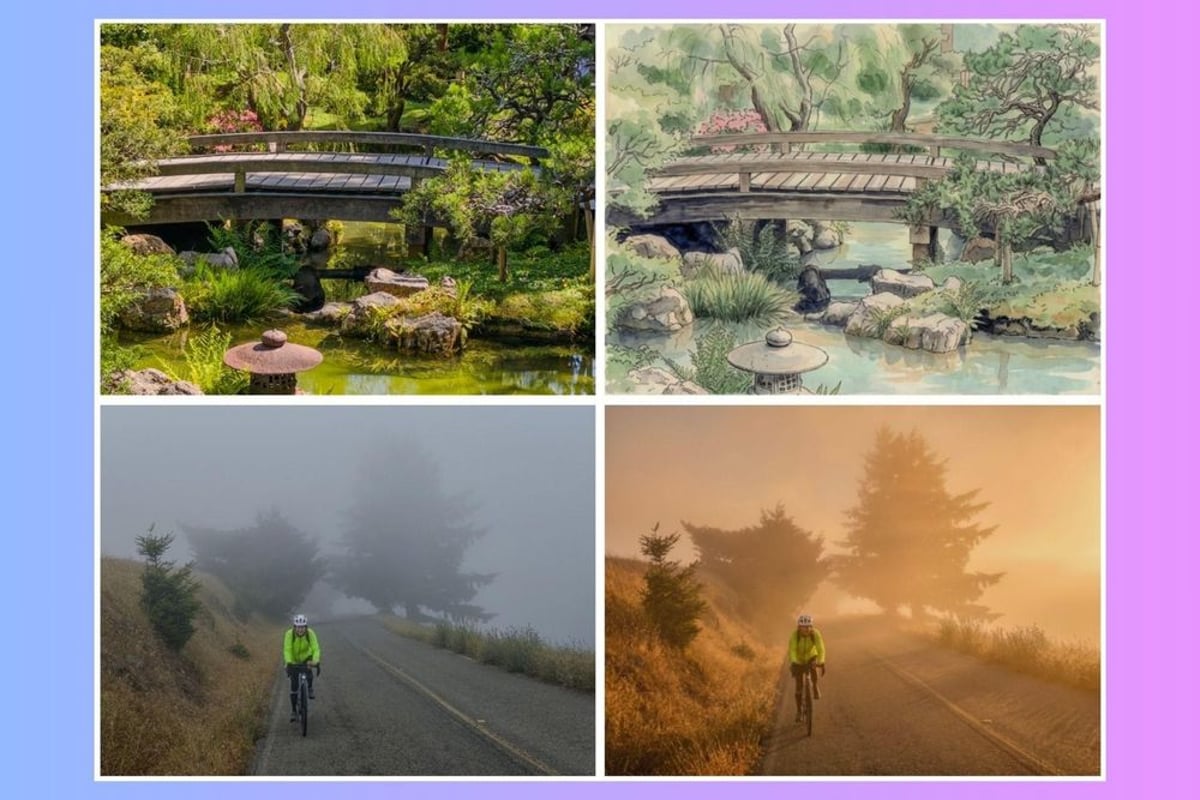
Adobe just made a sharp U-turn with its experimental camera app. Project Indigo, launched last year as a back-to-basics iPhone photography tool promising an "SLR-like" natural look, is now rolling out a suite of generative AI editing tools called AI Playground. The twist? Adobe's skipping its own Firefly AI models in favor of third-party technology, reigniting the industry's heated debate over what constitutes authentic photography in an AI-saturated world.
Adobe is making waves with an unexpected pivot. The company's Project Indigo, an experimental camera app that debuted last year with a promise to deliver more natural, SLR-quality photos on iPhone, is now embracing the very AI tools it seemed designed to escape. According to The Verge, the app's new AI Playground feature suite brings generative editing capabilities directly into the shooting workflow.
What makes this particularly interesting is Adobe's decision to lean on third-party AI models rather than its own Firefly technology. For a company that's invested heavily in building proprietary AI tools trained on licensed content, the choice signals either a pragmatic acknowledgment of competitive gaps or a willingness to experiment beyond its own ecosystem. Adobe hasn't disclosed which third-party models power the new features, leaving industry watchers to speculate about partnerships with players like OpenAI or Stability AI.
The rollout is being handled cautiously. Adobe describes AI Playground as an experiment, and the company's making it optional with a dedicated opt-out button that lets users continue with Indigo's original natural photography approach. Free access without any sign-in requirement is currently being tested with a limited subset of Indigo users, with broader availability expected over the next few weeks. "Our goal is to learn how people" interact with AI-enhanced mobile photography, Adobe notes, though the full statement wasn't included in initial reporting.
This move lands Adobe right in the middle of photography's most contentious debate. The question of "what is a photo" has exploded since generative AI tools made it trivially easy to add, remove, or transform elements in images. Apple faced backlash earlier this year when its iPhone camera started automatically applying computational photography techniques that some purists argued crossed the line from enhancement to manipulation. Google has been wrestling with similar criticism over its Magic Eraser and Best Take features in Pixel phones.
For Adobe, the stakes are particularly high. The company built its creative empire on tools like Photoshop that professionals trusted for precise, controllable editing. But as AI democratizes advanced editing capabilities, Adobe risks losing ground to nimbler competitors like Canva, which has aggressively integrated AI features into its platform, or specialized AI photo editors like Lensa AI that captured mainstream attention with viral AI portrait features.
The mobile photography market is especially crowded. Apps like Halide and ProCamera have carved out niches by offering manual controls and RAW shooting capabilities that appeal to enthusiasts. On the other end, social platforms like Instagram and TikTok have normalized heavy AI filtering and augmented reality effects. Indigo's original pitch - natural, film-like iPhone photos - felt like a counter-trend bet on authenticity fatigue.
Now, with AI Playground, Adobe seems to be hedging that bet. The company's approach mirrors broader industry uncertainty about whether consumers want AI everywhere or are craving a return to simpler, more authentic creation tools. Recent data suggests the answer is "both," with different user segments pulling in opposite directions. Younger creators raised on filters and effects expect AI enhancement as a baseline feature, while photography enthusiasts and professionals often view aggressive AI processing as antithetical to their craft.
The use of third-party models also raises questions about Adobe's content credentials initiative. The company has been pushing Content Credentials, a digital watermarking system that tracks an image's creation and editing history, as a solution to AI-generated content concerns. But integrating third-party AI that Adobe doesn't control complicates that transparency mission. It's unclear whether AI Playground edits will be fully documented in Content Credentials metadata or how Adobe will handle attribution when the underlying models aren't its own.
Competitors are watching closely. Lightroom already includes Firefly-powered generative AI features, but those tools target serious photographers editing on desktop or tablet. Bringing similar capabilities to a mobile camera app - even an experimental one - suggests Adobe is testing whether casual iPhone shooters want AI in the moment of capture, not just during post-processing. If the experiment succeeds, expect similar features to migrate into Adobe's mainstream mobile apps.
The timing is also notable. Adobe's been under pressure from investors to demonstrate that its AI investments are driving user engagement and revenue growth, not just generating headlines. Mobile represents a crucial battleground where Adobe has historically struggled to match its desktop dominance. A successful AI-powered camera app could give Adobe a foothold in the lucrative mobile creative market and provide valuable data on how consumers actually want to use generative AI in photography workflows.
Adobe's Indigo pivot crystallizes the creative software industry's central tension: do users want powerful AI tools that can transform their work, or do they want simpler tools that respect original intent? By building an opt-out and testing with a limited audience, Adobe's being smart about not alienating photography purists. But the real experiment isn't just about feature adoption - it's about whether Adobe can define a middle path between AI maximalism and authenticity that resonates with mobile creators. The company's willingness to use third-party models suggests it's prioritizing user experience over ecosystem lock-in, at least for now. How this experiment performs could reshape Adobe's entire mobile strategy and influence how the broader industry thinks about AI in consumer photography apps.