Amazon is betting big on AI-powered hardware today, unveiling a fresh device lineup at its first fall event since 2023. The timing is critical - the company's premium Alexa+ assistant has drawn mixed reviews since launching at $19.99 monthly, with users reporting functionality downgrades despite the AI upgrade. With over 600 million Alexa devices worldwide, Amazon needs this refresh to compete against OpenAI's ChatGPT and Google's Gemini in the AI assistant wars.
Amazon just broke its own tradition, and the stakes couldn't be higher. The company's hosting its first fall device showcase since 2023, with Panos Panay taking the stage at 10 a.m. ET to unveil what CEO Andy Jassy promised would be a "brand new lineup of devices" compatible with the company's AI-powered Alexa+.
But there's a problem brewing in Amazon's AI ambitions. Since launching Alexa+ earlier this year, user feedback has been surprisingly harsh for a company that built its reputation on customer obsession. Jeff Finlay, an IT manager from Ohio with seven Echo devices, got beta access in June and his verdict is blunt: Alexa+ has "worsened some of the functions I was used to using it for."
The weather forecast feature - a basic Alexa staple - apparently delivers less useful information than the original "Big Sky" system. That's not exactly the AI revolution Amazon promised when it charged users $19.99 monthly for the privilege (though Prime members get it free with their $139 annual subscription).
Industry reviewers echo Finlay's concerns. Wired praised the more natural conversational abilities - "a relief after years of Alexa's robotic tones" - but TechCrunch was less forgiving, calling it "very much like a beta product" prone to mistakes and stumbles.
The timing pressure is intense. While Amazon charges for AI assistance, users can access OpenAI's ChatGPT and Google's Gemini for free. Meta is pushing its Ray-Ban smart glasses powered by Llama AI, creating a three-way battle for the AI assistant crown that Amazon helped create but no longer dominates.
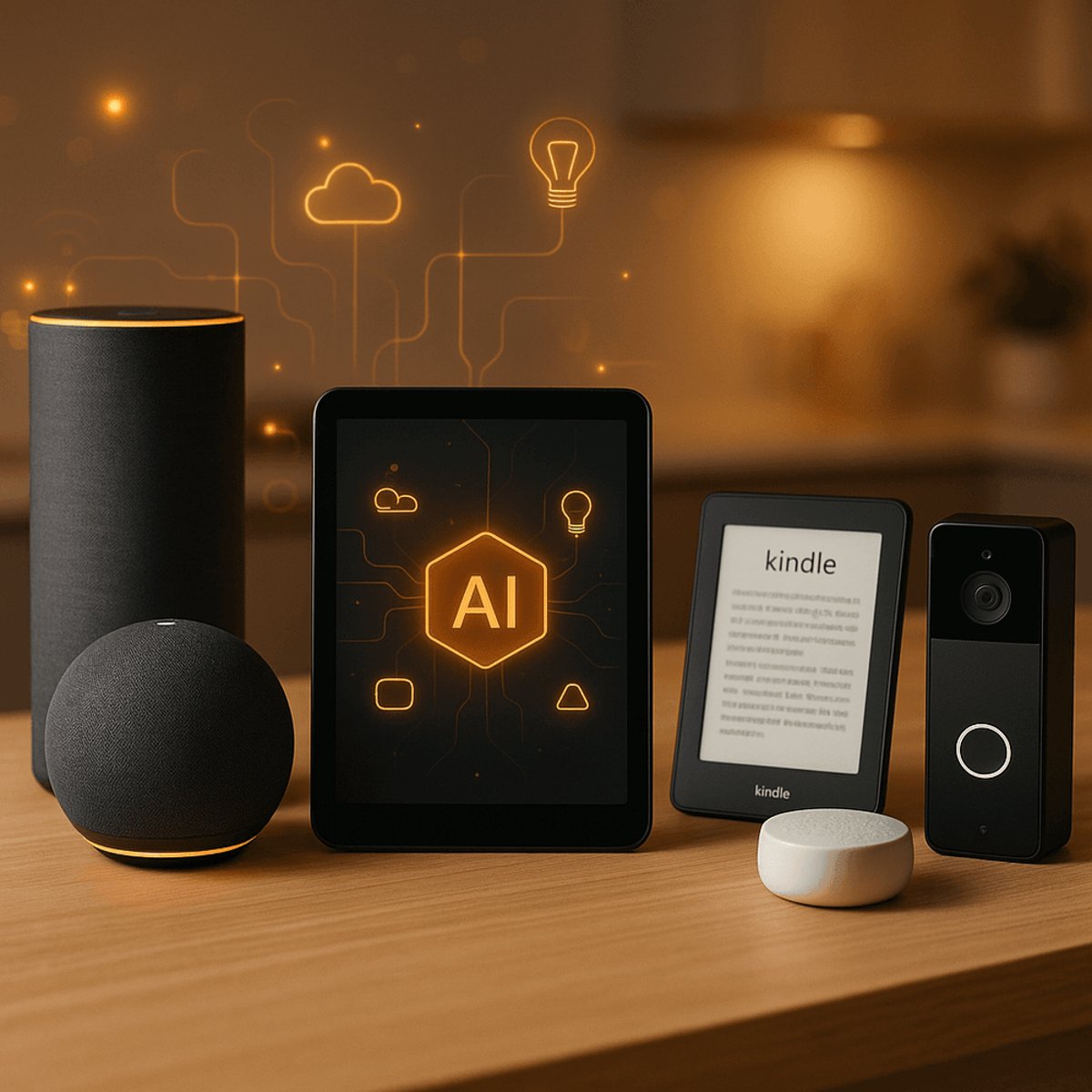
Today's event invite showed glimpses of Echo speakers, Fire TV devices, Ring doorbells, and Kindle e-readers - suggesting Amazon is betting on hardware integration rather than just software improvements. With over 600 million Alexa devices sold globally (including third-party products), the installed base gives Amazon a massive advantage if it can nail the AI experience.
The company has been quietly expanding beyond voice assistants. In July, Amazon confirmed it's acquiring AI wearables startup Bee, which makes wristbands that record and transcribe conversations. The move signals ambitions for ambient AI computing that goes far beyond smart speakers.
Amazon has also rolled generative AI into Ring security products, creating an ecosystem where AI touches every corner of the smart home. But the Alexa+ struggles show that adding AI isn't automatically an upgrade - sometimes it's a step backward for core functionality users actually depend on.
The million-plus users currently testing Alexa+ represent both validation and warning. Amazon has engagement, but not satisfaction. Today's hardware refresh needs to prove that AI enhancement actually enhances rather than complicates the user experience.
Analysts are watching whether Amazon can justify premium pricing in a market where Google and OpenAI offer comparable (or superior) AI capabilities for free. The company skipped its traditional fall 2024 event to focus on the February Alexa+ launch - today marks its return to the spotlight with everything to prove.
Amazon's device event today represents a crucial inflection point for the company's AI strategy. With Alexa+ struggling to justify its premium pricing and users reporting actual functionality downgrades, the new hardware lineup needs to prove that AI integration enhances rather than complicates the smart home experience. The competition from free AI assistants like ChatGPT and Google Gemini intensifies the pressure, while Amazon's 600 million device installed base offers both opportunity and obligation to get this right. Success could cement Amazon's leadership in ambient computing; failure might hand the AI assistant crown to rivals who never charged users for the privilege of beta testing their products.