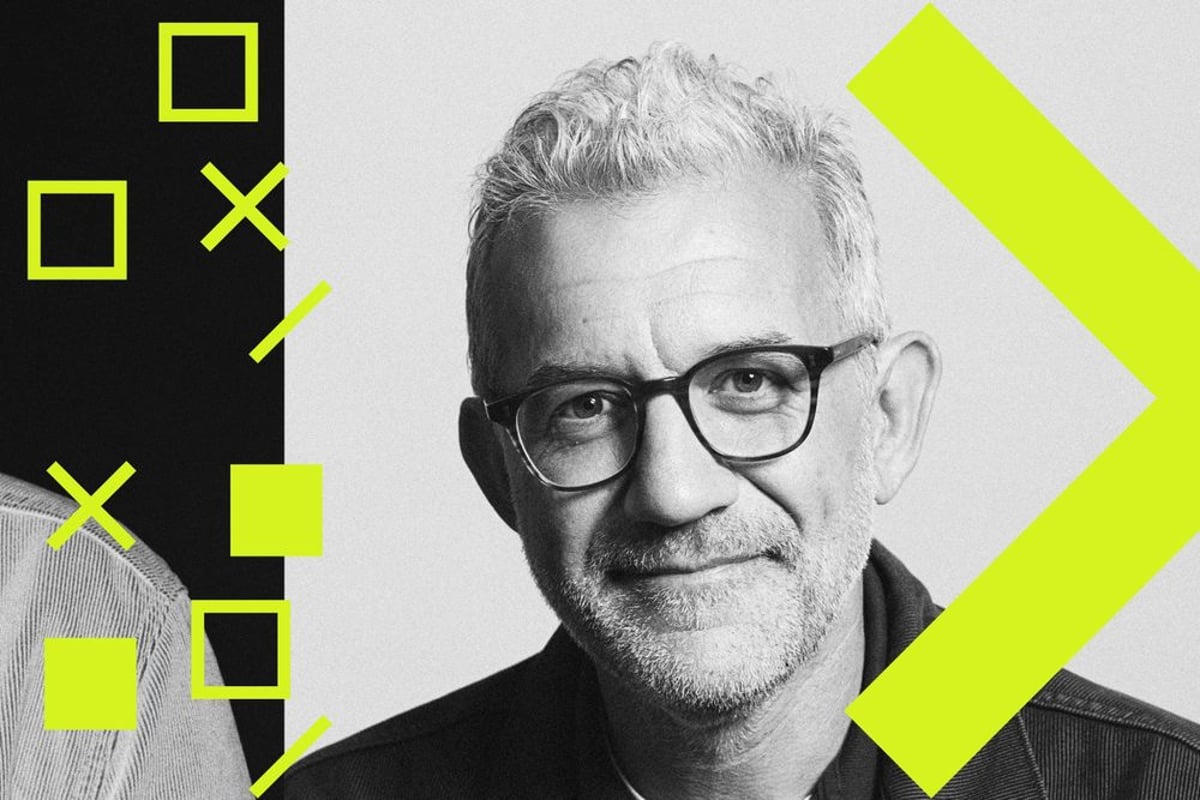
A year after taking the permanent CEO seat at Sonos, Tom Conrad is ready to cash in his chips. In a wide-ranging interview on The Verge's Decoder podcast, Conrad laid out Sonos 27, a newly named software platform, MCP support for outside AI assistants, and fresh hardware, marking the company's clearest bid yet to move past its 2024 app disaster.
Sonos just told the world it's done apologizing and ready to build again. CEO Tom Conrad, who took the interim job in January 2025 after the company's catastrophic app redesign and became permanent CEO six months later, used a lengthy sit-down on The Verge's Decoder podcast to unveil the company's next chapter: a software platform called Sonos 27, an underlying architecture dubbed Sonos Fabric, and a new generative voice assistant built to finally sound like a normal conversation instead of a guessing game.
Conrad didn't shy away from the mess that got him here. "The app shipped, and the feedback was immediately and intensely negative," he told Decoder host Nilay Patel, recounting speakers that stopped working mid-wedding and a board that eventually decided predecessor Patrick Spence had to go. Conrad, who had sat on Sonos's board since 2016 and helped bring Pandora onto the platform back in 2007, stepped in as interim CEO almost by accident. "At no point in the decade leading up to that day in January did I imagine that I might end up the CEO of Sonos," he said.
Once in the permanent seat, Conrad moved fast. Within three weeks he scrapped the company's divisional structure, which had split teams by product category like home theater and portables, and rebuilt around functional groups for hardware, software and supply chain. "The idea that your portables team sits far away from your home theater team... is almost surely going to run counter to the kind of progress you're trying to motivate," he explained. The company now runs about 1,500 people under that model.
One of the clearest signals of the new strategy was killing Pinewood, an internally developed set-top box that would have pitted Sonos against Roku in the streaming hardware business, a decision first reported by Bloomberg. "We were spread too thin across too many things," Conrad said, arguing the company needed to refocus on what makes it different: the "systemness" of its audio experience rather than chasing adjacent hardware categories.
That refocusing is exactly what Sonos 27 represents. For twenty years, Sonos named its hardware (Roam, Arc, Beam, Era) but never the software binding it together. Now it has a name and, crucially, a yearly cadence that echoes Apple's OS naming convention. "We wanted people to understand that it improved over time," Conrad said, adding that most features will roll out through an opt-in early access program rather than one giant annual drop.
The most consequential piece might be MCP support, the protocol that lets outside AI systems talk directly to Sonos hardware. With Sonos 27, the company will appear inside OpenAI's ChatGPT, Anthropic's Claude, Google's Gemini, and Grok as a connectable service, the same way Slack or a calendar might show up. Conrad also previewed "Custom Agents," a technology preview that lets users assign different AI personalities, voiced by different inference engines, to live inside the Sonos ecosystem simultaneously. "It's super fun. It's super creative," Conrad said, envisioning a record-store-geek persona alongside a cooking advisor powered by a completely different model.
Still unresolved is Sonos's relationship with Google. An ongoing patent lawsuit has kept Gemini for Home off Sonos devices for years, something Patel pressed Conrad on directly as a frustrated customer. Conrad insisted the companies maintain a "strong relationship... despite the lawsuit," pointing to YouTube Music's popularity on the platform, but offered no timeline for a fix. Meanwhile, work with Amazon to bring Alexa+ to Sonos hardware continues, though Conrad had "nothing to announce today."
On the hardware side, Sonos is shipping a new 7.1.2 Atmos soundbar called Beam Ultra and Ace Ultra headphones built on a new Headphone Engine 2 platform, which lets audio jump seamlessly from a speaker to headphones with the press of a button, no Bluetooth pairing required. Conrad called it "the one job that we had and didn't deliver on with" the original Sonos Ace.
All of it ships around a New York event where Sonos plans to formally introduce Sonos OS 27, Sonos Voice 27, and the new hardware to the public, with software features arriving gradually through the rest of the year.
For Sonos, Sonos 27 isn't just a rebrand, it's an attempt to redefine what the company sells: not individual speakers, but a system that agentic AI can plug into from any direction. Whether that bet pays off depends on things largely outside Conrad's control, like whether Google ever settles its lawsuit, whether Amazon's Alexa+ integration actually ships, and whether customers embrace yet another voice assistant after years of first-generation disappointments. But after the app crisis nearly capsized the brand, Sonos is at least moving with intention again, and readers who've been burned before should watch the early access rollout closely before trusting the next big promise.