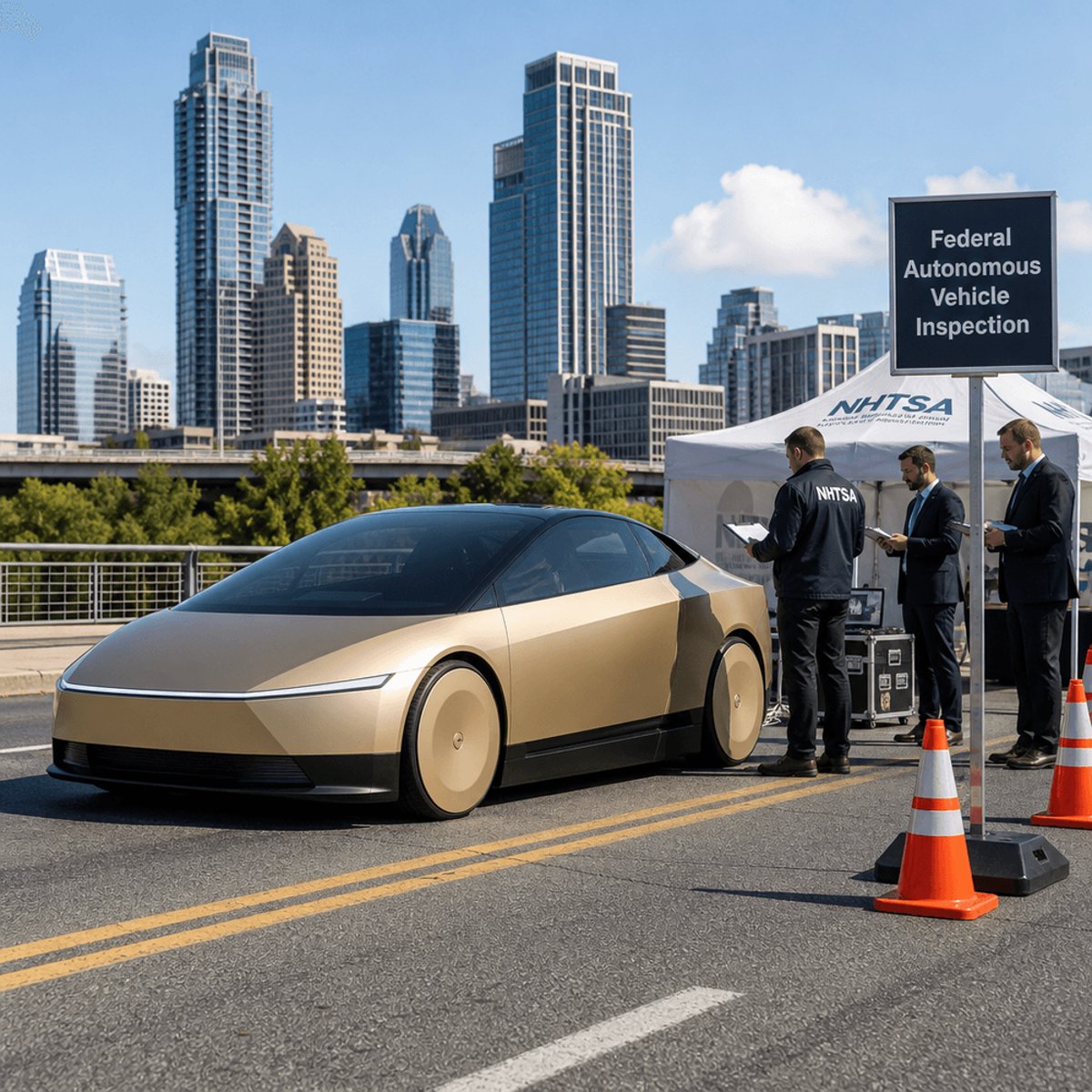
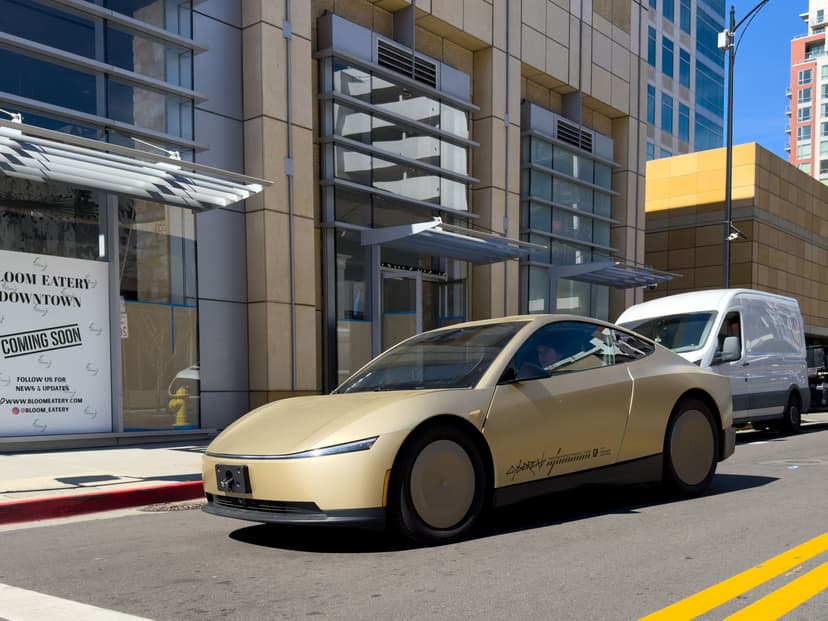
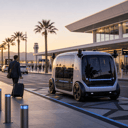
Tesla barely got to celebrate. Just hours after the first production Cybercabs hit the streets of Austin, federal regulators launched an investigation into the robotaxi's deployment, according to TechCrunch. The timing couldn't be worse for a company that's staked its entire growth story on autonomous driving finally living up to the hype.
Tesla's robotaxi dream just hit a very fast, very public speed bump. The company put its first production Cybercabs on the road in Austin, and before the day was even over, federal regulators had opened an investigation into the deployment, TechCrunch reports. It's the kind of whiplash that's become almost routine for Tesla whenever it tries to turn Elon Musk's boldest promises into something you can actually hail from a phone.
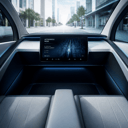
The Cybercab has been years in the making, first teased as a purpose-built robotaxi with no steering wheel and no pedals, a vehicle designed from scratch to be autonomous rather than retrofitted. Musk has talked up the Cybercab as the linchpin of Tesla's next act, the thing that turns the company from a car manufacturer into something closer to a transportation network. Investors have been waiting for this moment. So, apparently, have regulators.
Details on the scope of the investigation are still thin. What we know is limited to the bare fact that it happened, and that it happened fast. That speed is notable in itself. Federal agencies like the National Highway Traffic Safety Administration don't typically move within hours unless something in the initial rollout raised immediate red flags, whether that's a reported incident, a compliance question, or something baked into how Tesla classified the vehicle for road use in the first place.
This isn't unfamiliar territory for Tesla. The company's Full Self-Driving software has been the subject of multiple federal investigations over the years, including probes tied to crashes and questions about how the system is marketed to consumers. Tesla has also sparred with regulators in Texas and California over how it can operate and advertise its autonomous features. So while a new investigation into Cybercab specifically is fresh news, it fits a pattern that's been building for a while.
What makes this moment different is the stakes. Tesla's stock and much of its long-term valuation thesis rest heavily on the idea that autonomy is coming, and coming soon. Every quarter, Musk has pointed to robotaxis as the next leg of growth, arguing that Tesla's real value isn't in selling cars but in deploying a fleet of self-driving vehicles that generate revenue around the clock. An investigation launched on day one of commercial deployment threatens to undercut that narrative just as it was starting to become tangible.
The competitive landscape only sharpens the pressure. Waymo, owned by Google's parent Alphabet, has already logged millions of autonomous miles in cities like Phoenix and San Francisco, largely without the kind of regulatory drama that's followed Tesla. Waymo's approach, built on lidar-heavy sensor suites and years of incremental, geofenced expansion, stands in contrast to Tesla's camera-only, move-fast strategy. Every stumble Tesla takes in Austin gives Waymo and other rivals like Cruise more room to argue that their more cautious approach is the safer bet for scaling robotaxis nationally.
For Austin residents who may have been among the first to spot a Cybercab on the road, the investigation adds a layer of uncertainty to what was supposed to be a celebratory launch. It's unclear whether the probe will pause operations, restrict where the vehicles can drive, or simply run in the background while Cybercabs continue picking up passengers. Tesla has not yet issued a public statement addressing the investigation, and regulators haven't detailed what triggered the review.
What happens next matters a lot. If the investigation expands or uncovers something serious, it could delay Tesla's broader robotaxi rollout plans, which the company has hinted will extend well beyond Austin into other major U.S. cities. If it resolves quickly and cleanly, Tesla gets to move forward with a story about regulatory scrutiny that ultimately validated the vehicle's readiness. Either way, this is the kind of moment that tends to define how much trust the public and investors place in Tesla's autonomy claims going forward.
For now, the headline is simple: Tesla finally got its Cybercabs on the road, and federal regulators wasted no time taking a closer look. Whatever the investigation turns up, it's a reminder that in the race to make autonomous vehicles a everyday reality, speed to market and regulatory patience don't always move at the same pace. Readers watching Tesla's stock, or just waiting for a robotaxi to show up outside their door, should expect more headlines before this one gets resolved.