Apple is joining forces with Google in a surprising move that could fundamentally reshape how millions interact with their wearables. The partnership, aimed at integrating Google's AI capabilities into Siri for health coaching on the Apple Watch, marks a rare collaboration between the tech rivals and signals Apple's urgency to catch up in the AI race while doubling down on health as its next growth frontier.
Apple just made a move few saw coming. The company's partnership with Google to supercharge Siri's health coaching capabilities on the Apple Watch represents one of the most surprising collaborations in recent tech history, and it reveals just how seriously Apple is taking the AI arms race.
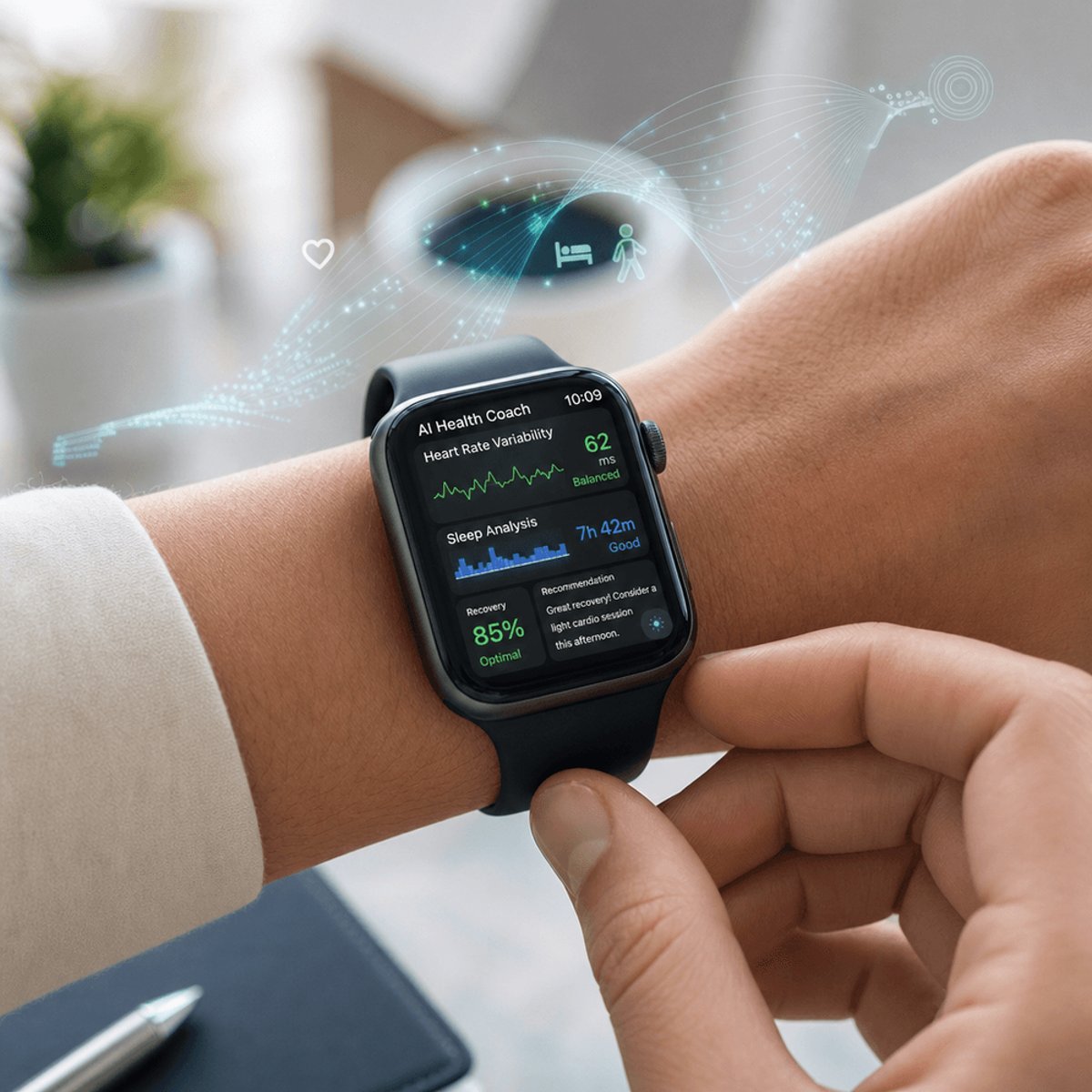
The deal could transform the Apple Watch from a device that simply tracks your steps and heart rate into an intelligent health companion that actually understands context, predicts health issues, and offers personalized coaching. According to sources familiar with the matter, Google's Gemini AI technology will power a new generation of conversational health features, allowing Siri to interpret complex health data patterns and deliver insights that go far beyond what Apple's current health suite offers.
This isn't just about adding another feature. It's about Apple acknowledging a uncomfortable truth - that despite years of investment, Siri has fallen dramatically behind rivals like Google Assistant and OpenAI's ChatGPT in natural language understanding and contextual reasoning. The Apple Watch generates more health data than most people realize - sleep patterns, heart rate variability, workout intensity, blood oxygen levels - but until now, that data has largely sat in silos, waiting for users to manually check their stats.
Google's AI could change that calculus entirely. Imagine asking your Apple Watch why you've been sleeping poorly this week and getting an answer that connects your recent late-night workouts, elevated stress levels from your heart rate data, and caffeine consumption timing. Or receiving a proactive notification that your recovery metrics suggest you should skip tomorrow's planned run. That's the kind of intelligent synthesis that current Apple Watch users have been waiting for.
The timing makes sense when you look at the broader market dynamics. Meta has been integrating AI across its platforms at breakneck speed, while Samsung recently announced Galaxy AI features that bring similar predictive health coaching to its wearables. Apple couldn't afford to let its flagship wearable - which commands over 30% of the global smartwatch market - fall behind in the one area where consumers are demanding innovation most urgently.
But this partnership raises fascinating questions about control and data privacy. Apple has built its brand around keeping user data locked down in its ecosystem, while Google has thrived on data aggregation and cross-platform insights. How the companies reconcile these philosophical differences will likely determine whether this collaboration succeeds or becomes a cautionary tale about mismatched corporate cultures.
Industry analysts are already speculating about the financial structure. Is Apple licensing Google's AI models outright? Running them on-device using its neural engine chips? Or sending anonymized health data to Google's cloud for processing? Each approach comes with different implications for performance, privacy, and profit margins. Given Apple's recent emphasis on on-device AI processing with its Apple Intelligence platform announced last year, a hybrid approach seems most likely - basic queries handled locally, complex analysis routed through Google's infrastructure with strict privacy controls.
The competitive implications extend beyond just health tracking. Amazon has been building out Alexa's health capabilities through partnerships with healthcare providers, while Microsoft is pushing AI-powered health tools through its cloud services. The space is getting crowded, and whoever can deliver genuinely useful AI health coaching first could lock in user loyalty for years.
What's particularly notable is the shift in Apple's strategy. The company has historically preferred to build everything in-house, even if it takes longer. This Google partnership suggests that executives in Cupertino have decided speed matters more than purity - they can't afford to spend another three years developing comparable AI while competitors race ahead.
For consumers, the potential is enormous. The global digital health market is projected to exceed $800 billion by 2027, driven largely by AI-powered preventive care tools. If Apple and Google can deliver a truly intelligent health coach that lives on your wrist, it could accelerate the shift from reactive to proactive healthcare in ways that fitness trackers alone never could.
This partnership represents more than just a feature upgrade - it's a signal that the AI era is forcing even the most competitive tech giants to reconsider their go-it-alone strategies. Whether Apple and Google can successfully merge their vastly different approaches to user privacy and data handling will determine if this collaboration becomes a template for future partnerships or a one-off experiment. For Apple Watch users, though, the promise is clear: a future where your wearable doesn't just track your health, but actually helps you improve it through intelligent, personalized coaching. The race to build that future just accelerated dramatically.