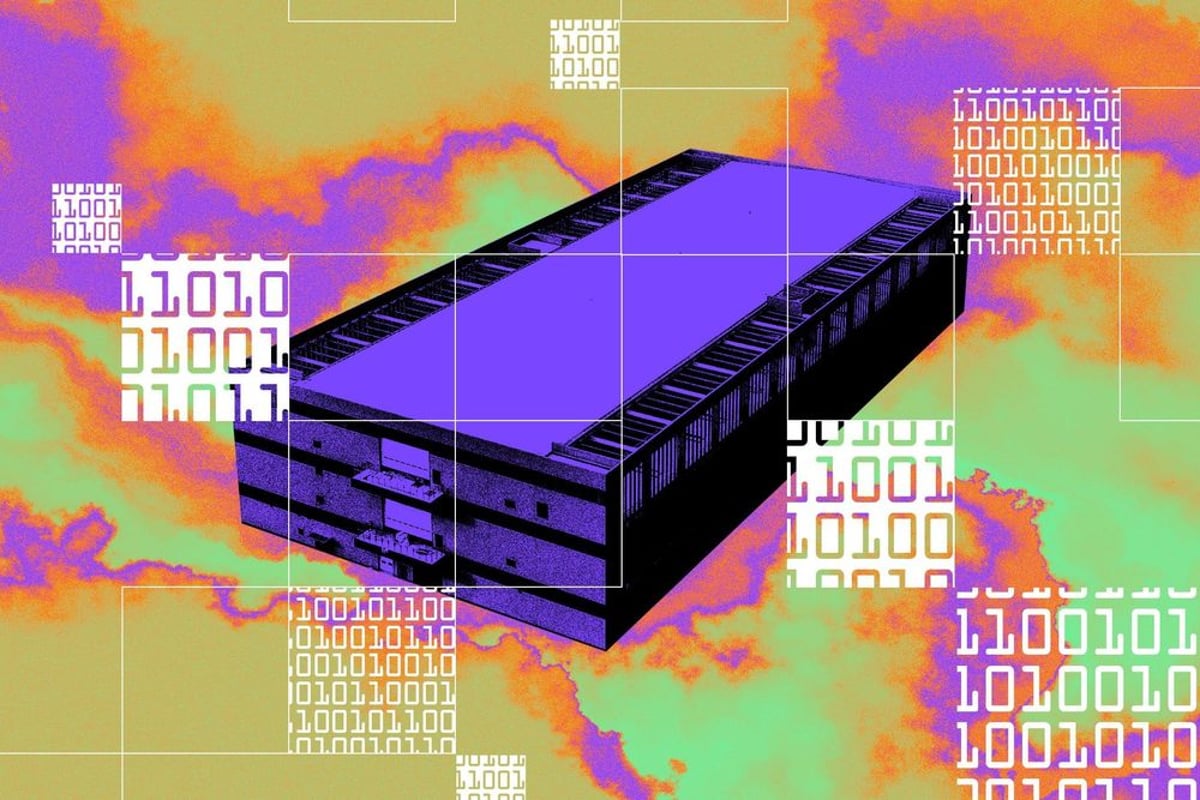
Nearly 200 utility companies and data center operators just signed Trump's pledge to protect consumers from rising electricity bills driven by AI's massive power demands. The move comes as backlash grows over who'll pay for the infrastructure boom powering the artificial intelligence race. Major players like NextEra Energy, Duke Energy, Equinix, and Digital Realty are now on record promising ratepayers won't get stuck with the tab - but the pledge, first introduced in March, hasn't done much to quiet skeptics yet.
The AI industry's power problem just got a very public response. Nearly 200 utility companies and data center developers have now signed President Trump's "rate payer protection pledge," a commitment designed to keep consumer electricity bills from spiking as AI infrastructure devours more energy. The Wall Street Journal got hold of the list ahead of Thursday's official announcement, and it reads like a who's who of the power and data center industries.
NextEra Energy, Duke Energy, Equinix, and Digital Realty are among the headline names committing to the pledge. An unnamed White House official told The WSJ that signatories represent a massive chunk of the nation's energy and data infrastructure - the very players building and powering the server farms that train and run AI models.
But here's the thing: this isn't exactly breaking news. The pledge first surfaced back in March, and in the four months since, it's done little to calm the growing anxiety around AI's energy appetite. Critics point out that promises are one thing - actual rate structures and infrastructure costs are another. As AI companies race to build bigger models and more powerful data centers, the electricity demands keep climbing. Someone has to pay for the upgraded grid capacity, the new power plants, and the infrastructure buildout.
The timing of this renewed push matters. Consumer advocacy groups and state regulators have been raising red flags for months about utilities potentially passing AI-related infrastructure costs onto residential customers. In several states, utility commissions are already reviewing rate increase requests tied to data center expansions. The pledge is essentially the industry's attempt to get ahead of a brewing political nightmare.
What the pledge actually requires remains somewhat vague. According to The WSJ, companies are committing to "protect ratepayers" from AI-driven cost increases, but the specific mechanisms for doing so aren't spelled out in detail. Will data centers pay premium rates? Will tech companies directly fund grid upgrades? Will utilities eat the infrastructure costs? Those details matter enormously - and they're still being worked out.
Microsoft, Google, Meta, and Amazon have all announced massive data center investments in recent quarters, collectively committing tens of billions to AI infrastructure. Each of those facilities needs reliable, abundant electricity - often equivalent to powering a small city. The scale is staggering, and it's only accelerating.
Energy industry analysts have been warning that data center power demand could double or even triple in the next five years, driven almost entirely by AI workloads. That's not just a capacity issue - it's a grid stability question. Utilities need to build or procure that power from somewhere, and traditionally, those costs get socialized across the entire customer base through rate adjustments.
The pledge represents an acknowledgment that the old model won't fly anymore. Public patience for subsidizing Big Tech's infrastructure is wearing thin, especially as household energy bills tick upward in many markets. Utilities and data center operators clearly see the political writing on the wall.
Still, skepticism runs deep. Energy policy experts note that pledge language is often aspirational rather than binding. Without clear regulatory frameworks and enforcement mechanisms, it's hard to know whether these commitments will hold when billions in infrastructure costs come due. Some states may require legislation to formalize the protections, while others might rely on utility commission oversight.
What happens next will likely play out state by state, as regulators grapple with unprecedented data center expansion and the rate structures to support it. The companies signing Thursday are betting that voluntary commitments now will head off mandatory regulations later - but only time will tell if the pledge becomes meaningful policy or just good PR.
The utility industry's pledge to protect consumers from AI-driven electricity costs is a clear sign the issue has reached critical mass politically. But promises made in March that are just now getting renewed attention suggest the industry is still figuring out how to deliver on those commitments. As AI infrastructure expansion accelerates and power demands soar, the real test will come when utilities file their next round of rate cases - and regulators decide whether these pledges have teeth or are just talking points. For now, consumers and watchdogs alike will be watching closely to see if the $200 billion AI buildout translates into higher bills despite today's assurances.