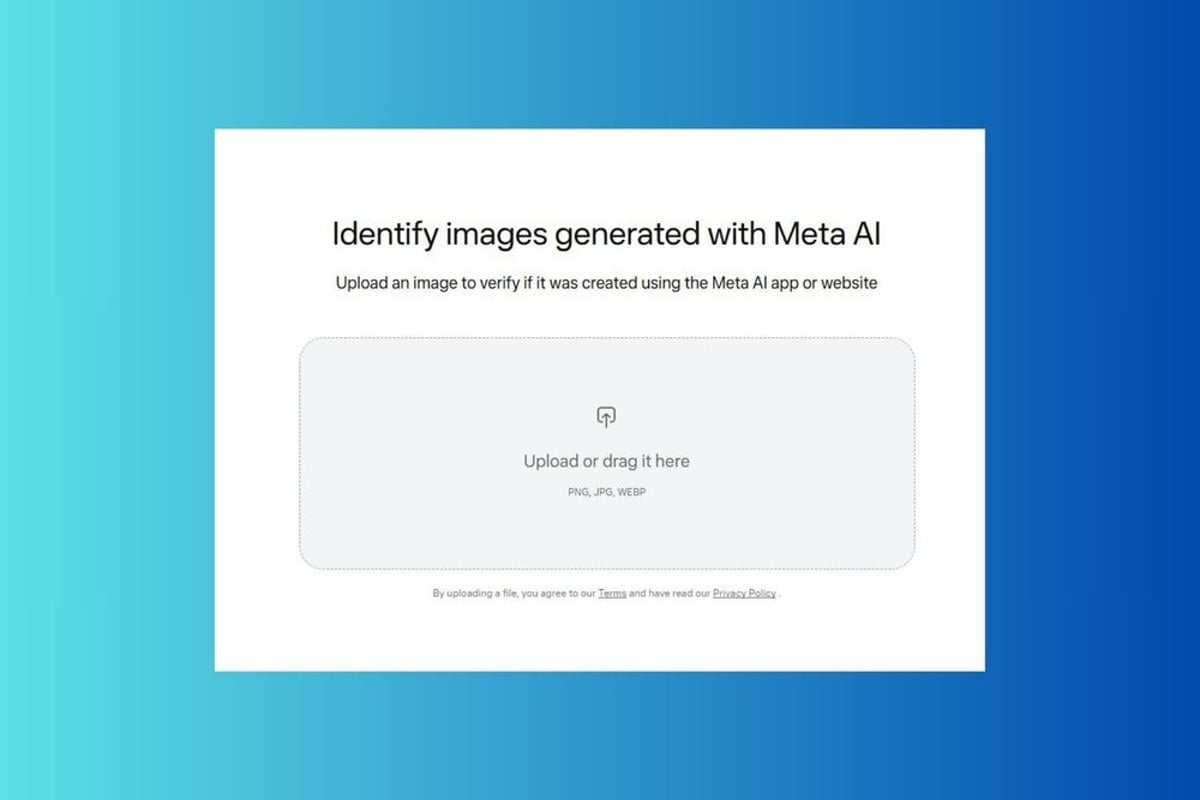
Meta just rolled out Content Seal, its answer to AI-generated content detection, but the timing and execution have industry observers scratching their heads. Four months after the company's Oversight Board pushed for better tools to combat deceptive AI content, Meta quietly buried the announcement in its July Muse AI launch. The invisible watermarking tech is supposed to flag AI-generated images, but it's arriving in a market where Google's SynthID already exists as a more established, open-source alternative.
Meta has a credibility problem with AI-generated content, and Content Seal might not solve it. The company's Oversight Board issued a clear directive in March: get serious about stopping the spread of deceptive AI content. Meta's response arrived in July, but not with the fanfare you'd expect for a solution to one of social media's most pressing problems.
Content Seal is an invisible watermarking technology designed to identify images created by Meta's new Muse AI model. But here's the thing - it was barely mentioned in the company's announcement. While Meta touted its new image and video generation capabilities, the actual detection tool got buried in the fine print. That's not exactly the confident rollout of a game-changing transparency feature.
The skepticism isn't unfounded. Google already solved this problem with SynthID, a watermarking system that's not only more established but also open-source and compatible with industry standards. SynthID works with C2PA Content Credentials, the coalition that includes Adobe, Microsoft, and the BBC, all working toward universal standards for authenticating digital content. Meta knows this exists. They chose to build something else anyway.
"As someone who spends a lot of time scrutinizing AI labeling systems, Content Seal doesn't fill me with confidence," The Verge's Jess Weatherbed wrote. The observation cuts to the heart of the issue - why reinvent the wheel when better wheels already exist?
The timing matters here. Meta's been under fire for years about content moderation failures, from election misinformation to deepfakes that slip through the cracks. When the Oversight Board calls you out specifically and tells you to use your own tools, the expectation is that you'd come back with something robust and loudly announce it to show you're serious. Instead, Meta delivered a proprietary system that only works with its own AI models and gave it the marketing attention of a software patch note.
This fragmentation is becoming a real problem for the industry. Every major tech company building its own detection system means there's no universal standard for identifying AI content across platforms. An image generated on Meta's Muse and watermarked with Content Seal might be undetectable if it gets shared to X or uploaded to a news site using different verification tools. Google's approach with SynthID at least attempts interoperability through C2PA standards.
Meta's decision also raises questions about priorities. Building watermarking tech from scratch requires significant engineering resources that could have gone toward implementing existing solutions faster and more comprehensively. The company has been vocal about AI safety and transparency in public statements, but those commitments ring hollow when the actual tools get treated as afterthoughts in product announcements.
The proprietary nature of Content Seal is particularly frustrating for researchers and fact-checkers who rely on cross-platform detection. If every company deploys its own watermarking standard, the people trying to identify AI-generated misinformation have to learn and use multiple systems. That's not just inefficient - it creates gaps where deceptive content can slip through.
Industry observers see this as part of a broader pattern where Meta talks about responsibility but resists collaborative solutions that might limit its autonomy. Joining C2PA or adopting SynthID would mean playing by rules Meta didn't write. Building Content Seal keeps everything in-house, even if that means a less effective system overall.
The watermarking arms race is heating up at a crucial moment. With elections, conflicts, and major news events constantly unfolding, the ability to verify whether an image is real or AI-generated has never been more important. Meta's lukewarm approach to Content Seal suggests the company still hasn't fully grasped the urgency, or it's decided that proprietary control matters more than effectiveness.
Meta's Content Seal launch feels like a missed opportunity wrapped in half-hearted compliance. The company had a chance to lead on AI transparency by embracing existing standards and making detection a cornerstone of its AI strategy. Instead, it chose fragmentation over collaboration and buried the announcement like it was embarrassed by it. As AI-generated content floods social platforms, users deserve better than watermarking systems that only work within walled gardens. The question now is whether pressure from regulators, advertisers, or users themselves will push Meta toward more serious solutions - or if Content Seal represents the bare minimum the company thinks it can get away with.