The electric vehicle industry is facing a brutal reckoning. In recent weeks, automakers have launched what industry watchers are calling an "EV murder spree," canceling a wave of promising electric models as slowing demand and policy uncertainty reshape the market. But there's a troubling pattern emerging - the casualties are mostly affordable EVs that could've brought new buyers into the fold, while expensive, polarizing models like Tesla's Cybertruck continue rolling off production lines.
The electric vehicle revolution is hitting a speed bump, and it's the wrong cars paying the price. Over the past few weeks, major automakers have quietly shelved a growing list of affordable EV projects, raising questions about the industry's commitment to mass-market electrification.
Among the victims is the Volvo EX30, a compact electric SUV that promised to bring Scandinavian design and EV technology to buyers at a more accessible price point. The cancellations come as automakers navigate what analysts describe as a perfect storm - softening consumer demand, shifting government policies, and intense pressure from Chinese competitors who've mastered the art of building cheap EVs.
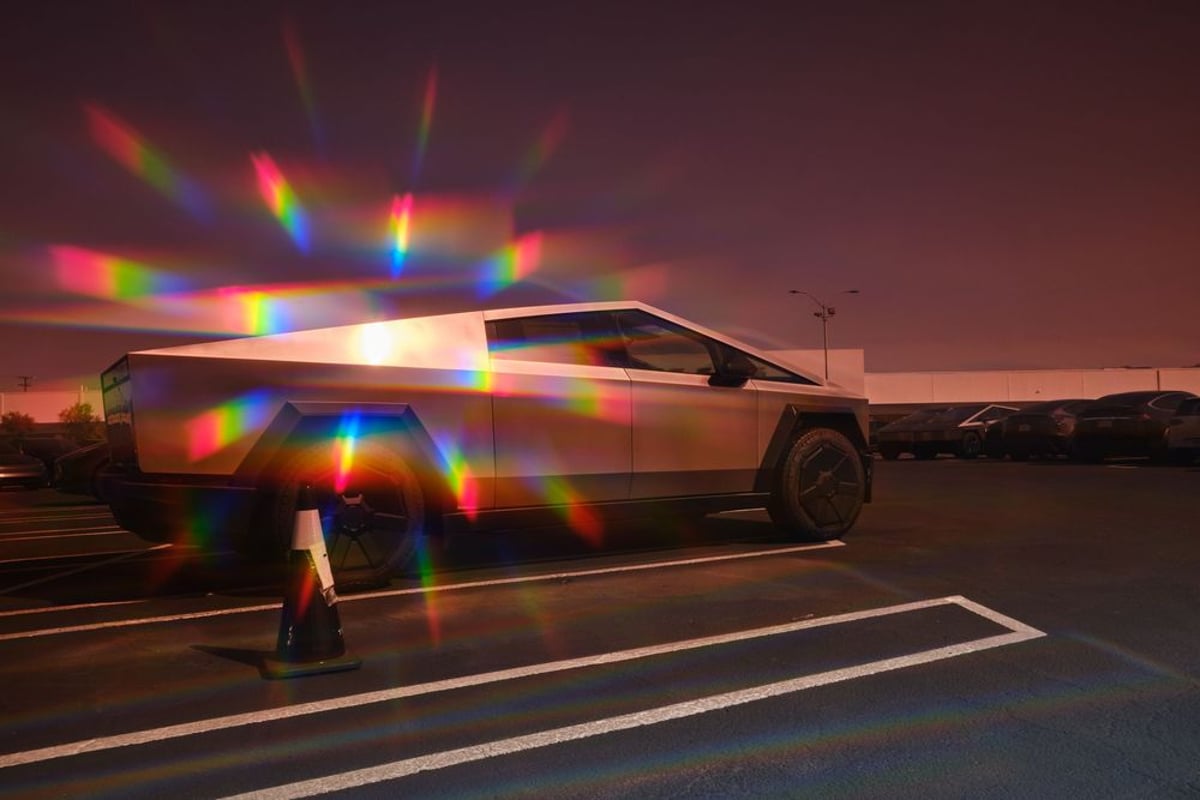
The irony isn't lost on industry observers. While budget-conscious models get the ax, Tesla's angular, stainless-steel Cybertruck - starting at over $80,000 - continues to gleam in showroom lots across America. The disconnect between what's being killed and what survives reveals uncomfortable truths about where automakers see profits versus where the market actually needs innovation.
"We're seeing automakers retreat to their comfort zone," one industry analyst told The Verge. "Premium EVs with high margins are safe. Affordable models that could actually move the needle on adoption? Those are expendable when the market gets tough."
The cancellation wave reflects deeper anxieties rippling through the automotive sector. After years of aggressive EV investment driven by regulatory mandates and Tesla's success, reality is setting in. Building affordable electric vehicles is brutally difficult - batteries remain expensive, charging infrastructure is patchy, and consumers are price-sensitive. When executives face pressure to show profits, the easiest targets are unproven models aimed at first-time EV buyers.
Policy whiplash isn't helping. Shifting political winds have thrown the future of EV incentives into question, making it harder for automakers to confidently price vehicles for a market where subsidies might disappear overnight. That uncertainty hits affordable models hardest, since a $7,500 tax credit makes a much bigger difference on a $35,000 car than a $100,000 luxury EV.
Meanwhile, Chinese automakers like BYD have cracked the code on building genuinely affordable electric vehicles at scale. Their success is forcing Western manufacturers into an uncomfortable position - compete on price in a race to the bottom, or retreat upmarket and cede the mass market to overseas rivals.
The pattern of cancellations suggests most are choosing retreat. By axing affordable projects and doubling down on premium EVs, traditional automakers are essentially admitting they can't figure out how to profitably build the cars that would actually accelerate EV adoption. It's a strategy that might protect quarterly earnings but does little to advance the transition away from fossil fuels.
For consumers who've been waiting for that perfect affordable EV to replace their aging sedan, the message is clear: you'll be waiting longer. The industry's current crisis is pruning exactly the vehicles that could've brought electric driving to mainstream America, leaving a market increasingly dominated by expensive trucks, luxury SUVs, and the occasional stainless-steel oddity.
What makes this particularly frustrating is the timing. Battery costs are finally declining, charging networks are expanding, and consumer awareness of EVs is higher than ever. This should be the moment when affordable electric cars flood the market. Instead, automakers are pulling back just as the pieces are falling into place.
The wave of affordable EV cancellations reveals an industry at a crossroads. Automakers are choosing financial safety over the kind of bold bets that could genuinely democratize electric transportation. While that might make sense in boardrooms focused on quarterly results, it's a troubling signal for anyone hoping electric vehicles would quickly become accessible to average buyers. The cars getting canceled aren't just products - they're missed opportunities to expand EV adoption beyond the early-adopter crowd. If the transition to electric transportation is going to happen at the scale needed for climate goals, the industry needs to figure out affordable EVs, not abandon them when things get complicated.