TL;DR:
• iRobot revenue crashed 23% to $127.6M despite launching new product line
• CEO confirmed company still seeking sale or "strategic alternatives" to escape debt spiral
• 12-month shutdown timeline from earlier this year creates urgency for potential buyers
• Chinese competition and failed Amazon deal continue hammering market position
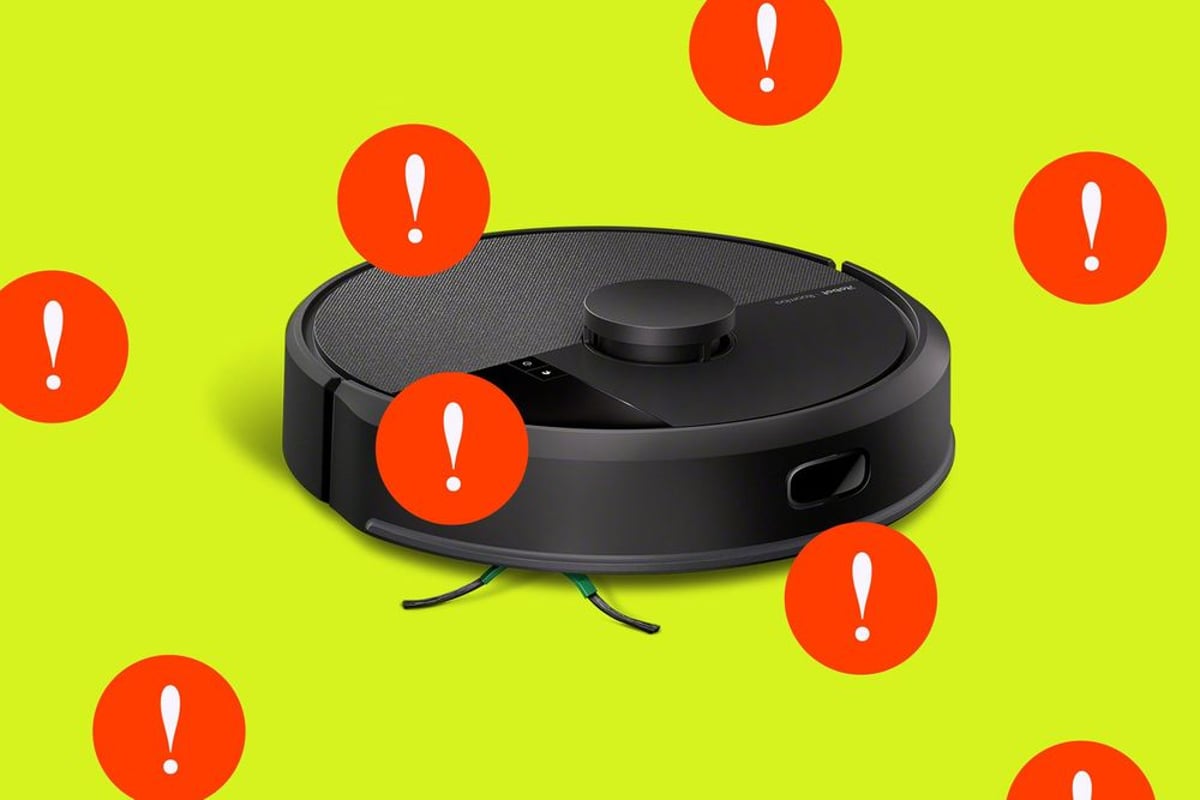
iRobot just delivered another devastating earnings report that brings the iconic Roomba maker closer to potential shutdown. Revenue plummeted 23 percent to $127.6 million in Q2, even as the company launched eight new robot vacuums with advanced LiDAR mapping. With CEO Gary Cohen's 12-month survival timeline rapidly approaching and no buyer in sight, the company that defined home robotics faces an existential crisis.
iRobot just posted numbers that would make any investor wince. The company's second-quarter earnings show revenue diving 23 percent to $127.6 million, a steep decline that comes despite the recent launch of eight new Roomba models featuring cutting-edge LiDAR room mapping technology.
The collapse is hitting where it hurts most - the lucrative US and European markets that have traditionally been iRobot's bread and butter. Even with what CEO Gary Cohen described as "encouraging" customer response to the new product lineup, the company couldn't escape what he termed "persistent market headwinds and delays in scaling production and sales."
This latest earnings disaster intensifies the pressure that's been building since Amazon walked away from its $1.7 billion acquisition deal in January 2024. That collapsed merger left iRobot saddled with massive debt and facing an existential crisis that prompted Cohen to warn earlier this year that the company could shut down within 12 months without dramatic intervention.
The math is brutal for a company that once dominated home robotics. Chinese manufacturers have flooded the market with cheaper alternatives, forcing iRobot to compete on price while trying to innovate its way back to relevance. The company's bet on premium features like advanced mapping and AI-powered cleaning routines isn't translating to the sales volumes needed to service its debt load.
"We didn't meet our goals this quarter due to persistent market headwinds and delays in scaling production and sales of our new products," Cohen told investors during the earnings call, according to company transcripts. His admission about production scaling issues suggests the company is struggling with basic operational execution at a time when every quarter counts.
The CEO's confirmation that iRobot remains actively pursuing a sale or "strategic alternatives" signals the board's recognition that time is running short. Industry sources suggest potential buyers are wary of the company's debt burden and the competitive landscape that's only grown more challenging since the Amazon deal fell apart.
What makes this particularly painful is the timing. iRobot's new product line represents genuine innovation in a category the company created. The LiDAR-equipped Roombas offer room-by-room cleaning control and sophisticated obstacle avoidance that Chinese competitors are still trying to match. But innovation without distribution and marketing muscle means little in today's consumer electronics market.
The robotics industry is watching closely as the company that gave birth to mainstream home automation fights for survival. iRobot's potential collapse would leave a vacuum in premium robot vacuums that competitors like Shark and Dyson are positioning to fill, while Chinese manufacturers continue pressing their cost advantage in the mass market.
With the 12-month clock Cohen started in early 2024 ticking toward its conclusion, every earnings report becomes more critical. The Q2 results suggest that even with new products and encouraging customer feedback, iRobot can't generate the revenue growth needed to stabilize its financial position independently.
The next few quarters will determine whether iRobot can find a lifeline through acquisition or strategic partnership, or becomes a cautionary tale about how quickly market dynamics can topple even the most innovative leaders. For consumers, the immediate question isn't whether to buy a Roomba - it's whether the company will be around to support it long-term. The robotics revolution iRobot pioneered is accelerating, but it may be happening without its founding father.