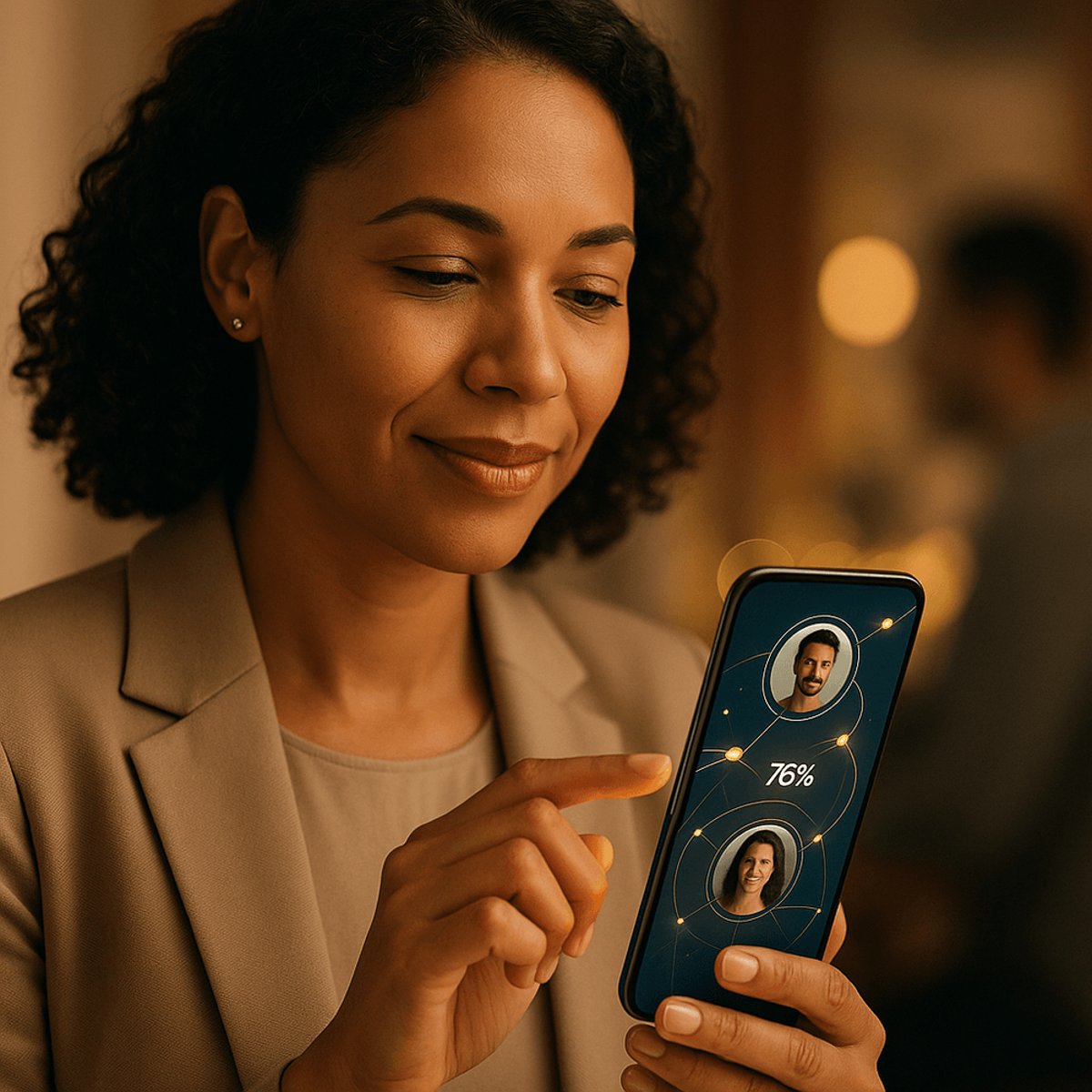
Bumble is betting its future on AI rather than endless swiping. The dating app just announced Bee, an AI-powered assistant that promises to match people based on deeper compatibility signals and relationship goals instead of profile photos. The move marks one of the most aggressive pivots yet by a major dating platform away from the swipe-based model that's defined online dating for over a decade.
Bumble is ready to kill the swipe. The company announced Bee, an AI-powered dating assistant designed to move beyond the superficial scroll-and-match model that's dominated dating apps since Tinder popularized it in 2012.
According to TechCrunch, Bee will analyze user preferences, conversation patterns, and stated relationship goals to suggest matches based on actual compatibility rather than split-second judgments on photos. It's a significant gamble for a platform built on women making the first move after mutual swipes.
The timing isn't coincidental. Dating app fatigue is real, and platforms are bleeding users tired of endless swiping that leads nowhere. Match Group, which owns Tinder, Hinge, and OkCupid, has seen user engagement flatten as Gen Z increasingly complains about burnout from superficial matching. Bumble's betting that AI can cut through the noise.
Bee's name plays off Bumble's signature branding while positioning the tool as a helpful guide rather than a replacement for human choice. The assistant will reportedly ask users deeper questions about values, lifestyle preferences, and what they're actually looking for—then use that data to surface matches who align on those dimensions. Think less "hot or not" and more "do your life goals and communication styles actually mesh."
The feature puts Bumble in direct competition with emerging AI dating startups that have raised millions promising to fix online dating's broken experience. But Bumble has a crucial advantage: an existing user base and years of behavioral data to train its models. The company can analyze what makes successful matches versus conversations that fizzle, giving Bee insights that startups can't replicate.
What's less clear is how Bumble will balance AI recommendations with user autonomy. Dating apps have always walked a fine line between helpful curation and feeling overly controlling. If Bee limits who users can see or pushes matches too aggressively, it risks alienating the same people it's trying to help. The app will need to nail the interface and trust equation.
The announcement also highlights a broader trend: consumer apps racing to bolt AI onto existing products. From Spotify generating personalized playlists to Snap adding AI chatbots, platforms are scrambling to prove they can harness large language models for everyday use cases. Dating feels like a natural fit—it's personal, conversational, and people genuinely want help navigating it.
But AI dating assistants raise thorny questions about algorithmic bias and privacy. Who gets recommended to whom, and based on what signals? If Bee learns from past user behavior, it could entrench existing preferences and biases rather than expanding people's horizons. And the data required to power these systems—detailed information about dating preferences, conversations, and relationship outcomes—is incredibly sensitive.
Bumble hasn't detailed Bee's underlying technology or which AI models power it. The company also hasn't said whether the feature will be free or gated behind its premium subscription tiers. Given that Bumble already offers paid features like unlimited swipes and advanced filters, it's likely Bee will at least have some premium components.
The competitive pressure is mounting. Hinge has positioned itself as the app "designed to be deleted," focusing on meaningful connections over endless browsing. Tinder recently tested AI-powered photo selection tools. Smaller players like Iris Dating already use AI to learn user preferences. Bumble needs Bee to deliver real results, not just marketing buzz.
What happens to the swipe itself remains an open question. Bumble isn't saying Bee will completely replace swiping—at least not immediately. More likely, the assistant will coexist with traditional browsing, offering a parallel path for users who want help. Over time, if Bee proves more effective at creating matches, the swipe could fade into the background.
For Bumble founder Whitney Wolfe Herd, who has championed women's agency in dating since launching the app, Bee represents an evolution of that mission. Instead of just controlling who messages first, women—and all users—get an AI copilot helping them navigate the overwhelming world of online dating. Whether users will trust an algorithm with their love lives is the billion-dollar question.
Bumble's Bee represents a critical test for AI in consumer apps. If the assistant genuinely helps people find better matches and reduces dating app burnout, it could redefine how millions approach online dating. But if it feels intrusive, biased, or just doesn't work better than swiping, Bumble risks alienating its core users in pursuit of AI hype. The dating app wars just got a lot more algorithmic, and users will ultimately decide whether AI belongs in their love lives.