The universal remote is making a comeback. Cantata just launched the Haptique RS90, a $406 Android-powered device that promises to fill the void left by Logitech's discontinued Harmony line. But early reviews suggest this premium remote isn't quite ready to rule your living room.
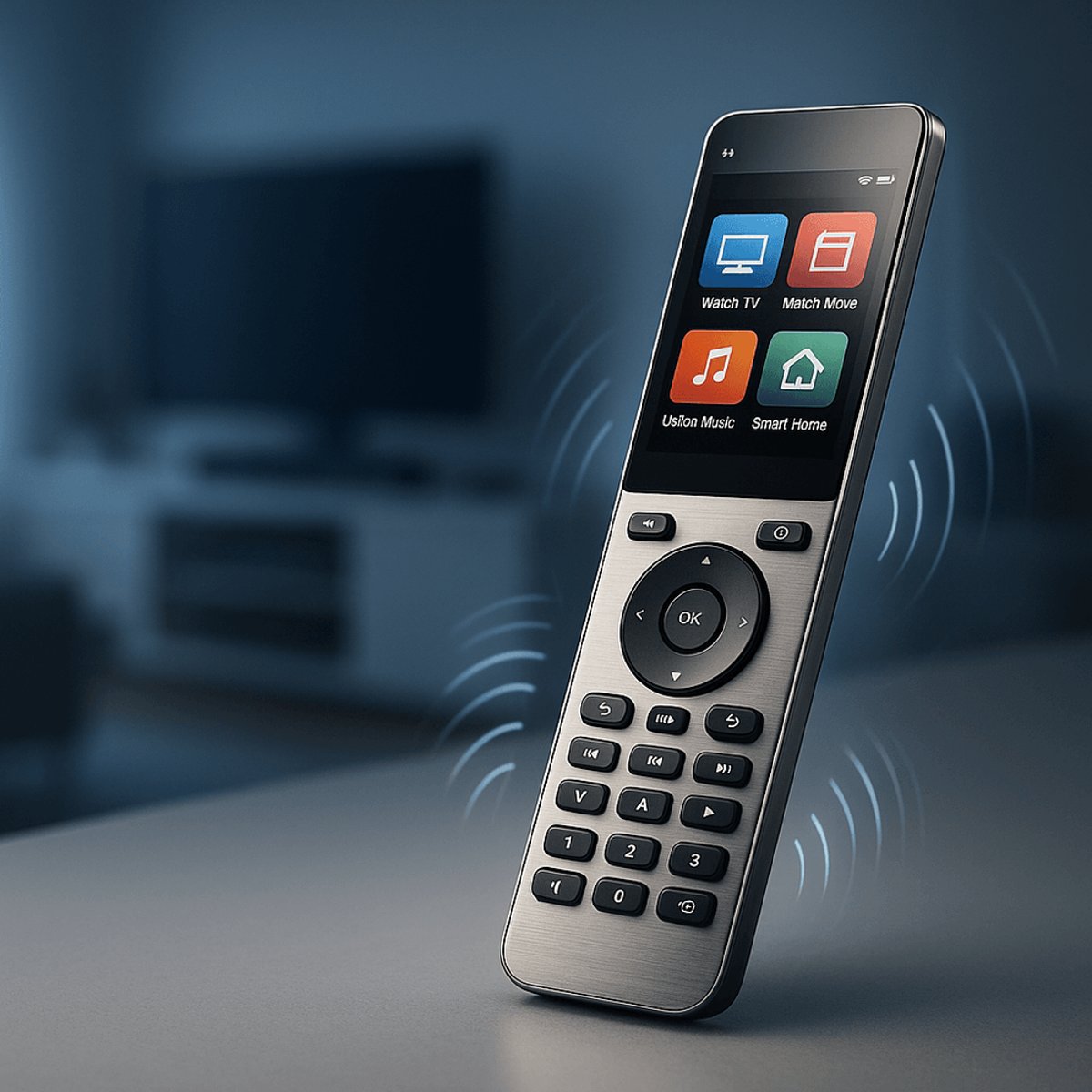
The universal remote market has been in limbo since Logitech killed off its Harmony line in April 2021. Now a new player thinks it can resurrect the category with some serious Android firepower. Cantata's Haptique RS90 represents the most ambitious attempt yet to modernize the universal remote concept, packing smartphone-grade internals into what the company hopes will be "the last remote you'll ever need." But according to Wired's detailed review, that bold promise remains unfulfilled. The RS90 commands attention with its sleek aluminum design that ditches the typical button-heavy plastic for a more sophisticated approach. Simon Cohen, reviewing for Wired, notes the device "looks like Bang & Olufsen's ahead-of-its-time 1991 Beolink 7000 remote, but reimagined for today's devices." The hardware specs certainly impress - an ARM octacore processor, 3GB RAM, 16GB storage, plus both Bluetooth and Wi-Fi connectivity. The 3.1-inch color touchscreen sits above a backlit 24-button keypad, while built-in microphone and speaker enable the voice commands that Logitech never successfully implemented. Under the hood runs a custom Android 12 build that Cantata designed specifically for home control. The remote charges via an included cradle, addressing one of the persistent pain points of earlier universal remotes that chewed through batteries. At €349 (roughly $406), the RS90 positions itself as a premium solution for smart home enthusiasts who've accumulated a mix of legacy IR devices and newer Bluetooth gadgets. The timing feels strategic. As streaming services proliferated and HDMI-CEC simplified device communication, Logitech's Harmony line gradually lost relevance. But many households still juggle multiple remotes for soundbars, cable boxes, gaming consoles, and smart home devices that don't play nicely together. Cantata is betting there's still demand for a unified control solution. However, Cohen's review suggests the software experience doesn't match the premium hardware. While he praises the build quality and design, the review indicates significant room for improvement in the user experience. The company acknowledges this is just the beginning, with plans for an enhanced RS90x model featuring an OLED screen, expanded storage, fingerprint reader, and crucially, an IR receiver that the base RS90 lacks. The universal remote market's resurrection faces headwinds that ultimately doomed Harmony. Smart TV platforms have gotten significantly better at consolidating controls, while voice assistants like Alexa and Google Assistant have made some remote functions obsolete. But for households with complex AV setups or extensive smart home ecosystems, a well-executed universal remote could still find its audience. Cantata's Android foundation offers intriguing possibilities that weren't available during Harmony's heyday. The remote could theoretically run streaming apps directly, integrate with home automation platforms, or receive regular software updates that expand functionality over time. Whether Cantata can execute on this vision remains the open question. The company is essentially betting that better software can overcome the market forces that killed Harmony. Early reviews suggest they're not there yet, but the foundation appears solid enough to build on.
Cantata's RS90 represents an ambitious attempt to revive the universal remote category with modern hardware and Android smarts. While the premium build quality and technical specs suggest serious potential, early reviews indicate the software experience needs significant refinement before it can truly replace the stability that made Logitech Harmony successful. For now, it's more proof of concept than finished product - but one that could evolve into something genuinely compelling if Cantata can nail the user experience.