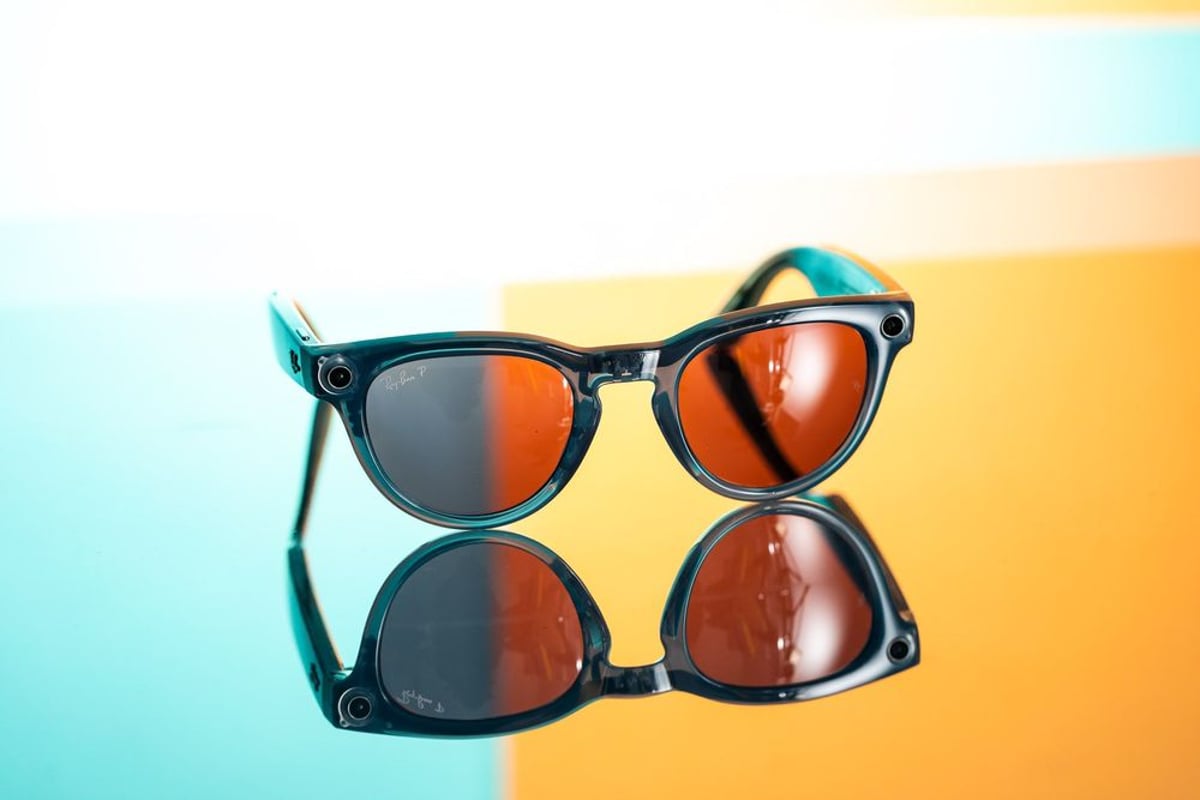
Meta's Ray-Ban smart glasses just hit their lowest price ever at $224.25, beating even Black Friday deals by $15. The first-generation glasses offer nearly identical features to the new Gen 2 model for $155 less, making this the best entry point into Meta's AI-powered wearables ecosystem that's quietly reshaping how we interact with technology.
The smart glasses market just got more accessible. Meta's original Ray-Ban smart glasses hit an all-time low of $224.25 at major retailers, undercutting even last month's Black Friday pricing by $15. The deal arrives at Amazon and Best Buy, with Target offering the glasses at full price but throwing in an $85 gift card for online purchases.
This pricing makes the first-generation glasses $155 cheaper than Meta's new Gen 2 model, which launched in October with a $379 price tag. But here's the thing - you're not missing much by going with the older version. Both generations pack the same 12-megapixel camera sensor, meaning photo quality stays consistent. The main video difference? The new model shoots 3K at 30fps versus 1080p on the original, but most users won't notice the distinction in daily use.
The original glasses still deliver the core smart experience that's making these devices surprisingly popular. You can stream music, capture photos and videos, and broadcast live to Facebook or Instagram without touching your phone. The five-microphone array handles calls clearly, and Meta's AI assistant responds to voice commands for everything from recipe suggestions to landmark identification.
Meta's rolling out real-time translation for Spanish, Italian, and French, with German and Portuguese coming soon. The company's also pushing key Gen 2 software features back to the original model, including an upcoming "conversation focus" upgrade that amplifies whoever you're talking to and new video modes like slo-mo and hyperlapse.
The timing of this deep discount isn't accidental. Meta's clearly moving older inventory before the holiday shopping surge, but it also signals something bigger about the company's wearables strategy. By making the entry price more accessible, Meta's betting that getting these glasses on more faces matters more than maximizing profit per unit right now.
Industry analysts note this approach mirrors how Meta handled VR headset pricing - aggressive discounts to drive adoption and build the user base for future premium models. The Ray-Ban partnership has been Meta's most successful hardware collaboration outside of VR, with the glasses gaining traction among creators and tech enthusiasts who appreciate the seamless social media integration.
The main trade-off with the first-gen model is battery life. Where the new glasses last eight hours, the original version maxes out around four hours of mixed use. For many users, that's still enough for a full day of casual photography and music streaming, especially considering the charging case provides additional power.
Retailers are clearly confident in demand - both Amazon and Best Buy are matching the $224.25 price point exactly, unusual for competing platforms. This suggests either strong manufacturer incentives or recognition that smart glasses represent a growing category worth fighting for.
The broader context here is Meta's push to establish AR glasses as the next major computing platform. While true AR displays remain years away, these camera-equipped frames serve as a stepping stone, getting consumers comfortable with face-worn tech that connects to digital services.
For potential buyers, this deal presents the lowest barrier to entry yet for Meta's smart glasses ecosystem. The feature gap between generations is narrow enough that most users won't feel shortchanged, and the software update promise means the glasses won't become obsolete quickly.
This $224.25 price point represents more than just a good deal - it's Meta's clearest signal yet that smart glasses are ready for mainstream adoption. With nearly identical features to the premium model and promised software updates, the original Ray-Ban Meta glasses offer the best value entry into wearable AI technology. The $155 savings over Gen 2 makes the battery life trade-off worthwhile for most users, while the price drop timing suggests Meta's serious about building market share before competitors catch up.