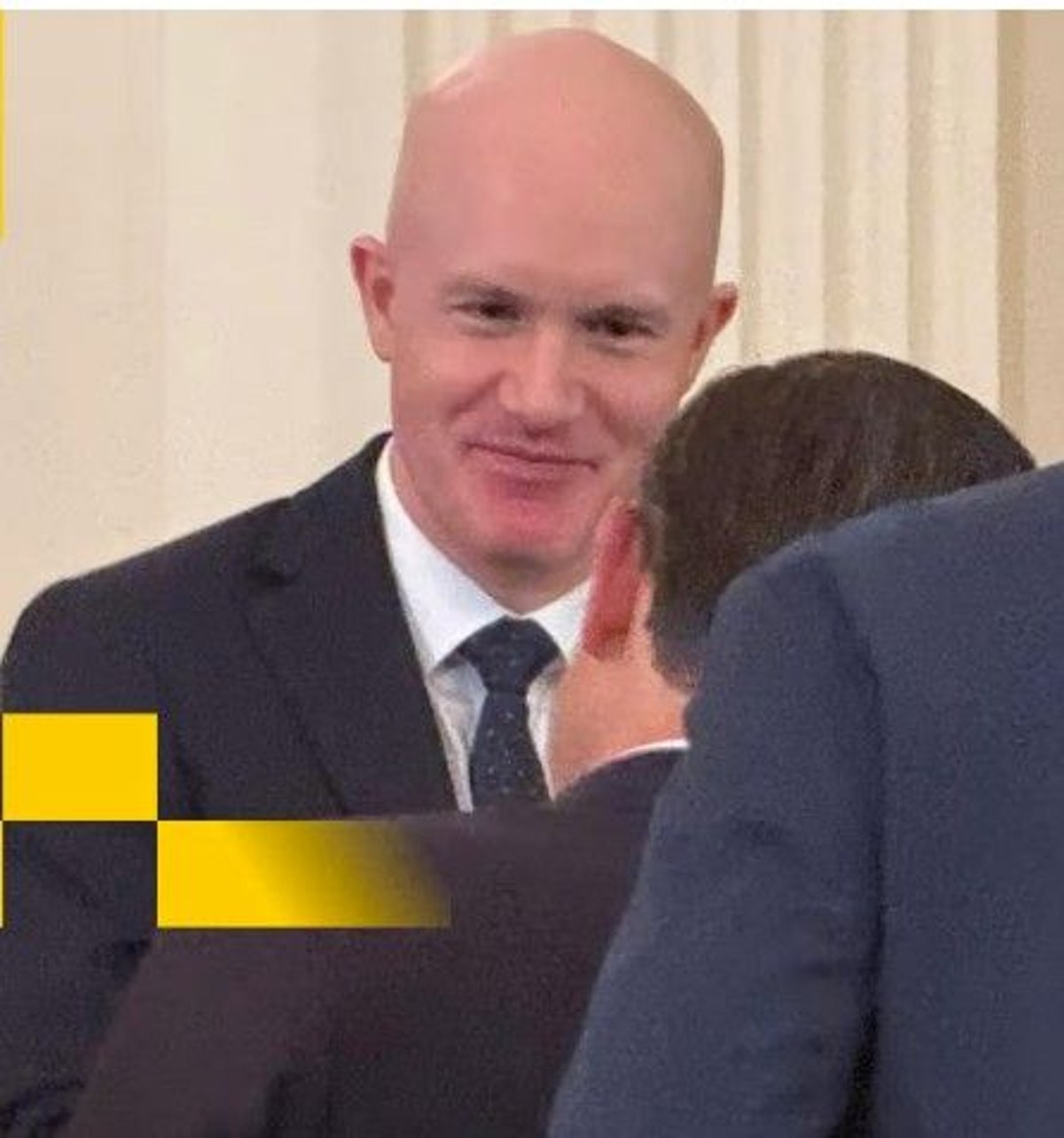
Coinbase CEO Brian Armstrong just torpedoed what was supposed to be crypto's biggest legislative win. The Digital Asset Market Structure Framework, designed to create clear federal rules for cryptocurrency regulation, hit a wall when America's largest crypto exchange pulled its support. Armstrong declared he would "rather have no bill than a bad bill" after reviewing the latest draft from Senator Tim Scott.
The timing couldn't be worse. The Senate Banking Committee was set to mark up the bill on January 15 but postponed the session after Coinbase withdrew backing. This matters because Coinbase spent millions through political action committees during the 2024 election cycle supporting pro-crypto candidates. Lawmakers view the exchange's endorsement as essential for any crypto legislation to pass Congress.
Armstrong's objections read like a crypto wish list gone wrong. The current draft bans stablecoin yield rewards, blocks tokenized stocks, gives unlimited government access to user financial records, and puts the CFTC in a weaker position compared to the SEC. For Coinbase, these provisions would fundamentally change how crypto operates in America.
White House Strikes Back
The Trump administration reportedly went nuclear over Coinbase's surprise withdrawal. According to journalist Eleanor Terrett, sources close to the White House described officials as "furious" about Armstrong's "unilateral decision." They called it a "rug pull" against both the administration and the broader crypto industry.
One administration source made the power dynamic crystal clear: "This is President Trump's bill at the end of the day, not Brian Armstrong's." The White House is now considering pulling its support entirely unless Coinbase returns to negotiations and accepts a stablecoin framework that works for major banks.
The administration's frustration makes sense from a political perspective. Trump campaigned on crypto-friendly policies and appointed pro-digital asset officials. Having the industry's biggest player reject the signature legislation embarrasses the administration and undermines Trump's promises to crypto voters.
The CEO's Quick Defense
Armstrong fired back fast on social media after the White House story broke. He denied reports of a rift, writing: "The White House has been super constructive here. They did ask us to see if we can go figure out a deal with the banks, which we're currently working on."
The Coinbase chief also hinted at ongoing negotiations, mentioning they were "working on a few ideas to help community banks with the bill." This suggests the drama might be more about leverage than fundamental disagreement. Armstrong may be using public pressure to force better terms in private negotiations.
The quick response shows how carefully Coinbase must navigate Washington politics. The company needs regulatory clarity to expand its business, but it also can't accept rules that cripple its core revenue streams. Armstrong is walking a tightrope between political necessity and business survival.
Banking's Hidden Role
The stablecoin yield issue reveals deeper tensions between crypto companies and traditional banks. Major banks apparently oppose allowing crypto exchanges to offer yield on stablecoins, digital currencies pegged to the dollar. This feature is crucial for Coinbase because it generates significant revenue and keeps customers engaged on the platform.
Community banks may have different concerns than their larger competitors. Armstrong's mention of "helping community banks" suggests Coinbase is trying to split the banking lobby. Smaller banks might be more willing to work with crypto companies if they get special protections or benefits.
The White House request for Coinbase to "figure out a deal with the banks" shows how traditional finance still holds enormous sway over crypto policy. Even with a pro-crypto president, the banking industry can effectively veto features that threaten their business models.
What Happens Next
The crypto industry now faces a critical test of its political influence. Coinbase spent heavily on the 2024 elections and helped elect dozens of pro-crypto candidates. But those politicians also need to work with the Trump administration and can't afford to look like they're controlled by corporate donors.
Armstrong has publicly committed to finding common ground, which suggests negotiations will continue behind closed doors. The Senate Banking Committee will likely reschedule its markup once key players reach an agreement. But the longer this drags out, the more time opponents have to organize resistance.
The crypto bill's fate could determine whether digital assets get the regulatory clarity they need to grow or remain stuck in legal limbo. For Coinbase, the stakes are enormous: clear rules could unlock new business opportunities, while bad regulations could force the company to limit services or move operations overseas.