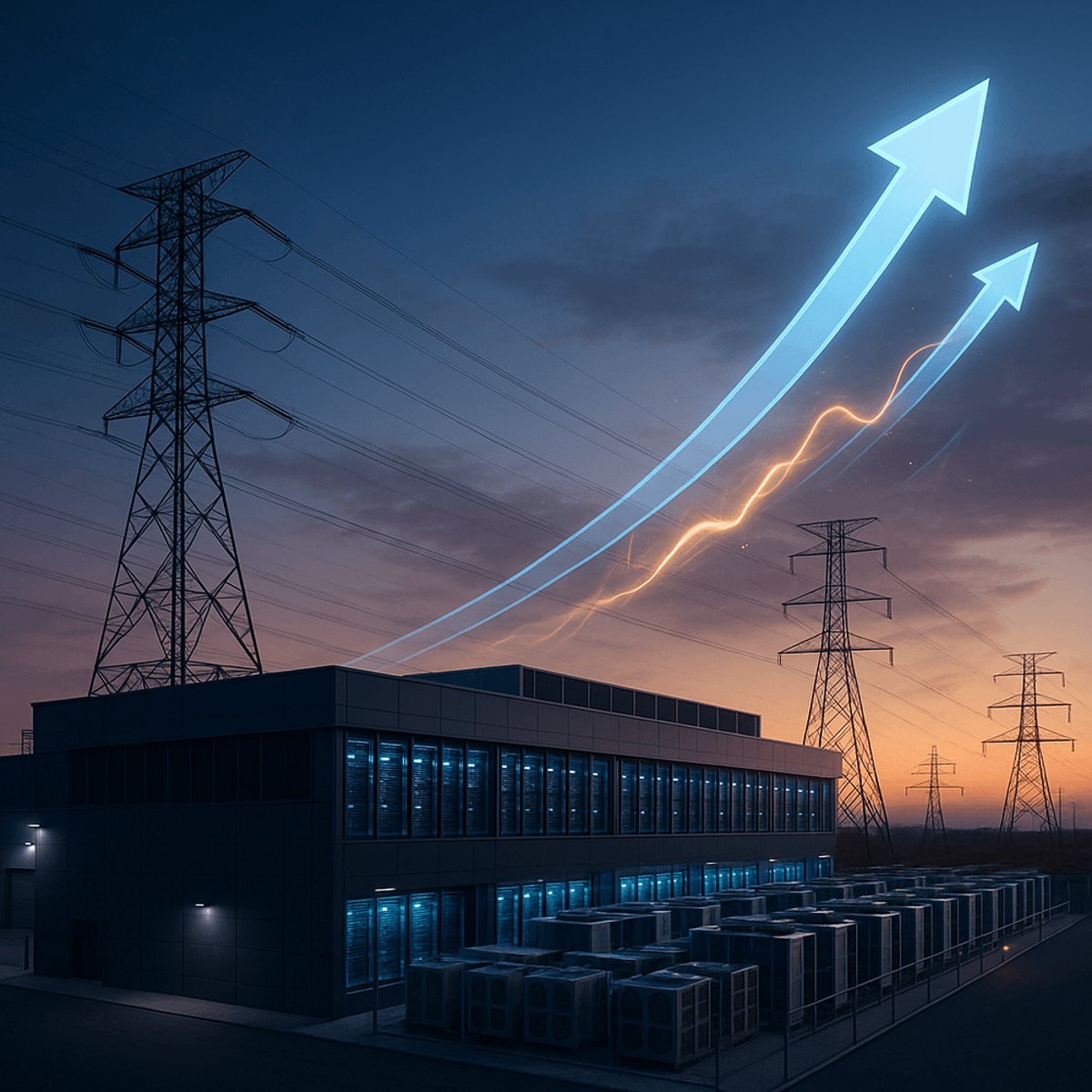
Data centers are about to unleash an unprecedented energy surge that could reshape America's electrical grid. New facilities planned over the next decade will consume nearly triple the electricity that the entire sector uses today, jumping from 40 gigawatts to 106 gigawatts by 2035, according to a bombshell report from BloombergNEF. The forecast represents a sharp 165% upward revision from projections made just eight months ago, driven by AI companies racing to build massive computing facilities.
The numbers tell a story of an industry spinning out of control. While only 10% of today's data centers draw more than 50 megawatts of power, the average new facility planned over the next decade will gulp well over 100 megawatts. Nearly a quarter of planned centers will exceed 500 megawatts, and several monster facilities will break the 1-gigawatt barrier - enough to power a small city.
This isn't just about scale, it's about a fundamental shift in how we think about computing infrastructure. AI training and inference workloads are driving utilization rates from a modest 59% today to an aggressive 69% by 2035. That means these facilities won't just be bigger - they'll be working harder than ever before.
The geographic spread tells another crucial part of this story. Much of the new capacity is heading to Virginia, Pennsylvania, Ohio, Illinois, and New Jersey - all within the PJM Interconnection grid that serves 65 million people across 13 states. Texas's Ercot grid is also bracing for a massive influx.
But here's where things get really interesting: this report represents a massive upward revision from BloombergNEF's April forecast. Early-stage projects have more than doubled between early 2024 and early 2025, though these are distinct from committed or under-construction facilities. The research firm admits that "with an average seven-year timeline for projects to come online, developments in earlier stages affect the tail end of our forecast the most."
The investment numbers are staggering. Global data center investment hit $580 billion this year - more than the world spends hunting for new oil supplies. That's not a typo. We're literally spending more on computing infrastructure than on the energy resources that power civilization.
But the honeymoon period might be ending. The PJM Interconnection is facing serious pushback from its independent monitor, Monitoring Analytics, which just filed a scathing complaint with federal regulators. The watchdog group argues that PJM has the authority to require large new data center loads to wait in line until the grid can serve them reliably.
"PJM's failure to clarify and enforce its existing rules and to protect reliable and affordable service in PJM is unjust and unreasonable," Monitoring Analytics wrote in its FERC filing. The group is essentially saying: slow down before you break everything.
Even more provocatively, the monitor is directly blaming data centers for today's high electricity prices across the region. That's a serious allegation that could reshape how utilities and regulators think about approving new connections.
The shift toward rural areas isn't just about finding cheaper land - it's about escaping the constraints of urban electrical infrastructure. As facilities grow to unprecedented sizes, the existing grid near major metropolitan areas simply can't handle the load. This rural migration could fundamentally alter the economics of small-town America, bringing high-paying tech jobs but also straining local resources.
What makes this surge particularly challenging is the timing mismatch. These massive facilities take an average of seven years to build and connect to the grid, but AI development moves at internet speed. Companies are essentially placing massive infrastructure bets based on where they think the technology will be nearly a decade from now.
The regulatory response is already beginning to crystallize. Grid operators are starting to push back against what they see as unsustainable demand growth that's outpacing infrastructure development. The question isn't whether this boom will continue - it's whether the electrical grid can evolve fast enough to support it without compromising reliability or affordability for everyone else.
This isn't just about bigger data centers - it's about a fundamental rewiring of America's energy infrastructure to support the AI revolution. The 165% surge in electricity demand over the next decade will test every assumption about grid capacity, pricing, and regulatory oversight. While companies race to build the computing power needed for AI breakthroughs, grid operators are scrambling to prevent a reliability crisis that could affect millions. The next few years will determine whether we can scale AI infrastructure without breaking the electrical backbone that powers everything else.