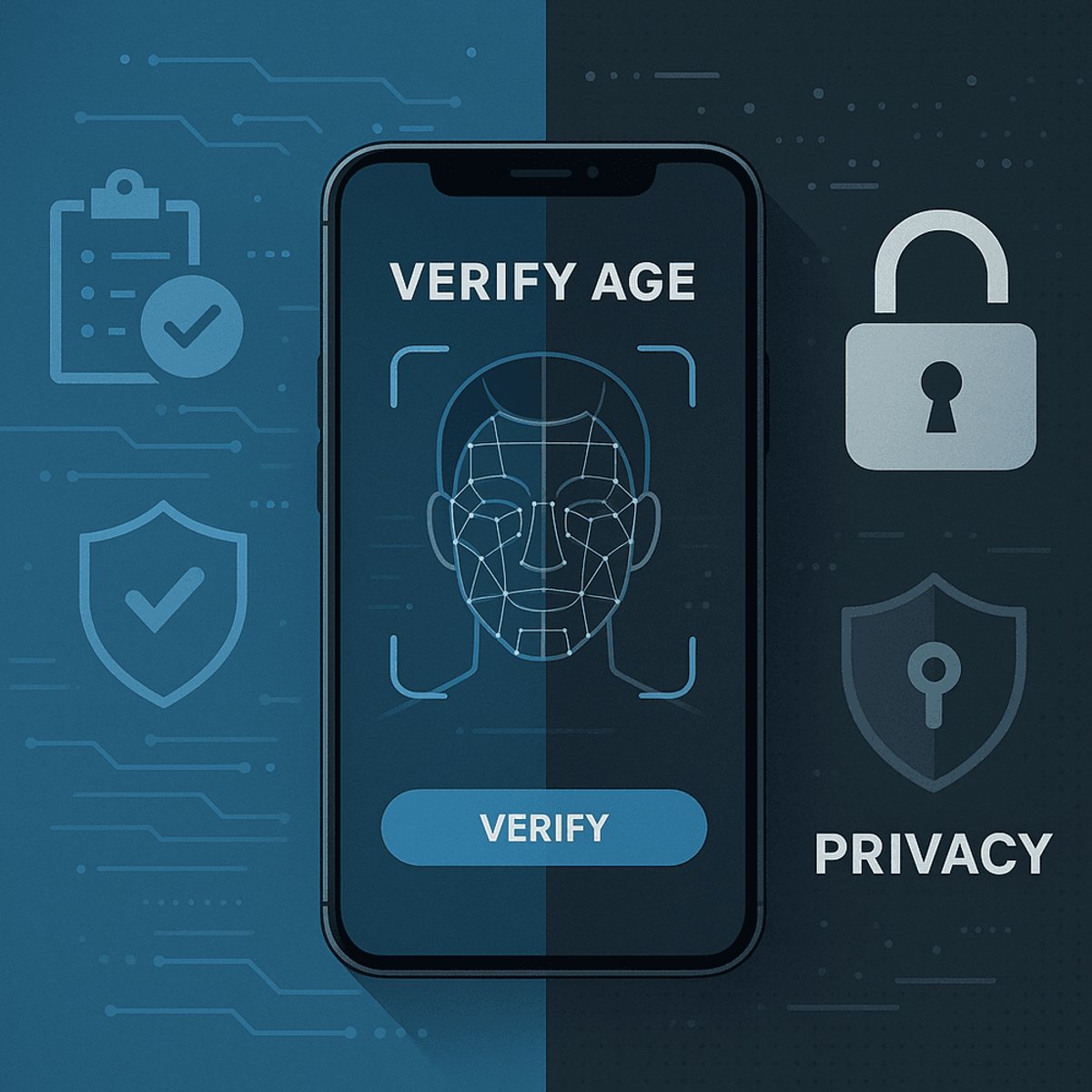
Discord is flipping the script on user safety next month by forcing every single user into a restricted teen mode until they prove otherwise. The chat platform announced Monday it's rolling out mandatory age verification globally starting early March, putting all 200 million-plus monthly users into a "teen-appropriate experience" by default. Want to unblur sensitive content, modify DM settings, or access age-restricted servers? You'll need to scan your face or fork over an ID first.
Discord just made a bet that could reshape how 200 million users experience its platform - and not everyone's going to be happy about it. Starting early March, the chat platform is implementing what it calls "teen-by-default" settings globally, effectively locking every user into a restricted experience until they prove they're adults through facial scanning or government ID verification.
The announcement, made Monday in a press release, marks one of the most aggressive age verification rollouts by a major social platform. Unlike opt-in systems, Discord's approach assumes every user is a minor unless proven otherwise. That means if you want to unblur sensitive content, turn off automatic message filtering from strangers, access age-restricted channels, or even speak on stage in servers, you'll need to verify you're an adult first.
"Rolling out teen-by-default settings globally builds on Discord's existing safety architecture, giving teens strong protections while allowing verified adults flexibility," Savannah Badalich, Discord's head of product policy, said in the announcement. The company frames the move as proactive rather than reactive, though the timing suggests otherwise.
Discord's verification system offers two primary methods. Users can either complete a facial age estimation using video selfies - which the company insists never leave your device - or submit a government-issued ID to Discord's vendor partners. The platform says it plans to add more verification options down the road, and notes that some users might need to use multiple methods when additional confirmation is required.
But here's where things get tricky. Discord disclosed last October that roughly 70,000 users had sensitive data - including government ID photos - potentially exposed after hackers breached a third-party vendor the platform uses for age-related appeals. The breach vindicated concerns from digital rights activists who've long argued that mandatory age verification creates honeypots of sensitive personal data.
Discord insists it's learned from that incident. The company says IDs submitted to vendor partners are "deleted quickly, and in most cases, immediately after age confirmation." That's little comfort for privacy advocates who view centralized age verification as fundamentally risky, regardless of how quickly data gets purged.
The global rollout follows Discord's decision to establish age checks for users in the U.K. and Australia last year. Those regional pilots likely gave the company data on conversion rates and user pushback before going worldwide. The expansion also positions Discord ahead of anticipated regulations. The U.K.'s Online Safety Act and similar legislation in Australia are forcing platforms to implement robust age assurance measures or face significant fines.
Discord isn't alone in this shift. Roblox introduced mandatory facial verification for chat access earlier this year, while YouTube launched age-estimation technology in the U.S. last July to identify teen users. The convergence suggests platforms are preparing for a regulatory environment where age verification isn't optional.
What makes Discord's approach particularly aggressive is the default-deny posture. Every user - including adults who've been on the platform for years - will find themselves in restricted mode come March. That's going to create friction, especially among Discord's core gaming and creator communities who rely on unfettered access to run servers, host events, and manage communities.
The restrictions aren't trivial either. Messages from users you don't know get routed to a separate inbox by default, and only verified adults can change that. Friend requests from strangers trigger warning prompts. Speaking on stage in servers requires adult verification. Age-restricted channels, servers, and app commands remain completely locked. For a platform built on open community formation, these guardrails fundamentally alter the user experience.
Discord's betting that the temporary inconvenience is worth the long-term safety gains. The company says both new and existing users will need to verify to access age-restricted content starting in early March. Expect conversion rates to become a closely watched metric - if too many users refuse to verify, Discord risks fragmenting its network effect.
The move also raises competitive questions. Platforms with lighter verification requirements could see an influx of users unwilling to hand over biometric data or government IDs. That's particularly true for Discord's rivals in gaming chat like Guilded or emerging decentralized alternatives that promise privacy-first architectures.
Regulators will be watching closely too. Discord's default-teen approach could become a template for compliance as governments worldwide grapple with child safety online. If the rollout goes smoothly, expect other platforms to follow. If it backfires - through user revolt, technical failures, or another security breach - it could give ammunition to critics who argue age verification does more harm than good.
Discord's mandatory age verification gambit is about to test whether users value platform access more than privacy concerns. With March's rollout putting every user into lockdown mode until they verify, the company's banking on compliance over controversy. But with 70,000 IDs already compromised in last year's breach and growing regulatory pressure worldwide, this isn't just about teen safety - it's about whether centralized age verification can work at scale without creating bigger problems than it solves. The next few months will show whether Discord's default-deny approach becomes the industry standard or a cautionary tale.