AdHoc Studio, founded by ex-Telltale Games developers, just launched Dispatch - a superhero narrative adventure that ditches the cape-wearing action for office politics. Instead of playing as heroes, you manage them from behind a desk, dispatching reformed villains to emergencies across the city. With Aaron Paul voicing the lead and animation quality rivaling Arcane, it's attracting attention despite limited player agency.
AdHoc Studio is betting that the superhero genre still has room for innovation, but their approach might surprise you. The former Telltale Games developers have created Dispatch, a narrative adventure that completely sidesteps the typical power fantasy of superhero gaming. Instead of suiting up to save the day, you're stuck behind a desk managing the heroes who do the actual saving.
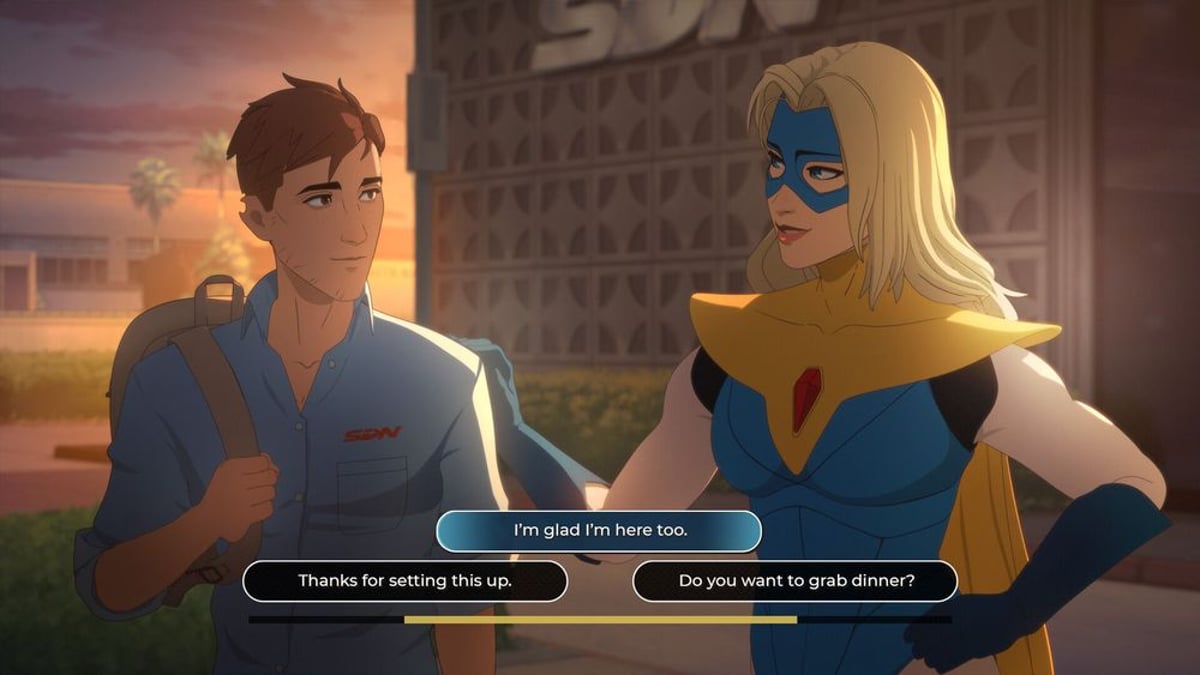
The game puts players in the shoes of Robert Robertson III, voiced by Breaking Bad's Aaron Paul, a down-on-his-luck former hero now working as a dispatcher for the Superhero Dispatch Network. Think 911 operator, but for cape emergencies. When clients call about everything from cats stuck in trees to jewelry heists, Robert decides which reformed supervillain from his misfit team gets the assignment. Do you send the crypto-enthusiast manbat or the charismatic popstar with light powers?
It's a clever premise that feels fresh in an oversaturated superhero landscape. While franchises like Watchmen and The Boys have deconstructed superhero mythology to death, Dispatch finds unexplored territory in the bureaucracy behind the heroics. The writing shines when exploring these office dynamics, with Robert navigating his team of reformed villains through a mix of determination and barely contained annoyance.
But here's where things get complicated. The Verge's review highlights a fundamental tension in Dispatch's design. For a game marketed as choice-driven, player agency feels surprisingly limited. Reviewer Tauriq Moosa noted that replaying the first two episodes with different choices yielded minimal story variations - aside from one bar fight that may or may not knock out a character's tooth.
The technical execution tells a different story entirely. Dispatch delivers animation quality that rivals high-budget shows like Invincible and Arcane, supported by a stellar voice cast including Laura Bailey, Jeffrey Wright, and Travis Willingham. The production values suggest serious investment in bringing this unconventional superhero story to life.
However, the gameplay restrictions run deeper than limited narrative branching. Combat sequences, despite being quick-time events, apparently don't change outcomes whether you participate or ignore them entirely. Players can't even control Robert's basic movements - you're essentially watching an interactive movie rather than playing a traditional adventure game.
This design philosophy puts Dispatch closer to Black Mirror's Bandersnatch than classic point-and-click adventures. The developers seem to have prioritized cinematic storytelling over player agency, which might frustrate gamers expecting meaningful choices. As Moosa put it, these are elements "you can experience as a let's play on YouTube."
The episodic release schedule adds another layer of uncertainty. Only two of eight episodes have launched, with subsequent episodes rolling out weekly through November 12th. Each episode clocks in around 30 minutes, meaning the current content barely scratches two hours total. For a narrative adventure banking on character development and story payoff, that's a thin foundation to judge the complete experience.
AdHoc Studio's pedigree suggests they understand episodic storytelling - many team members worked on Telltale's acclaimed The Walking Dead series. But Dispatch faces different challenges in an increasingly crowded gaming market where players expect substantial content and meaningful interactivity.
The superhero angle provides both opportunity and risk. While the office-based perspective offers fresh narrative possibilities, it also removes many gameplay elements that make superhero games appealing. No flying, no combat, no powers - just management decisions and dialogue trees.
Early player reception will likely determine whether Dispatch's unique approach resonates or falls flat. The game's success hinges on delivering compelling character arcs and story development across the remaining six episodes, since the gameplay mechanics alone don't seem designed to carry the experience.
Dispatch represents an intriguing experiment in superhero storytelling, trading action for office drama and player empowerment for cinematic polish. While the production values and voice acting are undeniably impressive, the restrictive gameplay and limited narrative branching raise questions about whether this approach can sustain player interest across eight episodes. AdHoc Studio has clearly identified an underexplored niche in superhero gaming, but whether that niche translates to commercial success remains to be seen. The real test will come as more episodes release and players discover if the character development and story depth can justify the minimal interactivity.