Electronic Arts just delivered a reality check to The Sims Mobile players - the game's getting unplugged in January 2026. The shutdown comes as EA's mysterious Project Rene prepares to merge PC and mobile gaming into one unified Sims experience, making the current mobile version redundant in the company's evolving strategy.
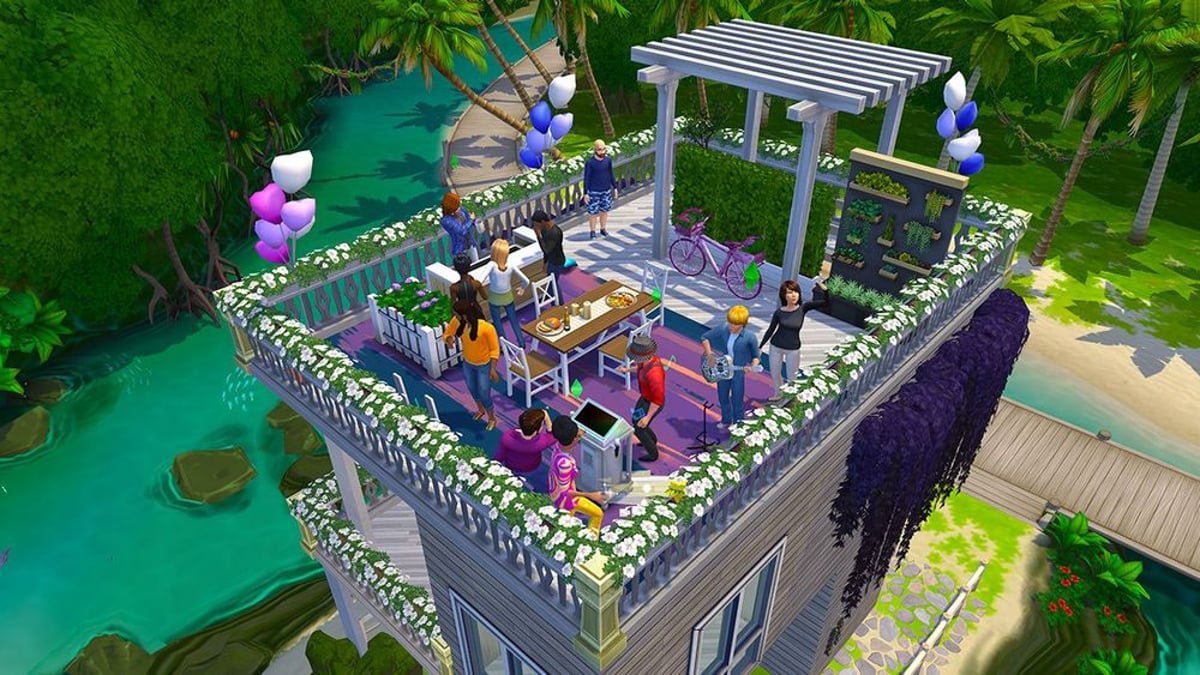
Electronic Arts just dropped the hammer on The Sims Mobile. After seven years of virtual life simulation, the mobile spinoff will shut down completely on January 20, 2026, according to EA's official announcement. The move marks another chapter in the gaming giant's broader franchise evolution - and it's happening right as the company navigates a massive $55 billion acquisition.
The shutdown timeline is aggressive. Starting today, players can't spend real money in the game anymore. Tomorrow, it disappears from both iOS and Android app stores. Then comes the three-month countdown until servers go dark permanently, making the game completely unplayable. It's a clean break from a title that launched in 2018 and received more than 50 updates during its run.
But this isn't just about one mobile game dying. The Sims franchise is in transition mode, and The Sims Mobile has become a casualty of EA's bigger picture. While The Sims 4 continues its steady march with regular content drops, the mysterious Project Rene is positioning itself as the franchise's future. EA hasn't talked much about Project Rene lately, but previous announcements revealed it's designed as both single and multiplayer experience that works across PC and mobile platforms.
That cross-platform strategy essentially makes The Sims Mobile obsolete. Why maintain two separate mobile experiences when Project Rene can handle everything? It's a classic case of product consolidation - streamline the offerings to focus resources on the next big thing. EA's been heading in this direction for a while, though the company's kept Project Rene details under wraps.
The timing isn't coincidental either. EA is currently being acquired in a $55 billion deal led by Saudi Arabia's Public Investment Fund alongside Silver Lake and Affinity Partners. These massive private equity moves typically come with portfolio optimization - cutting underperforming assets while doubling down on blockbuster franchises.
For EA's new owners, The Sims represents a goldmine of recurring revenue potential. The franchise has generated billions through expansion packs, downloadable content, and microtransactions. Project Rene could amplify that by unifying PC and mobile audiences into one ecosystem, potentially increasing player lifetime value and engagement metrics that private equity firms love.
The mobile gaming landscape has also shifted dramatically since 2018. When The Sims Mobile launched, standalone mobile versions of PC franchises made perfect sense. But today's players expect seamless cross-platform experiences. Project Rene's unified approach aligns with this trend - one game, multiple devices, shared progress.
Of course, Project Rene could still face delays or strategic pivots. Game development timelines are notoriously unpredictable, especially for ambitious cross-platform projects. The acquisition could also influence development priorities in unexpected ways. But EA's willingness to shut down The Sims Mobile suggests confidence in Project Rene's timeline and potential.
For The Sims Mobile's existing players, this creates an interesting predicament. Seven years of virtual homes, relationships, and achievements will vanish completely. There's no migration path to other Sims games, no way to preserve progress. It's a clean slate whether players want it or not, which might actually work in Project Rene's favor by eliminating legacy complications.
The Sims Mobile's shutdown isn't just about one game ending - it's a strategic move that signals EA's commitment to Project Rene's unified vision. With new private owners bringing fresh capital and consolidation pressure, expect more portfolio optimization across EA's mobile offerings. The real test comes when Project Rene finally launches and proves whether this cross-platform bet pays off for both players and shareholders.