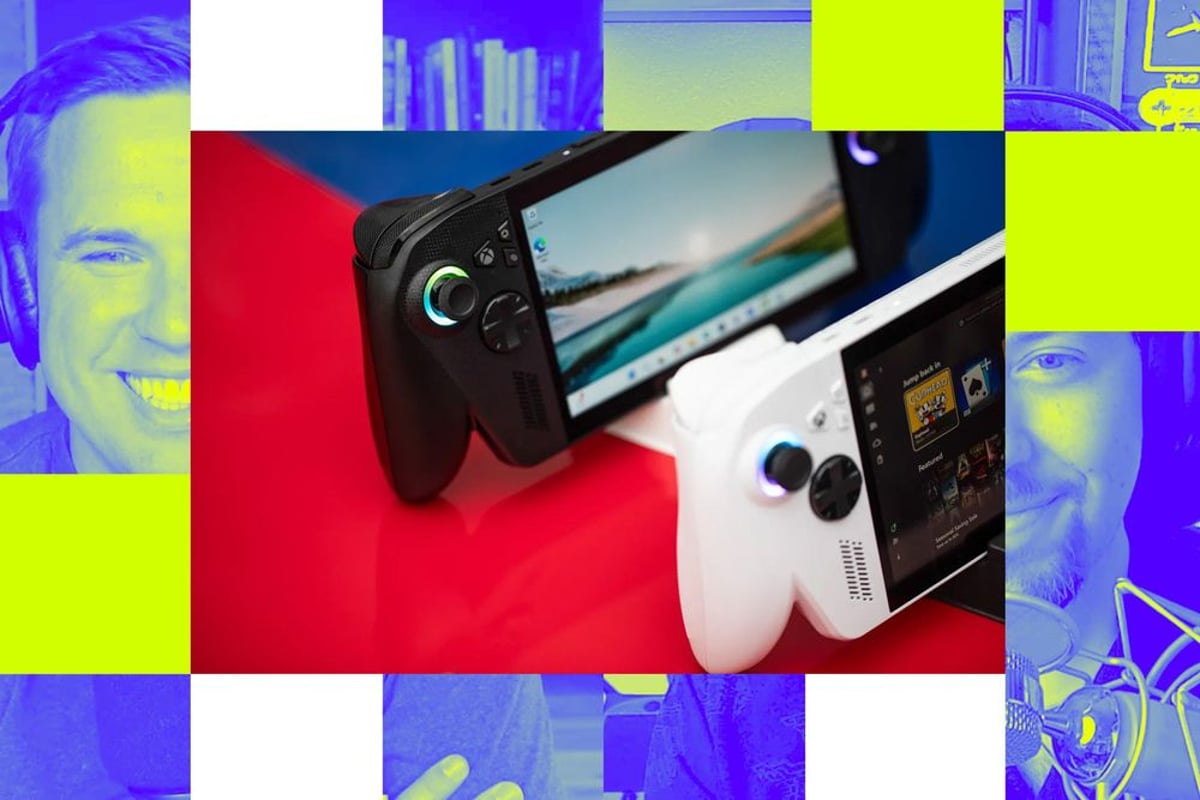
Microsoft's ambitious vision of turning every device into an Xbox is facing its first major reality check. The company's partnership with ASUS on the ROG Ally and Ally X handheld consoles - officially branded Xbox devices - has delivered what The Verge calls a disappointing experience that "largely does not meet expectations." This stumble comes at a critical moment as Microsoft doubles down on its platform-agnostic gaming strategy.
Microsoft's bold proclamation that "everything is an Xbox" just hit its first major snag. The company's partnership with ASUS on the ROG Ally and Ally X handheld gaming devices was supposed to showcase how Xbox could transcend traditional console boundaries, but early reviews suggest the execution falls short of the vision.
The Verge's Sean Hollister delivered a harsh verdict on the devices during the latest Vergecast episode, noting that despite carrying official Xbox branding, "they largely do not meet those expectations." This critique strikes at the heart of Microsoft's gaming transformation - can the company maintain Xbox's quality reputation when it's no longer controlling the hardware?
The timing couldn't be more critical. Microsoft has been aggressively pushing its "This is an Xbox" marketing campaign throughout 2024, positioning phones, TVs, and tablets as Xbox gaming platforms through cloud streaming. The ROG Ally devices represent the next evolution - Windows-powered handhelds that promise console-quality gaming on the go.
But the reality appears messier than the marketing. While Steam Deck has carved out a successful niche with its Linux-based approach, Microsoft's Windows-powered alternative seems to be struggling with the fundamental challenge of cramming a desktop OS into a handheld form factor. The result is devices that technically run Xbox Game Pass but don't deliver the seamless experience Xbox fans expect.
This stumble raises broader questions about Microsoft's platform strategy. The company has been gradually de-emphasizing Xbox hardware sales in favor of subscription growth and cloud gaming expansion. Xbox Game Pass now boasts over 34 million subscribers, and Microsoft has been bringing exclusives to competing platforms like PlayStation and Nintendo Switch.
"Is Microsoft's vision for the future of gaming the correct one? And even if so, can Microsoft pull it off?" The Vergecast hosts questioned. The ROG Ally situation suggests that while the vision might be sound, the execution remains challenging.
The handheld gaming market has exploded since Valve's Steam Deck proved there was demand for portable PC gaming. But success in this space requires more than just slapping familiar branding on Windows hardware. Users expect the polish and optimization that comes with purpose-built gaming systems.
Microsoft's challenge is maintaining Xbox's premium brand identity while expanding to devices it doesn't directly control. The company has built Xbox's reputation on tight hardware-software integration and consistent performance. Licensing that brand to third-party manufacturers introduces variables that could dilute the Xbox experience.
The broader gaming industry is watching closely. Sony continues to dominate with traditional console hardware, while Nintendo has proven that unique form factors can create new gaming categories. Microsoft's bet on ubiquity over exclusivity represents a fundamental shift that could reshape how we think about gaming platforms.
For now, the ROG Ally's lukewarm reception serves as a reminder that brand extension isn't automatic. Microsoft will need to either improve its oversight of Xbox-branded hardware or risk having the Xbox name associated with subpar experiences. The company's cloud gaming ambitions depend on maintaining user trust, something that's hard to build but easy to lose.
Microsoft's Xbox everywhere strategy faces a crucial test as hardware partners struggle to deliver the Xbox experience users expect. The ROG Ally's disappointing reception highlights the challenge of maintaining brand quality while expanding beyond traditional console boundaries. As the gaming industry shifts toward platform-agnostic approaches, Microsoft must prove it can scale its ecosystem without sacrificing the polish that made Xbox a premium brand. The company's cloud gaming future depends on getting this balance right.