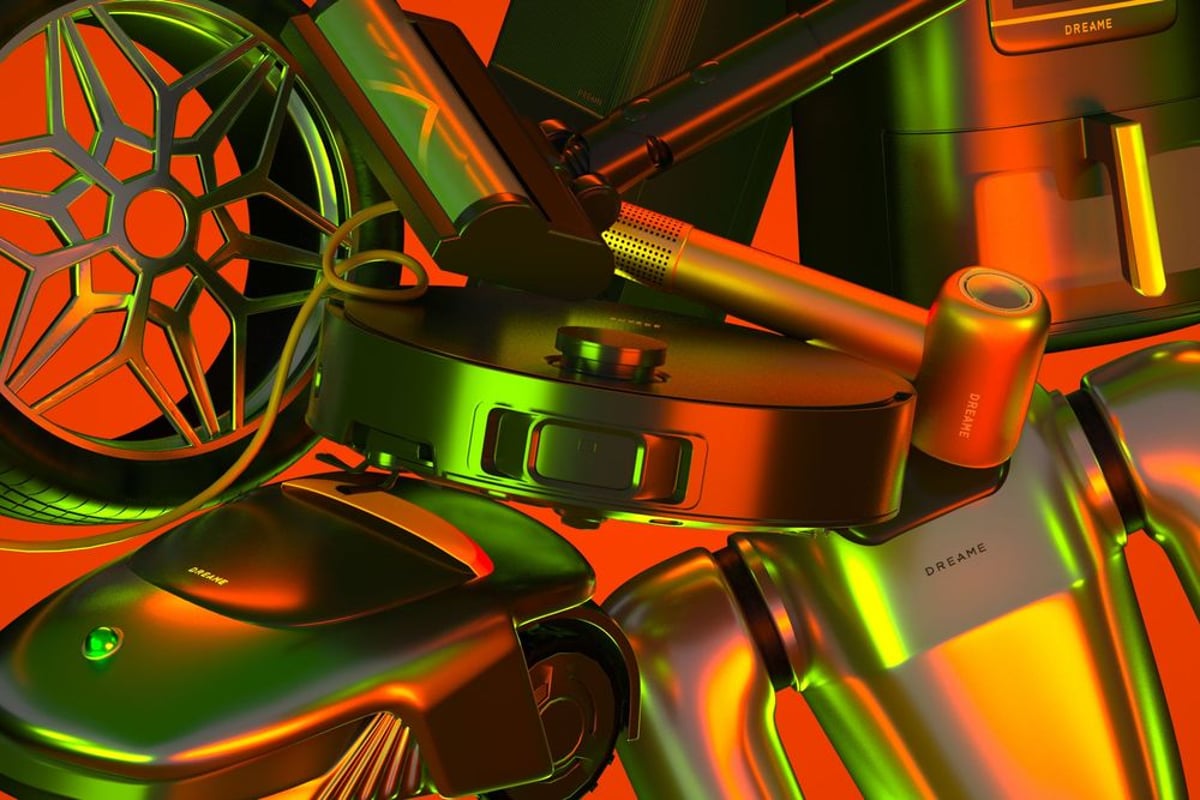
Dreame just spent $10 million on a Super Bowl ad most Americans have never heard of them. The Chinese robot vacuum company isn't just trying to sell floor cleaners - it's announcing plans to become the next global consumer electronics powerhouse, with ambitions stretching from smart home devices to hypercars. It's a bold gamble that could either mark the birth of a tech giant or join the graveyard of expensive marketing flops.
Dreame just made one of the boldest - and riskiest - marketing plays in recent tech history. The Chinese robot vacuum company dropped $10 million on a Super Bowl ad, according to Global Banking and Finance, despite being virtually unknown to most American consumers. It's the kind of move that either launches a global brand or becomes a cautionary tale whispered in marketing departments for years to come.
The 30-second spot didn't just pitch robot vacuums. Dreame used its precious airtime to promise a sweeping product evolution that would make even the most ambitious tech CEOs blush - starting with home cleaning robots and ending with hypercars. It's an audacious vision that positions the company as China's answer to Tesla, complete with a CEO who apparently wants to be the Chinese Elon Musk.
This isn't just about selling more floor cleaners. Dreame is attempting something far more ambitious: using a single product category as a launchpad for total consumer electronics domination. The playbook should sound familiar - it's essentially what Apple did with the iPod, Amazon did with books, and Tesla did with the Roadster. Start with one thing, do it well, then expand into everything.
But here's the catch - all those companies built their brands over years before making massive advertising bets. Dreame is trying to skip that step entirely, jumping straight from regional vacuum maker to would-be global powerhouse. The company is betting that American consumers will accept a brand-new Chinese tech company into their homes based on a single Super Bowl appearance.
The timing is particularly interesting. Chinese tech companies have had a rocky relationship with Western markets lately, facing increased scrutiny over data privacy and geopolitical concerns. Yet Dreame seems to be betting that consumer electronics - especially unsexy products like robot vacuums - can fly under the radar where social media apps and telecommunications equipment can't.
The hypercar promise is where things get really wild. Dreame isn't just talking about entering the EV market; they're specifically targeting the ultra-premium hypercar segment. It's a statement of intent that screams ambition rather than practicality. After all, companies like Dyson famously spent billions trying to crack the EV market before giving up entirely.
Industry watchers are split on whether this strategy has any chance of success. On one hand, Chinese manufacturers have proven they can compete on hardware quality and price. Companies like Xiaomi have successfully expanded from phones into everything from scooters to rice cookers. On the other hand, the graveyard of companies that burned through cash on Super Bowl ads is well-populated - just ask Quibi, which spent big on the big game before shutting down months later.
What makes Dreame's bet particularly risky is the product category itself. Robot vacuums are already a crowded market dominated by iRobot's Roomba brand, with strong competition from other Chinese manufacturers like Roborock and Ecovacs. Breaking through that noise requires more than just a flashy ad - it demands either revolutionary technology or unsustainably low prices.
The Super Bowl ad strategy also reveals something about Dreame's target market. They're not trying to win over early adopters or tech enthusiasts first. They're going straight for mainstream American consumers, the kind who make purchasing decisions while watching football and scrolling through their phones during commercial breaks.
What happens next will determine whether this was brilliant or reckless. If Dreame can convert that $10 million in exposure into actual sales, they'll have validated a new playbook for Chinese tech companies looking to break into Western markets. If not, it'll be remembered as an expensive lesson in why brand-building usually comes before Super Bowl advertising.
Dreame's $10 million Super Bowl gamble represents a fascinating test case for whether Chinese tech companies can buy their way into American consciousness. The company is betting that one expensive ad can do what usually takes years of brand-building, while simultaneously announcing ambitions that stretch from robot vacuums to hypercars. Whether this marks the beginning of a new global tech powerhouse or just another expensive marketing misfire won't be clear for months. But one thing's certain - Dreame just put itself on the map, and now it has to prove it belongs there.