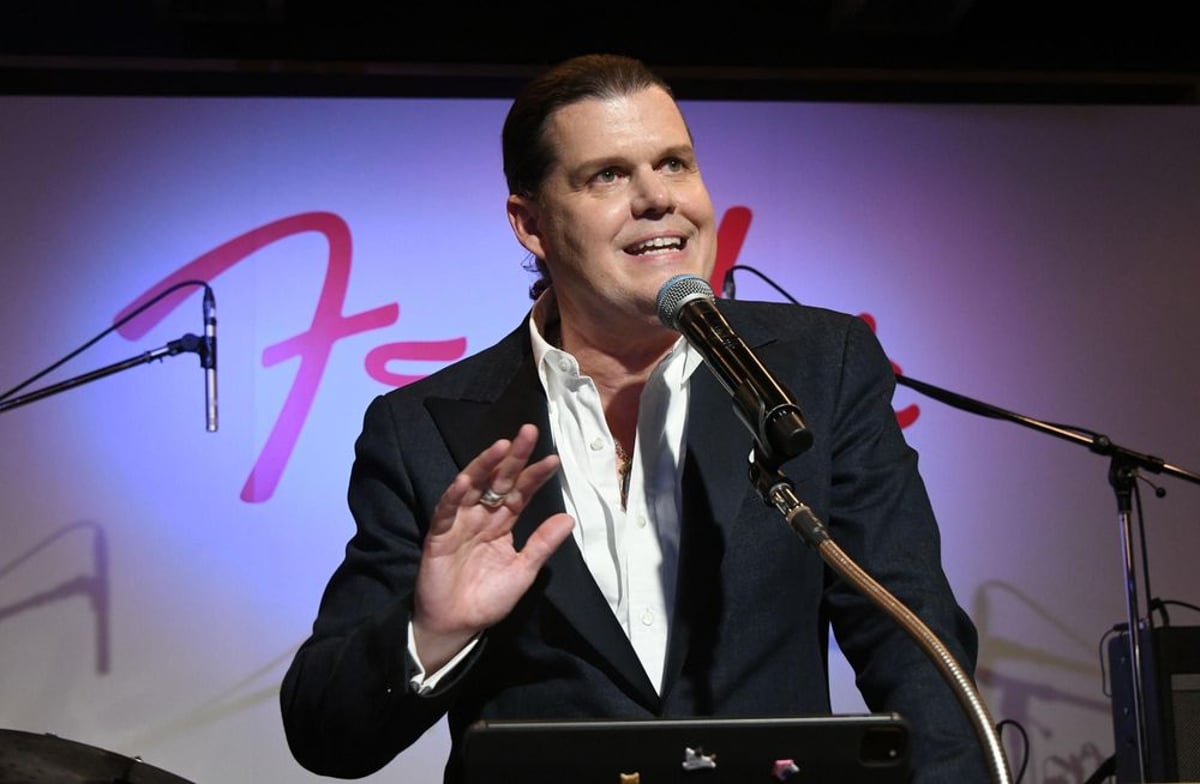
Fender CEO Edward 'Bud' Cole is facing a PR firestorm after comments comparing bandmates to 'analog AI' resurfaced from a May interview with T3. The remarks, initially overlooked during the Telecaster's 75th anniversary celebration, are now amplifying backlash against the guitar giant's aggressive copyright enforcement campaign targeting custom builders over the iconic Stratocaster body shape. The controversy has prominent YouTubers publicly boycotting Fender gear and raises questions about how legacy brands navigate AI debates while protecting intellectual property.
Fender is learning the hard way that bad timing can turn a throwaway comment into a full-blown crisis. CEO Edward 'Bud' Cole sat down with T3 magazine back in May to celebrate 75 years of the legendary Telecaster, but his musings on AI and music barely registered at the time. Now those same remarks are ricocheting across the guitar community like feedback through a overdriven amp, and the company's already battered reputation is taking another hit.
The interview initially flew under the radar during what should have been a victory lap for one of music's most iconic instruments. But as Guitar.com and Guitar World started circulating Cole's AI comparisons in recent weeks, the comments landed like a gut punch to a community already reeling from Fender's legal offensive against small builders.
The timing couldn't be worse. Fender has spent the past months systematically sending cease-and-desist letters to custom guitar builders, claiming copyright protection over the Stratocaster's distinctive body shape. The campaign has united the typically fragmented guitar world in opposition, with builders and players arguing that the design has become fundamental to guitar culture itself. When prominent YouTubers started posting their reactions and analyses, the backlash went from industry grumbling to mainstream controversy.
The cease-and-desist wave has triggered an unprecedented response from content creators who drive substantial influence over gear purchasing decisions. These aren't casual hobbyists - they're the tastemakers who shape what hundreds of thousands of guitarists buy, play, and recommend. When influential voices like producer Rick Beato announce they're done buying Fender gear, that's not just symbolic protest. It's a tangible business threat to a company that depends on community goodwill and aspirational branding.
Cole's AI analogy, whatever its original context, reads tone-deaf against this backdrop. Comparing human collaboration and musical interpretation to algorithmic processes touches a raw nerve for musicians already anxious about AI's role in creative industries. The guitar community has watched AI music generators proliferate, seen algorithms attempt to replicate playing styles, and worried about their craft being reduced to training data. Having a CEO from music's most storied brand seemingly validate that reduction - even unintentionally - feels like betrayal.
The dual controversies reveal a deeper strategic contradiction. Fender is simultaneously trying to protect IP from human builders who've spent decades honing craft traditions while its leadership employs language that appears to diminish human creativity's unique value. It's a messaging disaster that no amount of anniversary celebration can offset.
What makes this particularly damaging is how it undermines Fender's cultural positioning. The company doesn't just sell instruments - it sells heritage, authenticity, and connection to rock and roll mythology. When Jimi Hendrix, Eric Clapton, or Stevie Ray Vaughan played Stratocasters, they weren't interchangeable 'analog AI' units. They were artists whose distinctive voices came through those instruments. Reducing that relationship to a mechanical analogy strikes at the heart of what makes Fender valuable beyond its patents and production capacity.
The backlash also highlights how legacy brands struggle to navigate AI conversations without alienating core customers. Tech companies can experiment with provocative AI positioning because their audiences expect disruption. But Fender's customers treasure continuity, craftsmanship, and the irreplaceable nature of human musicianship. Any suggestion that players or songs could be algorithmically replicated runs counter to everything the brand represents.
Small builders affected by the cease-and-desist campaign are watching this PR implosion with a mixture of vindication and concern. Many have built businesses precisely because they offer alternatives to mass production - custom work, personal relationships, and designs that honor tradition while adding individual voice. Fender's legal theory essentially argues the Stratocaster shape is proprietary. But the cultural argument - that this design belongs to guitar history itself - is gaining momentum as the CEO's comments fuel broader questions about the company's values.
The YouTube response has been particularly brutal because video creators can dedicate 15-20 minute segments to dissecting both the legal overreach and the philosophical disconnect. Unlike fleeting social media outrage, these videos create permanent reference points that shape community sentiment for years. Every time someone searches for Fender gear reviews, they'll encounter this controversy.
Fender hasn't issued substantive responses addressing either the IP campaign's scope or clarifying Cole's AI remarks. The silence is starting to look like strategy paralysis - unsure whether to double down on IP protection, walk back the enforcement, or attempt damage control on the CEO's comments without undermining the anniversary marketing the interview was meant to support.
For an industry already grappling with AI's implications for music creation, distribution, and monetization, this controversy serves as a case study in what not to do. Musicians don't need their instruments' manufacturers dismissing human collaboration as a primitive version of algorithms. They need partners who understand that creativity isn't a process to be optimized but an expression that technology should serve, not replace.
Fender's compounding crises illustrate how quickly heritage brands can alienate their core communities when IP enforcement and executive messaging collide with cultural values. The company now faces a choice: continue aggressive legal action while its CEO's words undermine the human artistry that makes those designs valuable, or recognize that some intellectual property becomes cultural property through decades of shared creative expression. As guitarists increasingly look to smaller builders who speak their language and respect their craft, Fender's market dominance may prove less durable than the instruments that built its reputation. The real test isn't whether the Stratocaster shape deserves legal protection - it's whether Fender still deserves the loyalty of the musicians who made that shape iconic.