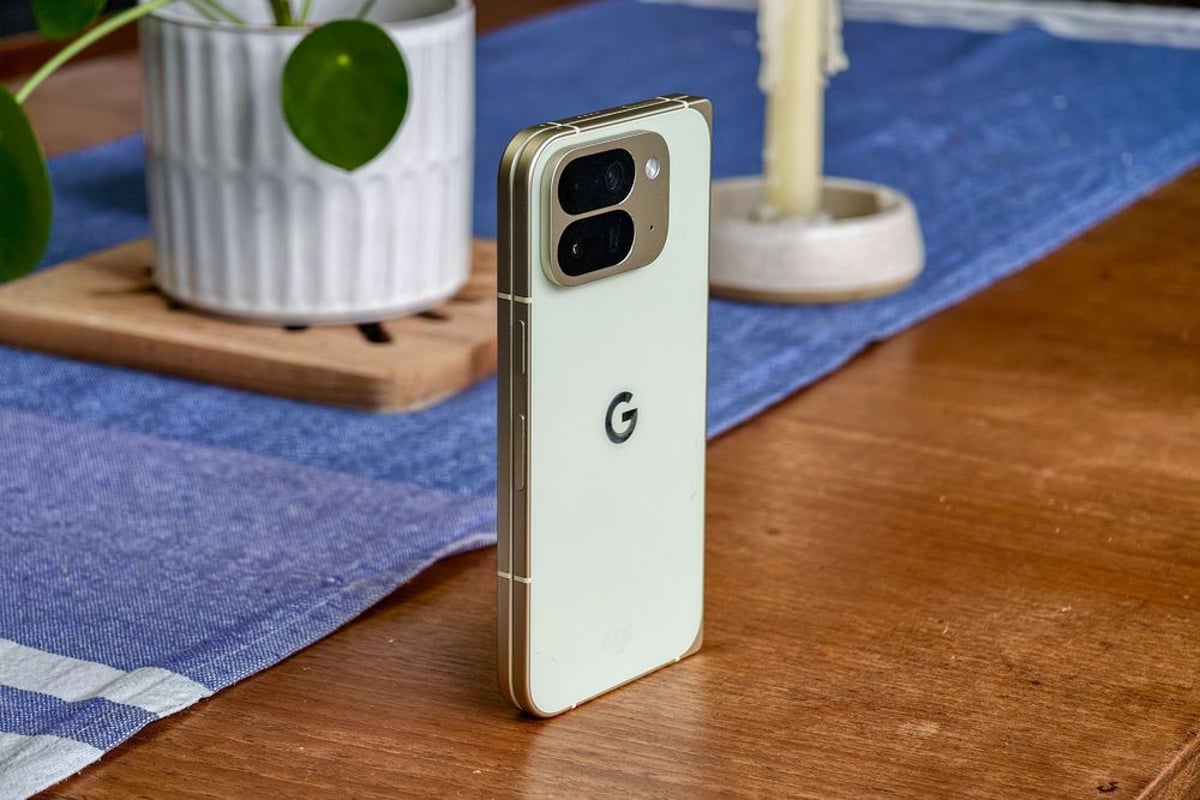
Google is breaking new ground by letting 15 superfans test unreleased Pixel phones in the wild through its new 'Trusted Tester' program. The unprecedented move comes as the company embraces a strategy of controlled engagement with its most passionate users rather than fighting inevitable leaks that have plagued every Pixel launch for years.
Google is about to turn its biggest weakness into a strength. After years of watching Pixel phones get thoroughly leaked before official announcements, the company is launching something unprecedented: letting 15 superfans test unreleased devices while they're still in development.
According to Bloomberg's report, Google hasn't officially confirmed the program yet, but the publication has reviewed official rules for what's called 'The Trusted Tester program.' The 15 winners will 'help shape a Pixel phone currently in development' - a level of external access that's virtually unheard of in the smartphone industry.
The logistics reveal just how seriously Google is taking this experiment. Participants must sign NDAs and agree to use the phones in special protective cases designed to disguise them in public. It's the kind of operational security typically reserved for internal employees, not external fans.
While companies routinely let their own staff test unreleased hardware in disguised cases, and focus groups happen behind closed doors all the time, giving fans actual development hardware to take home represents a dramatic shift. The move suggests Google has calculated that controlled fan engagement poses less risk than the current state of affairs.
And honestly, what's the downside? Multiple generations of Pixel phones have been publicly unboxed, disassembled, and even reviewed before Google could show them off. The leak problem has become so predictable it's practically a meme.
Recent years have seen Google adopt a "if you can't beat 'em, join 'em" approach, preemptively revealing its own phones to control the narrative. The Trusted Tester program feels like the natural evolution of this strategy - turning potential leakers into official collaborators.
The program targets members of Google's existing Pixel Superfans group, making eligibility relatively exclusive. But key details remain murky: when fans can enter, which specific phone they'll test, or when devices might reach their hands.
Google's silence on the matter - the company didn't respond to requests for comment - suggests this initiative might still be in planning phases. But the mere existence of official program rules indicates serious internal momentum.
The timing feels strategic too. As smartphone innovation slows and differentiation becomes harder, direct user feedback during development could provide genuine competitive advantages. Rather than guessing what fans want, Google could get real-world usage data from its most passionate users.
It wouldn't surprise anyone if Google eventually allows some participants to share controlled previews publicly, turning the Trusted Tester program into a marketing channel rather than just product development. After all, who better to generate authentic enthusiasm than genuine superfans who've helped shape the final product?
The broader implications extend beyond just Google. If this experiment succeeds, other manufacturers might follow suit, potentially transforming how consumer electronics get developed and marketed. The era of complete pre-launch secrecy might be ending, replaced by strategic community involvement.
Google's Trusted Tester program represents a fascinating pivot from fighting leaks to embracing controlled fan engagement. By giving 15 superfans early access to development hardware, the company transforms potential security risks into product development assets. Whether this experiment succeeds could influence how the entire industry approaches pre-launch secrecy and community involvement. For now, Pixel superfans have something new to anticipate beyond just the next inevitable leak.