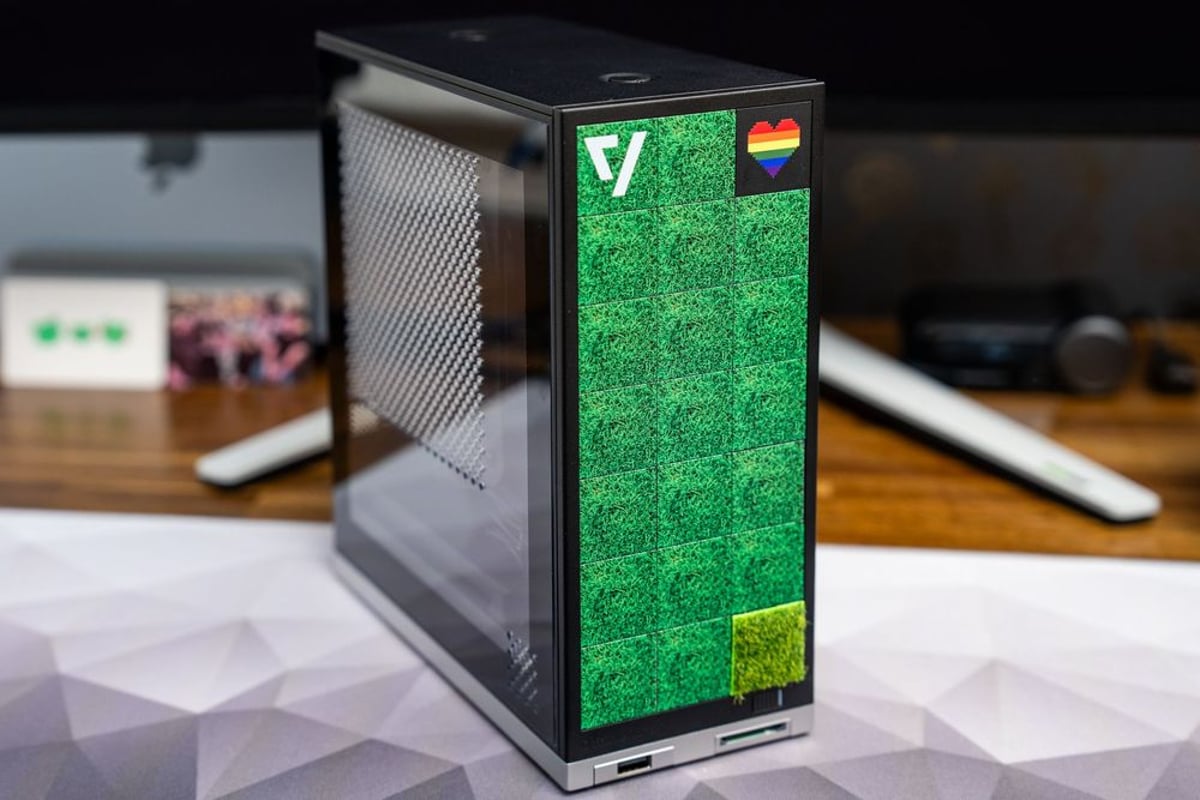
Framework, the modular PC maker beloved by right-to-repair advocates, just raised RAM and storage prices for the fourth consecutive month as the global memory crisis dubbed "Ramageddon" tightens its grip. DDR5 memory now costs $13 to $18 per GB, up from February's $12 to $16 range, while the company's Framework Desktop base configuration jumped to $1,269 - an 11% increase since January. The price hikes stem from depleted inventory of cheaper older stock and ongoing supply constraints hitting the entire PC industry.
Framework can't catch a break. The modular PC company that's won hearts in the right-to-repair community is hitting customers with its fourth consecutive monthly price increase, and this time the pain is spreading beyond just RAM.
According to a company blog post published Tuesday, DDR5 memory now costs between $13 and $18 per gigabyte - up from February's already elevated $12 to $16 per GB range. But the bad news doesn't stop there. Framework is also "re-pricing some capacities" of storage as older inventory runs dry and more expensive stock takes its place.
The cascading price hikes hit Framework's desktop lineup particularly hard. The base configuration of the Framework Desktop now rings in at $1,269, compared to January's $1,139 price point - that's a $130 jump in just two months. Pre-built configurations are seeing similar increases as the company passes supplier costs directly to consumers.
Framework's transparency about the situation offers a rare window into how supply chain pressures flow through to retail pricing. While bigger OEMs can absorb some volatility through bulk purchasing and inventory buffers, Framework's leaner operation means market fluctuations hit faster and harder.
The root cause? A global memory shortage that industry watchers have dubbed "Ramageddon". Supply constraints from major memory manufacturers have created a squeeze that's affecting everything from smartphones to laptops to desktop PCs. Framework's situation serves as a canary in the coal mine for broader consumer hardware pricing trends.
What makes Framework's position particularly tricky is its business model. The company built its reputation on modular, repairable designs that let users upgrade individual components rather than replacing entire machines. But when those individual components spike in price, the value proposition gets complicated. A customer looking to upgrade their Framework laptop's RAM now faces steeper costs than they would have just months ago.
The storage price adjustments add another wrinkle. While Framework didn't specify exact figures for storage increases, the move signals that memory isn't the only component category feeling pressure. The company explicitly tied storage re-pricing to depleted inventory of "older, less expensive" stock - suggesting newer production batches are commanding higher prices from suppliers.
For Framework, which positions itself as a more sustainable alternative to traditional PC makers, the pricing spiral creates a messaging challenge. The whole pitch relies on long-term value through upgradability and repairability. But if component costs keep climbing, that math gets harder to sell to consumers weighing whether to buy now or wait.
The broader PC market is watching Framework's moves closely. While the company remains a relatively small player, its direct-to-consumer model and transparent communication make it an early indicator of industry trends. If Framework is on its fourth consecutive price increase, larger manufacturers with more complex supply chains and longer lead times may be absorbing similar pressures - or preparing to pass them along.
Framework hasn't indicated when or if prices might stabilize. The company's blog post frames the situation as an ongoing market volatility issue rather than a temporary spike, suggesting customers shouldn't expect relief anytime soon. That's consistent with broader industry signals about memory supply remaining constrained through at least mid-2026.
The question now is whether Framework's core customer base - tech enthusiasts who value repairability and modularity - will stick with the platform despite rising costs, or start looking at alternatives from traditional OEMs who may be better positioned to weather the supply storm.
Framework's fourth consecutive price hike is more than just bad news for modular PC fans - it's a signal that the memory supply crisis is deepening and spreading beyond RAM into storage and other components. For a company built on the promise of affordable upgradability, these increases test whether customers will stick with the platform despite rising costs. As larger PC makers likely face similar pressures behind closed doors, Framework's transparent approach offers a preview of where consumer hardware pricing may be headed in the coming months. The real test comes if prices stay elevated long enough to fundamentally shift how consumers think about PC purchases and upgrades.