Google is joining Microsoft in publicly reassuring customers that Anthropic's Claude AI models remain fully available for commercial use, despite the Department of Defense adding the AI startup to its blacklist. The coordinated messaging from the two largest cloud providers signals an industry-wide effort to minimize disruption after the Pentagon's controversial decision sent shockwaves through enterprise AI deployments. For thousands of businesses running Claude through Google Cloud and Azure, the message is clear: it's business as usual, at least outside defense contracts.
Google just threw its weight behind Anthropic, becoming the second major cloud provider to publicly confirm that the AI startup's popular Claude models remain available despite Pentagon restrictions. The move comes just days after Microsoft issued a similar statement, revealing a coordinated industry response to what could have been a devastating blow to enterprise AI adoption.
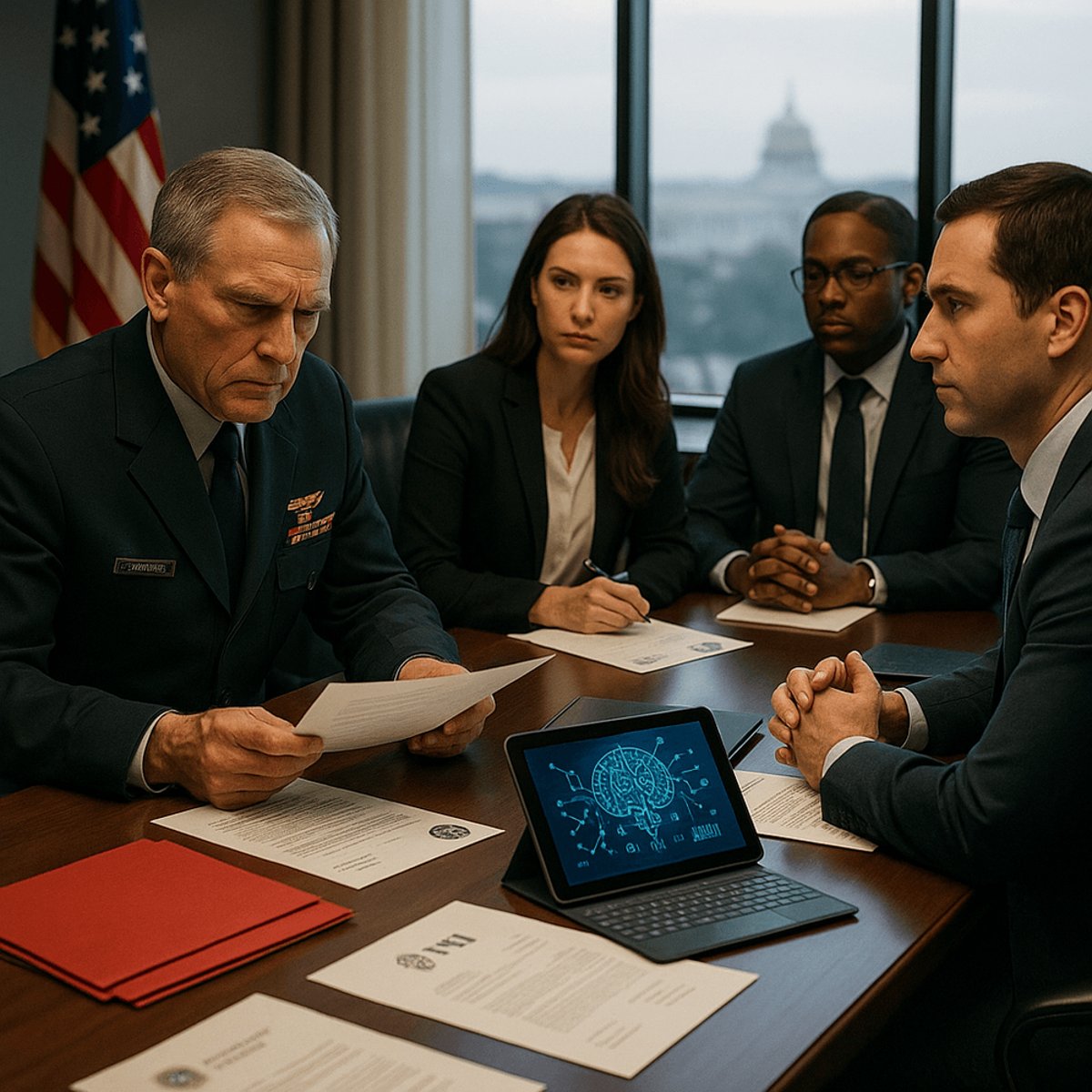
The Department of Defense quietly added Anthropic to its restricted entities list earlier this week, effectively banning defense contractors and government agencies from deploying Claude in sensitive projects. The decision caught the industry off guard, particularly given Anthropic's reputation for AI safety and its backing from Google, which invested $2 billion in the startup last year.
But the blacklist doesn't extend to commercial applications, and both Google and Microsoft are making sure their customers know it. According to sources familiar with the matter, both companies have been fielding anxious calls from enterprise customers worried about compliance risks and potential service disruptions. The public statements appear designed to head off a potential exodus to competitors like OpenAI, whose models remain unrestricted.
The timing is particularly sensitive for Google Cloud, which has aggressively marketed Claude as a differentiator against Amazon Web Services and Microsoft Azure. Google's $2 billion investment gave it preferred cloud provider status for Anthropic, and losing that advantage to regulatory concerns would be a significant strategic setback. The company's quick public response suggests it's treating this as a potential crisis that needs immediate containment.
Microsoft's position is slightly different but equally urgent. Azure customers can access Claude through Anthropic's API, and the company has been promoting multi-model AI strategies that include Anthropic alongside OpenAI and its own models. Any perception that Anthropic models carry regulatory risk could undermine that pitch to enterprise buyers who are already navigating a complex compliance landscape.
The Pentagon's decision to blacklist Anthropic reportedly stems from concerns about the company's research partnerships and data handling practices, though official details remain scarce. Defense Department officials have declined to comment beyond confirming the listing. Industry insiders suggest the move reflects growing anxiety in Washington about AI supply chain security, particularly as China ramps up its own AI capabilities and companies face pressure to choose sides in an escalating tech cold war.
For Anthropic, the blacklist is more reputational than financial, at least in the short term. The defense market represents a small fraction of the company's revenue, and its core business serving enterprises through cloud platforms remains intact. But the incident highlights the precarious position of AI startups caught between commercial ambitions and increasingly politicized regulatory environments.
The coordinated response from Google and Microsoft also reveals how dependent the AI ecosystem has become on a handful of major cloud providers. When the Pentagon acts, these companies become the de facto interpreters of policy for thousands of downstream customers who lack the resources to navigate complex compliance requirements themselves. That's a powerful position, but also a delicate one as geopolitical tensions continue to reshape technology markets.
Some analysts see the episode as a preview of harder choices ahead. If tensions with China escalate or if regulators impose stricter controls on AI technology, cloud providers may face pressure to drop certain models or restrict access to specific customers. The fact that both Google and Microsoft moved quickly to clarify Anthropic's status suggests they're acutely aware of how fast trust can erode in enterprise markets.
What happens next depends partly on whether other government agencies follow the Pentagon's lead. If the Commerce Department or other regulators expand restrictions on Anthropic, the calculus changes dramatically. For now, though, the message from the cloud giants is clear: Claude is still open for business, as long as you're not building weapons systems.
The rapid response from Google and Microsoft shows how quickly cloud providers are learning to navigate the intersection of AI innovation and national security politics. For enterprise customers, the immediate takeaway is reassuring: Claude remains available for commercial work. But the broader lesson is more unsettling. As governments worldwide treat AI as strategic infrastructure rather than just another software category, the clean separation between commercial and defense applications is becoming harder to maintain. Companies betting big on AI need to factor regulatory risk into their vendor strategies, because the next blacklist might not come with such convenient carve-outs. What's clear is that Google and Microsoft aren't waiting to find out, they're already building the playbook for managing AI in an era of digital protectionism.