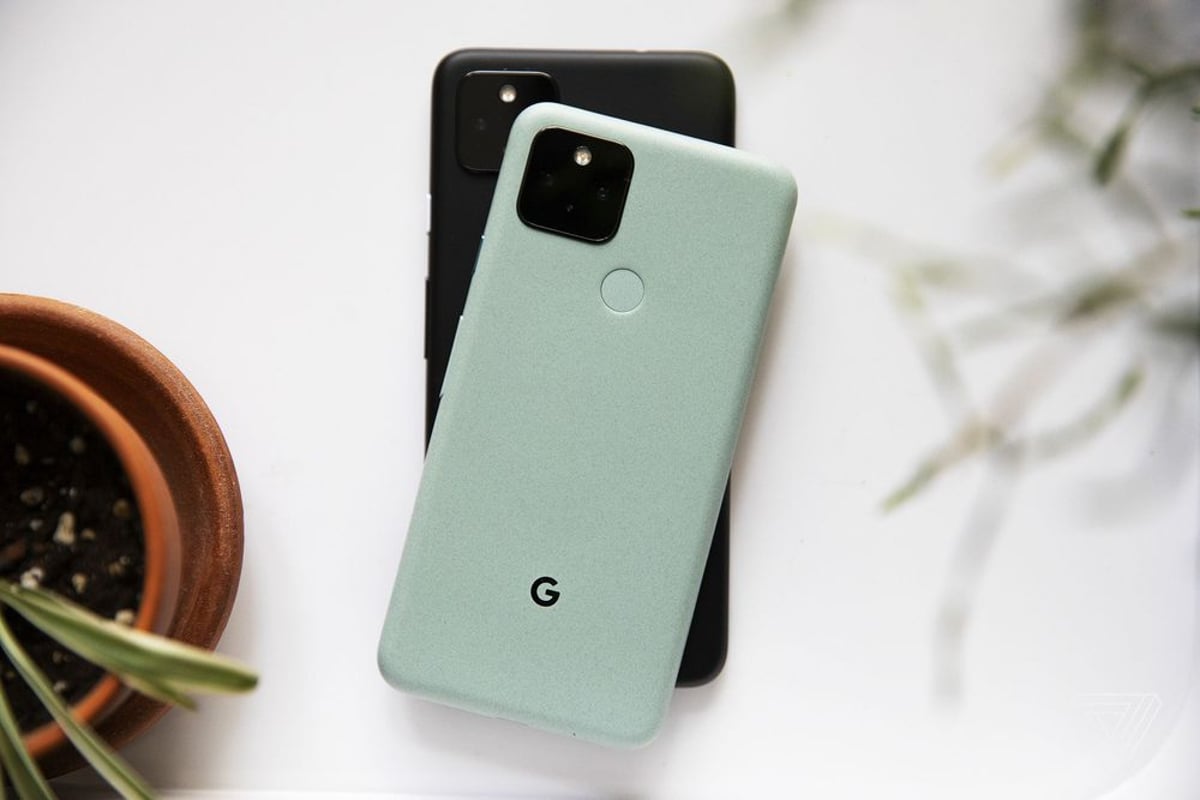
Google just pulled the plug on a popular Phone app feature after users discovered their microphones were secretly broadcasting to callers. The company is disabling Take a Message and next-gen Call Screen on Pixel 4 and 5 devices following reports that the AI-powered voicemail tool was inadvertently streaming ambient audio during missed calls. While Google says the bug affects only a "very small subset" of legacy devices, the incident marks another privacy stumble for the search giant's consumer hardware division.
Google is scrambling to contain a privacy breach affecting its older Pixel smartphones after users discovered a feature designed to make life easier was instead broadcasting their private conversations. The company confirmed it's disabling Take a Message and advanced Call Screen capabilities on Pixel 4 and Pixel 5 devices following reports that microphones were activating without user consent during missed calls.
The issue centers on Take a Message, an AI-powered feature Google rolled out last year that automatically answers incoming calls you miss, prompts the caller to leave a message, and transcribes the voicemail in real-time. But instead of just recording the caller's message, some Pixel 4 and 5 owners discovered the feature was doing something far more troubling - it was turning on their device's microphone and streaming ambient audio back to the person on the other end of the line.
One Pixel owner on Reddit described the unsettling experience: "It was as though I picked up the phone, except I had done nothing. It just passively started recording me and sending audio to the caller." The user noticed the microphone privacy indicator lighting up at the top of their screen after missing a call, alerting them that audio was being captured. Callers reportedly didn't hear the usual voicemail greeting - instead, they could hear room sounds and conversations happening near the phone.
The revelation triggered alarm bells across Pixel communities, with users questioning how long the bug had existed and how many private moments might have been inadvertently broadcast. Google community manager Siri Tejaswini addressed the concerns on a support page, acknowledging the company had investigated and "confirmed affects a very small subset of Pixel 4 and 5 devices under very specific and rare circumstances."
Rather than attempt a surgical fix, Google opted for the nuclear option. "Out of an abundance of caution, we're disabling Take a Message and next-gen Call Screen features from these devices," Tejaswini stated. The move effectively strips affected Pixel owners of features that were marketed as premium differentiators for Google's smartphone lineup.
The incident is particularly awkward timing for Google, which has been pushing AI-powered phone features as a key selling point across its Pixel ecosystem. Take a Message represented the kind of practical AI application that actually solves real problems - when it works as intended. The feature uses on-device machine learning to transcribe messages in real-time, letting users read what callers are saying before deciding whether to pick up.
But the privacy implications of the bug are serious. In an era when tech companies face intense scrutiny over data collection and surveillance, a feature that accidentally turns phones into hot mics is precisely the kind of failure that erodes consumer trust. While Google insists the issue affected only legacy hardware under rare conditions, the company hasn't disclosed how many users were impacted or whether any sensitive conversations were compromised.
For now, Pixel 4 and 5 owners who relied on Take a Message will have to fall back on manual Call Screening or traditional carrier voicemail. Google hasn't said whether the features will eventually return to these devices or if the hardware limitations that caused the bug make restoration impossible. The company also hasn't addressed whether similar issues might affect newer Pixel models running the same underlying software.
The broader question is whether this represents a one-off hardware quirk or a symptom of rushing AI features to market before they're fully tested. Google has been aggressive about deploying machine learning across its product lineup, from photo editing to call management. When these features work, they feel like magic. When they fail, they can violate the most basic expectation users have of their devices - that they won't broadcast private moments without permission.
What started as a convenience feature turned into a cautionary tale about the risks of AI-powered automation. While Google moved quickly to disable the problematic features, the incident raises uncomfortable questions about how thoroughly these AI tools are tested before shipping to consumers. For Pixel 4 and 5 owners, the loss of Take a Message is an annoying downgrade. For Google, it's another reminder that when privacy features malfunction, the consequences extend far beyond a single bug fix.