Google is preparing a major overhaul of its smart home lineup with 2K video recording, Gemini AI integration, and eye-catching new colors including "berry" red for indoor cameras. The leaked devices signal Google's push to compete with premium security systems while making AI surveillance accessible to mainstream consumers.
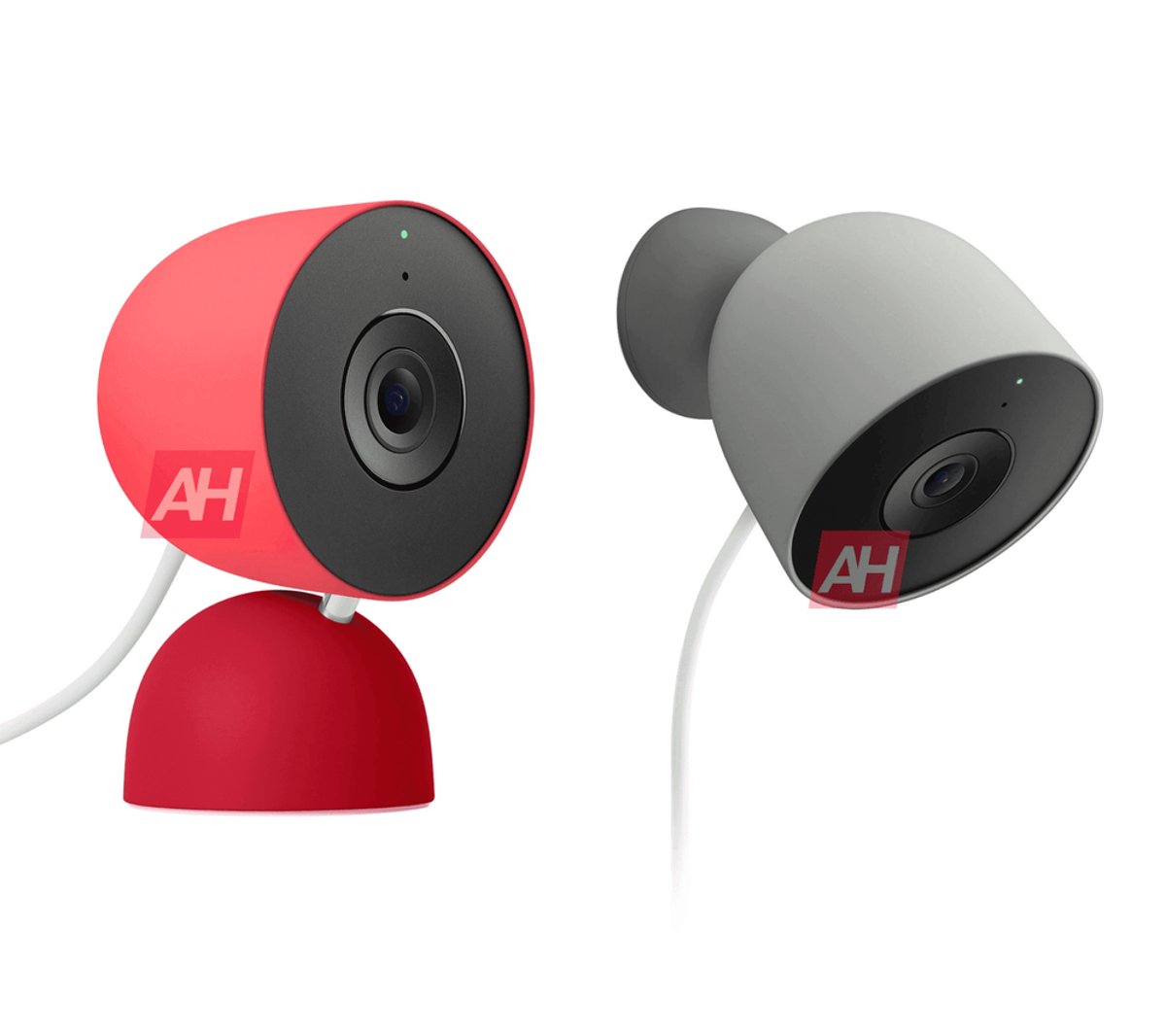
Google just scrambled the smart home security game with leaked details of its next-generation Nest camera lineup, and the upgrade feels like a direct shot at premium competitors like Ring and Arlo. According to exclusive reporting from Android Headlines, the tech giant is jumping from 1080p to crisp 2K video recording across its new camera family while injecting Gemini AI capabilities that promise to transform how homeowners monitor their properties.
The most striking change isn't technical—it's visual. Google's breaking from its traditionally conservative color palette with a bold "berry" red option for the indoor-wired Nest Cam, joining the expected white and gray variants for battery-powered models. It's a design gamble that signals Google's confidence in making security cameras less utilitarian and more like intentional home decor, following Apple's playbook of making tech beautiful enough to display proudly.
But the real disruption lies in the AI integration. The leaked Nest Doorbell will feature "Daily Summaries" powered by Gemini, automatically generating recaps of recorded events throughout the day. This isn't just motion detection alerts—it's intelligent surveillance that can potentially distinguish between a delivery driver, a neighbor, and a potential security concern without requiring homeowners to scroll through hours of footage. The feature positions Google ahead of competitors still relying on basic motion triggers and manual review.
The timing aligns with Google's broader smart home strategy revealed during the recent Pixel 10 launch event, where a new Google Home Speaker made a surprise cameo. That device will reportedly feature 360-degree audio and "Sound Sensing" technology capable of detecting glass breaking or smoke alarms—creating an interconnected security ecosystem that goes beyond visual monitoring.
Google's also preparing a subscription shakeup that could impact millions of current users. The company plans to retire the Nest Aware branding in favor of "Google Home Premium," with a new "Google Home Premium Advanced" tier joining the lineup. While Android Headlines didn't reveal pricing or specific features for the advanced tier, the move suggests Google is preparing premium services that likely leverage the new AI capabilities across its expanded device portfolio.
The leaked 2K video upgrade addresses a key competitive disadvantage. While Google's cameras have historically offered solid 1080p quality, rivals like Ring and Arlo have been pushing higher resolutions for detailed facial recognition and license plate reading. The jump to 2K puts Google's hardware back in competitive territory, especially when combined with the processing power of Gemini AI for intelligent video analysis.
Current Nest owners aren't being left behind in this transition. Google recently rolled out significant camera management updates through the Google Home app, including preview snapshots in camera tiles, event notification thumbnails, and improved playback controls with 10-second jump functionality via double-tapping.
The leaked device lineup represents Google's acknowledgment that smart home security has evolved beyond simple recording devices. With Amazon's Alexa Guard and Apple's HomeKit Secure Video offering competing AI-enhanced monitoring, Google needed a response that leverages its machine learning advantages. The integration of Gemini into everyday security monitoring could give Google the edge it needs to reclaim smart home market share.
Google's leaked Nest camera overhaul signals a company ready to compete seriously in premium home security. The combination of 2K video, Gemini AI intelligence, and bold design choices like the berry red colorway shows Google isn't content to play catch-up anymore. With the smart home market projected to hit $537 billion by 2030, these AI-powered cameras could give Google the differentiation it needs to challenge Ring's dominance and justify premium pricing. The real test will be whether consumers embrace AI-generated security summaries or find them intrusive—a balance that will define the next generation of smart home adoption.