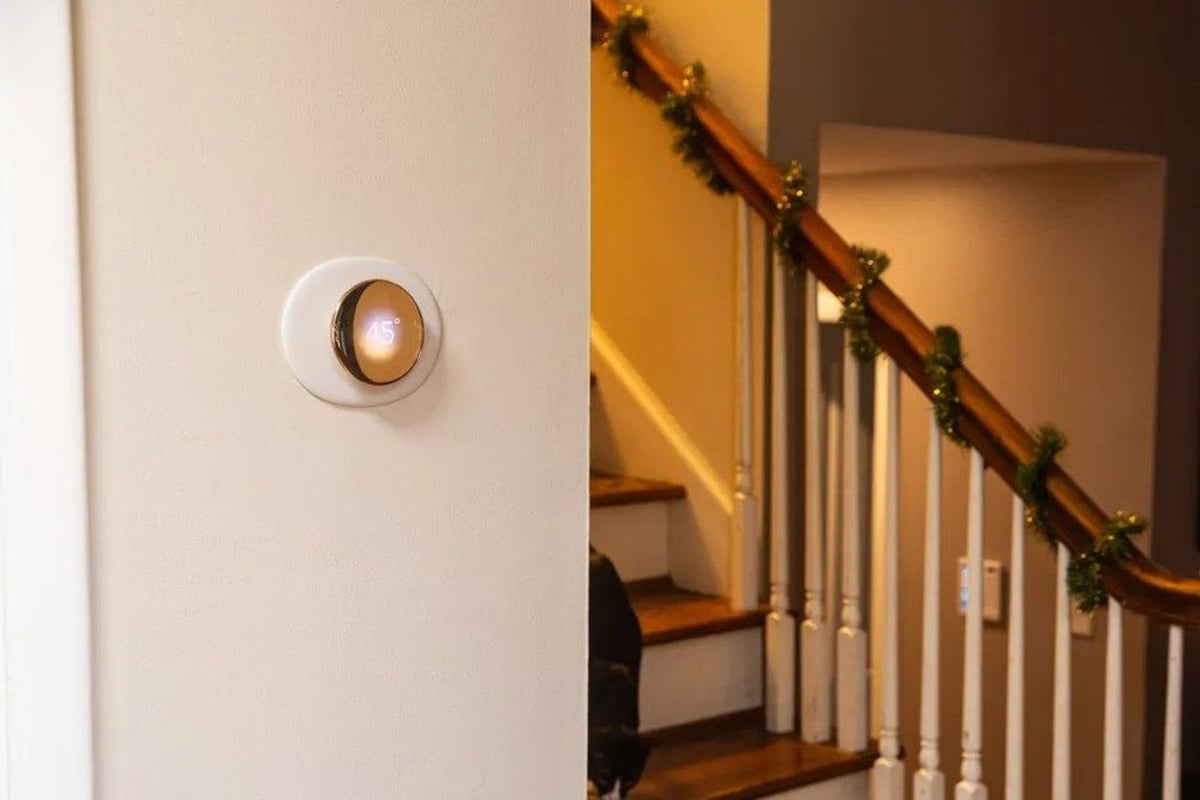
Google's newest Nest Learning Thermostat just hit its lowest price ever during Black Friday sales. The fourth-generation smart thermostat is now available for $209.99 in the polished gold finish - a $70 discount that makes premium home automation more accessible than ever. With built-in temperature sensors and Matter support, this deal could reshape how consumers approach smart home investments this holiday season.
Google's Nest Learning Thermostat is making headlines this Black Friday, but not just for its smart features. The fourth-generation device has dropped to $209.99 for the polished gold version on Amazon, marking the lowest price since its launch earlier this year. This represents a significant $70 discount from the regular $279.99 retail price, while Best Buy offers the same device for $229.99 across all color options. The timing couldn't be better for consumers looking to upgrade their home automation without breaking the bank. According to The Verge's comprehensive review, senior smart home reviewer Jennifer Pattinson Tuohy awarded the device a 9 out of 10, praising its sleek design and functionality. The latest iteration brings several notable improvements over previous generations, including a Soli radar sensor that detects when someone approaches, automatically illuminating the display. More importantly for multi-story homes, it includes a second-generation remote temperature sensor that can monitor conditions in specific rooms - a feature that addresses one of the most common complaints about centralized thermostats. The device's Matter support represents a significant step forward for smart home compatibility. Unlike previous generations that relied heavily on Google's ecosystem, this version can integrate with Apple HomeKit, Amazon Alexa, and other major platforms. This interoperability makes it particularly appealing for households with mixed smart home setups. Installation remains one of the Nest's strongest selling points, especially for newcomers to smart home technology. The device is designed for DIY installation without professional help, a stark contrast to many competitors that require electrical work. This user-friendly approach has made it a favorite among first-time smart thermostat buyers. Victoria Song from The Verge shared her personal experience, noting how she initially attempted to install a different brand's thermostat last year. The experiment ended with 'a bloody foot and a $975 bill when professional electricians told me 'Just go with a Nest.'' Her experience highlights a common frustration with alternative products that promise easy installation but deliver complexity. The polished gold finish, now at its lowest price, offers an unexpected aesthetic appeal. Despite initial concerns about clashing with cool-toned decor, many users report that the gold provides a warmer, more premium feel than traditional black or white options. This color variant has consistently commanded higher prices until this Black Friday promotion. Energy savings remain the device's core value proposition. The learning algorithm adapts to household patterns, automatically adjusting temperatures when residents are away and preheating before they return. Early adopters report utility bill reductions of 10-15% during the first few months of use, though individual results vary based on home size and local energy costs. The competitive landscape for smart thermostats has intensified recently, with Amazon pushing its own Echo Thermostat and traditional HVAC companies launching connected versions of their products. However, Google's ecosystem integration and brand recognition continue to drive consumer preference, particularly among Android users. Market data suggests smart thermostat adoption accelerated during the pandemic as homeowners spent more time managing indoor climates. The trend continues as energy costs rise nationwide, making devices that promise meaningful savings increasingly attractive. This Black Friday pricing strategy appears designed to capture holiday budget-conscious consumers who might otherwise delay smart home investments. The deal's timing aligns with Google's broader push to expand Nest's market share before competitors launch their 2025 models. Industry analysts expect similar aggressive pricing from other smart home manufacturers as the holiday shopping season peaks.
This Black Friday deal represents the best opportunity yet to upgrade to Google's latest smart thermostat technology. At $209.99, the fourth-generation Nest Learning Thermostat delivers premium features at a more accessible price point, making smart home automation less of a luxury purchase. The combination of easy installation, energy savings potential, and Matter compatibility positions it as a smart investment for both newcomers and existing smart home enthusiasts looking to modernize their climate control.