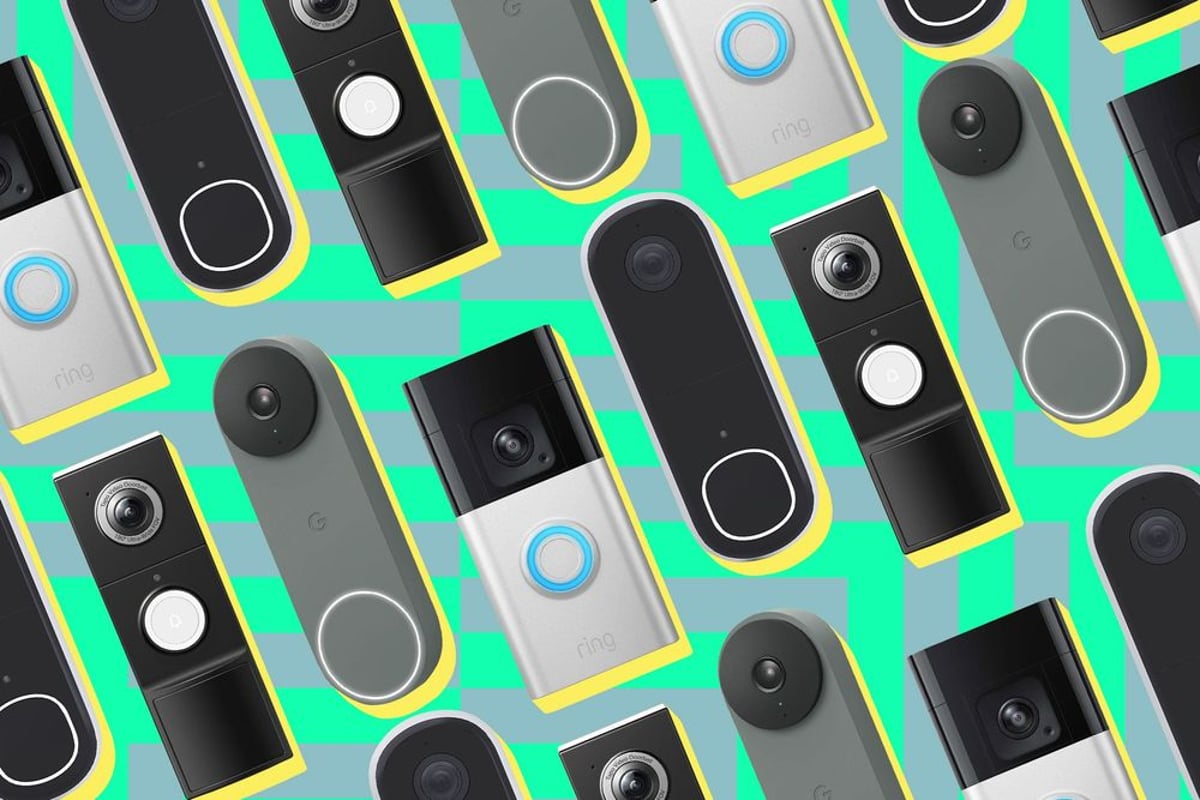
The smart doorbell market is witnessing fierce competition as tech giants battle for control of your front door. Google leads with its Nest Doorbell featuring 24/7 recording and AI-powered alerts, while Amazon's Ring focuses on ecosystem integration. This comprehensive testing reveals which doorbell cameras actually deliver on their promises versus marketing hype.
Google just redefined what consumers expect from smart doorbells. After extensive testing of dozens of models, it's clear the search giant has pulled ahead of Amazon's Ring empire with a simple but powerful strategy: give users more for free while competitors nickel-and-dime with subscriptions.
The Nest Doorbell Wired delivers 24/7 recording capability and smart notifications without charging extra fees - a direct shot at Ring's subscription-dependent model. During testing, Google's doorbell consistently outperformed Ring models in video quality and response times, thanks to on-device AI processing that doesn't require cloud connectivity.
"Unlike many competitors such as Ring and Arlo, Google doesn't charge for smart notifications," explains Jennifer Pattison Tuohy, who tested over 30 doorbell models. "The Nest Wired will tell you if it's a person, package, animal, or vehicle at your door for free."
But Amazon isn't backing down. Ring's latest AI-powered search feature introduced in 2024 lets users search recorded footage for specific objects, colors, and events - positioning the company as the platform for serious home security enthusiasts willing to pay premium subscription fees.
The battery versus wired debate continues dividing consumers, but testing reveals a clear winner. Battery-powered models from both Google and Ring struggle with two-month lifespans, forcing users into constant charging cycles. "Battery life isn't great on either doorbell," Tuohy notes about Ring's offerings. "They last around two months with all features turned on."
Wired solutions eliminate these power management headaches while delivering superior performance. Google's Nest Doorbell can record continuously, while Ring's wired models offer the fastest notification speeds - under four seconds compared to 10+ seconds for battery alternatives.
The subscription battleground has created an opening for disruptors. TP-Link's Tapo D225 challenges both tech giants with a subscription-free model offering local recording, 24/7 capability, and smart alerts for under $100. "This is a great option, considering Nest charges $15 a month for 24/7 recording," testing revealed.
Apple users face limited options, with only Aqara's G4 supporting HomeKit Secure Video. At $120, it represents the cheapest entry point into Apple's ecosystem, though video quality lags behind Google and Ring alternatives.
The integration wars extend beyond the doorbell itself. Google's Nest ecosystem automatically pulls up live feeds on Google TV when someone rings, while Ring's Alexa integration enables two-way calls on Echo Show devices. These platform lock-ins create switching costs that benefit the tech giants.
AI capabilities are becoming the new differentiator. Google recently launched Gemini for Home features that describe exactly what's happening in video clips, while Ring's Smart Video Search helps users find specific events in recorded footage. Both require premium subscriptions, signaling where companies see future revenue growth.
Market dynamics favor wired installations despite consumer preferences for wireless simplicity. "My top advice is to use existing doorbell wires if you have them," experts recommend. "Wired doorbells are generally cheaper, work better, and are more compact."
The smart doorbell market reflects broader trends in connected home devices - incumbent tech platforms leveraging AI and ecosystem integration to maintain dominance while subscription models generate recurring revenue. For consumers, the choice increasingly comes down to accepting monthly fees for premium features or settling for basic functionality with local storage alternatives.
The smart doorbell market has matured into a three-way battle between Google's feature-rich approach, Ring's subscription-driven ecosystem, and emerging subscription-free alternatives. Google currently leads with superior technology and more generous free features, but Ring's deep integration with Amazon's ecosystem and AI innovations keep the competition fierce. For consumers, the decision hinges on whether they prefer Google's upfront value or Ring's premium subscription model - while subscription-free options provide a compelling third path for privacy-conscious users.