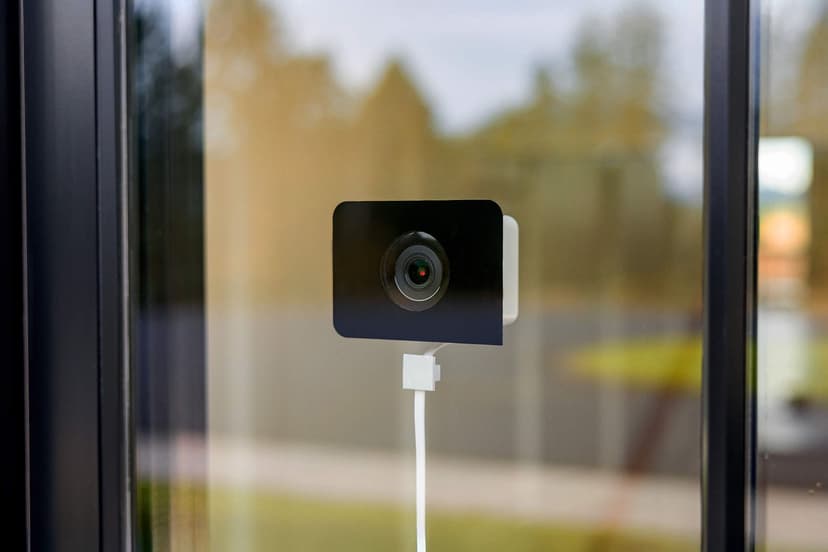
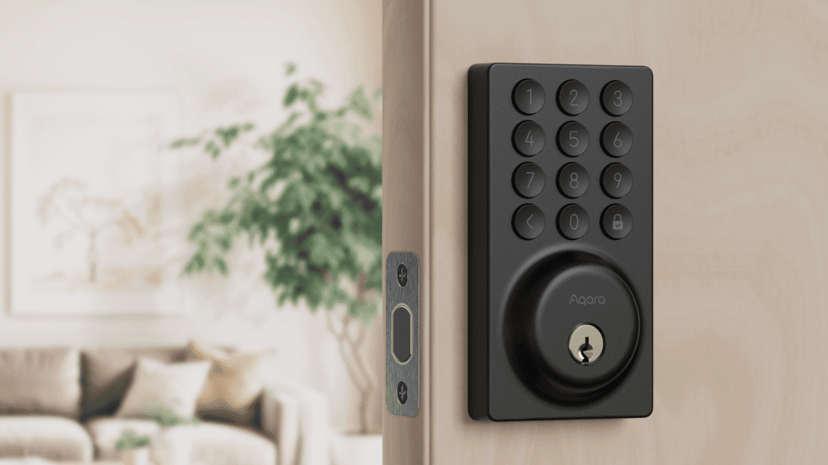
Ikea just surprised the smart home market by launching four of its new Matter-compatible sensors in the US - more than a year ahead of schedule. The Swedish furniture giant wasn't expecting these devices to hit American stores until January 2026, but they're already showing up online and in physical locations across the country, complete with competitive pricing that could shake up the smart sensor space.
Ikea just pulled off one of the year's most unexpected smart home launches. The furniture giant's new Matter-compatible sensors are hitting US shelves more than a year early, catching both consumers and competitors off guard with aggressive pricing that undercuts established players.
The early arrival represents a major strategic shift for Ikea, which has been methodically expanding its smart home presence beyond Europe. According to The Verge's coverage, the company announced 21 new Matter-over-Thread devices in November but told customers to expect a January 2026 US launch. That timeline just got obliterated.
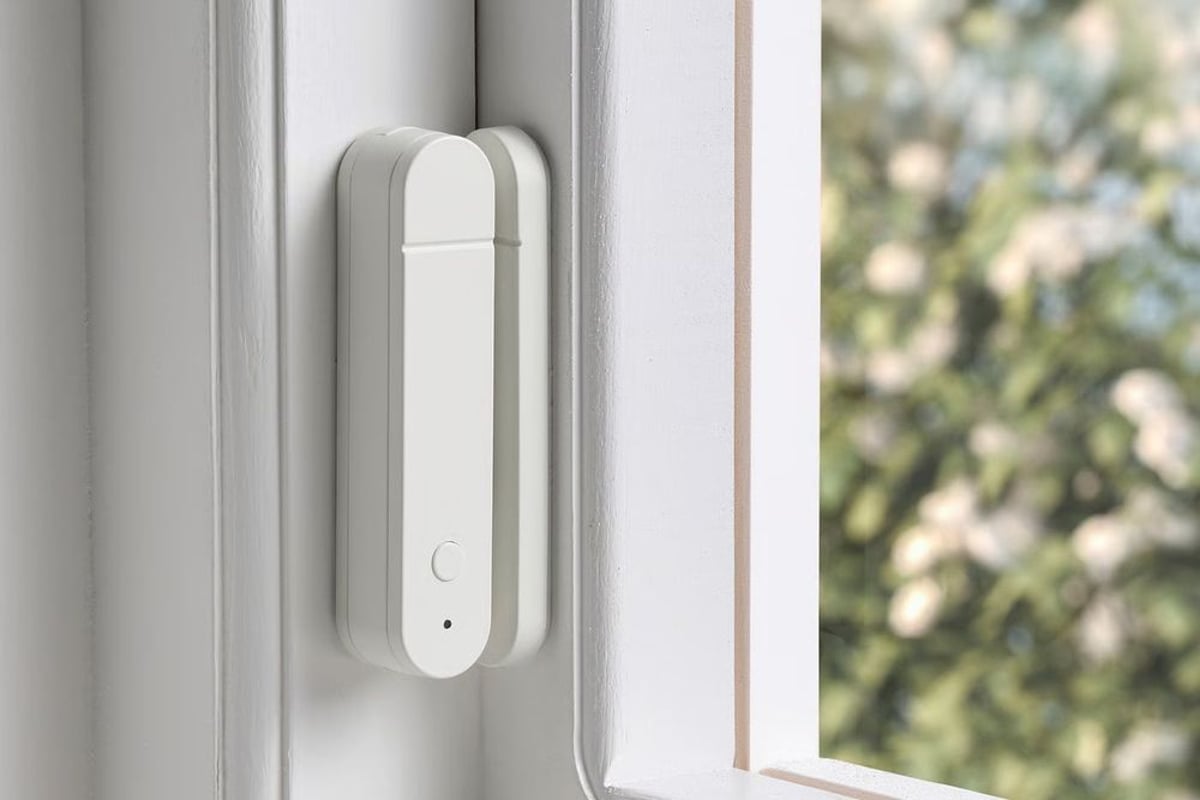
Four of the five announced sensors are now live on Ikea's US website and appearing in stores nationwide. The Myggspray motion sensor and Klippbok water leak detector both carry $9.99 price tags - positioning them directly against Amazon's Echo Flex sensors and similar devices from established smart home brands. The door and window sensor, dubbed Myggbett, comes in even cheaper at $7.99.
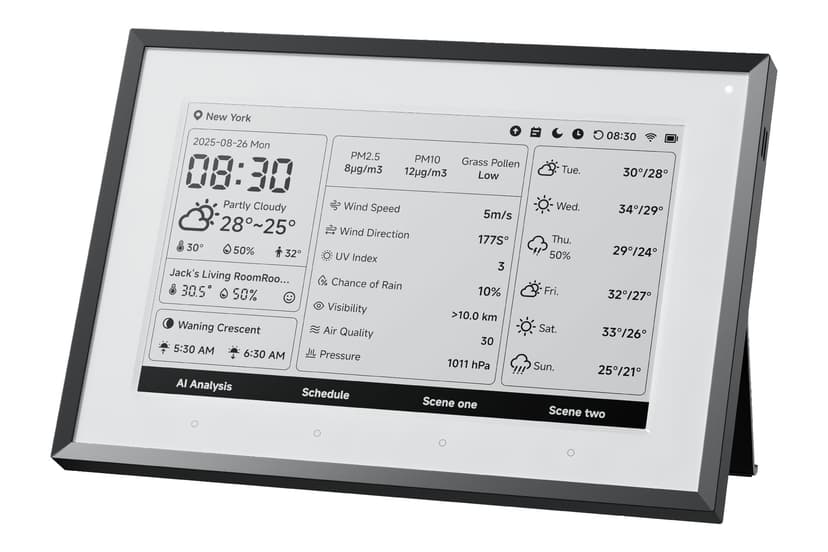
But it's the Alpstuga air quality sensor that's turning heads. At $29.99, this device measures both CO2 levels and PM2.5 particle counts - capabilities that typically cost $100+ from brands like Awair or IQAir. If the sensor performs as advertised, Ikea could completely disrupt the air quality monitoring market.
The pricing strategy reveals Ikea's intention to be more than just a smart bulb player. While companies like Philips and Nanoleaf focus on premium lighting experiences, Ikea's betting on volume and accessibility. The Swedish approach mirrors what it did with furniture - make decent quality widely available at prices that democratize the category.
What's missing from this early launch tells its own story. The simplified Kajplats smart bulb collection remains MIA, suggesting Ikea's prioritizing sensors over lighting for its US offensive. That makes strategic sense - sensors are stickier purchases that lock customers into ecosystems, while bulbs face fierce competition from established players.
There's also the curious case of the Bilresa remote control. Listed at $19.99 for a colorful three-pack, it's showing as "sold out online" and unavailable in stores. Industry insiders suggest this might be intentional scarcity to build buzz, though supply chain hiccups are equally likely given the accelerated timeline.
The Matter compatibility angle can't be overstated. By supporting Thread networking and the Matter standard, these sensors work seamlessly with Apple HomeKit, Google Home, Amazon Alexa, and Samsung SmartThings. That interoperability removes the biggest barrier to Ikea adoption - fear of ecosystem lock-in.
Early reviews are already trickling in from European customers who've been testing the devices for weeks. The consensus seems positive on reliability and battery life, though the air quality sensor's accuracy compared to professional-grade monitors remains questioned by some users.
For the broader smart home industry, Ikea's early US launch represents a significant escalation. Traditional tech companies have dominated sensors through premium pricing and complex installation processes. Ikea's betting that simple, affordable, and widely distributed beats cutting-edge features for most consumers.
The timing also coincides with Matter's growing adoption across the industry. As more devices support the standard, the smart home market is shifting from fragmented ecosystems toward universal compatibility - exactly the environment where Ikea's retail scale becomes a massive advantage.
Ikea's surprise sensor launch signals a new chapter in smart home accessibility. By arriving early with aggressive pricing and Matter compatibility, the Swedish retailer is positioning itself as the anti-premium alternative in a market increasingly dominated by expensive, complex solutions. Whether this strategy succeeds depends on execution and reliability - but the early US availability suggests Ikea is confident enough to bet big on American smart homes. The real test comes when the delayed smart bulb collection finally arrives and faces direct competition from established lighting players.