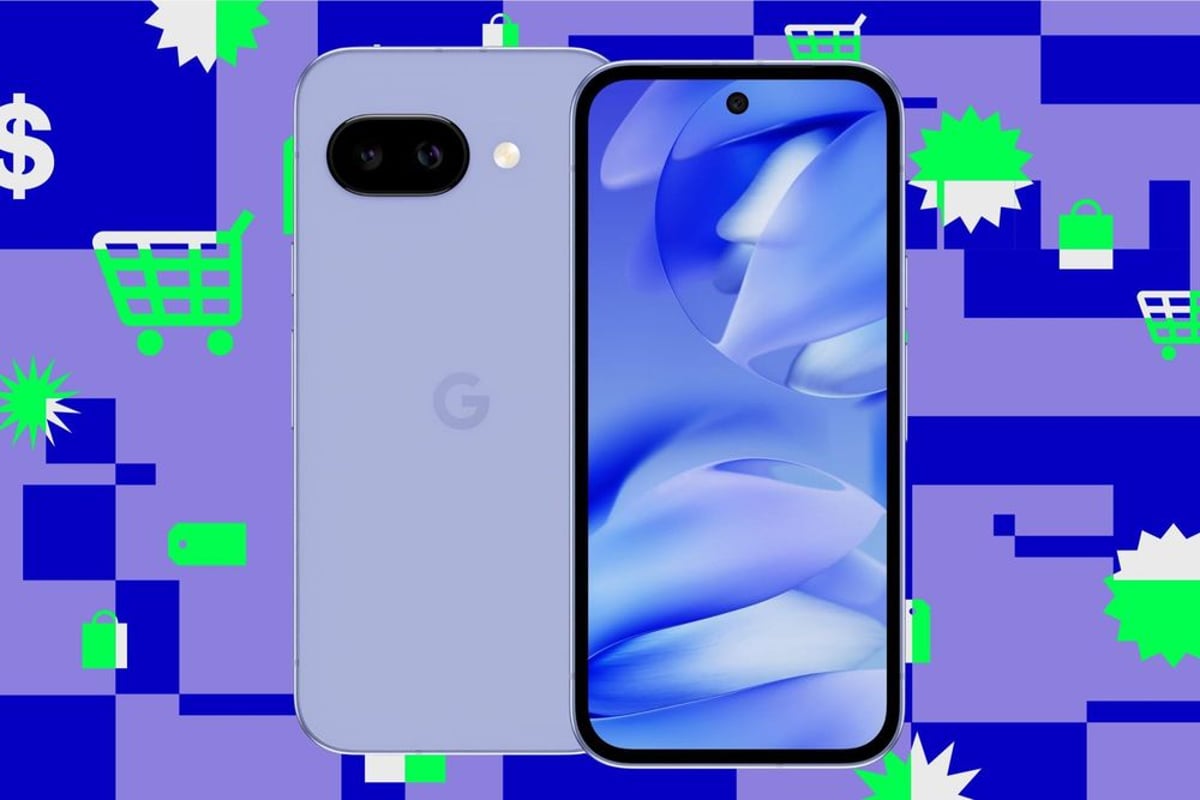
Google's Pixel 9A just hit its lowest price ever at $349, down from $499, as the company gears up to unveil the Pixel 10A on February 18. The timing is no coincidence - Amazon and Best Buy are clearing inventory ahead of the next-gen midrange device, creating a rare opportunity for budget-conscious buyers. With seven years of software updates, IP68 water resistance, and a 120Hz display, the 9A remains a compelling option even as its successor looms on the horizon.
Google is playing hardball with its midrange phone pricing. The Pixel 9A, which launched at $499 just months ago, is now available for $349 at Amazon and Best Buy - a 30% price cut that lands exactly one week before the company opens pre-orders for the Pixel 10A on February 18.
The move looks like classic inventory management. Retailers are clearing shelves ahead of new hardware, but the discount also reveals how aggressively Google needs to compete in the budget smartphone market. At $349, the Pixel 9A undercuts even last year's Pixel 8A pricing during most of its lifecycle, putting pressure on competitors like Samsung's Galaxy A series and Apple's aging iPhone SE.
According to The Verge's review, the 9A was already considered a solid value at full price. The phone packs an IP68 water resistance rating, seven years of guaranteed software updates, a brighter 120Hz OLED display compared to the Pixel 8A, and wireless charging - features that typically command premium pricing. Reviewer Allison Johnson noted that the device hit the sweet spot for midrange performance, balancing hardware specs with Google's computational photography advantages.
But the timing matters more than the specs. Google scheduled its Pixel 10A reveal for February 18, when it'll share pricing and specifications for the next iteration. Industry watchers expect the 10A to launch around $499 - the same starting price as the 9A - which means Google needs to establish clear separation between generations. Dropping the older model to $349 creates a $150 gap, giving consumers a reason to either grab the budget option or stretch for the latest tech.
This pricing strategy mirrors what we've seen from Apple with iPhone generation transitions, though Google's timeline is more compressed. The company appears to be learning that holding midrange pricing steady while flagship phones climb toward $1,000 creates opportunities for Android competitors. Xiaomi and OnePlus have been eating into Google's market share in international markets with aggressively priced devices that match or exceed Pixel specs.
The deal also highlights Google's broader hardware challenges. Despite critical acclaim, Pixel phones hold just 4% of the US smartphone market, according to recent Counterpoint Research data. Midrange devices like the A-series were supposed to expand that footprint by targeting price-conscious buyers, but Samsung's dominance in the Android ecosystem makes every sale a fight.
Retailers are playing along with the clearance strategy. Best Buy is offering the $349 price across all three colors - obsidian black, porcelain white, and peony pink - while Amazon matches on most configurations. Notably, Google's own store still lists the 9A at $399, a $50 premium over third-party retailers, suggesting the company is prioritizing inventory movement over direct sales margins.
For consumers, the math is straightforward. The Pixel 9A at $349 delivers flagship-adjacent features like Google's Tensor G4 processor, advanced AI photo editing tools, and guaranteed updates through 2032. That seven-year software commitment alone justifies the price for buyers who typically hold phones for 3-4 years. You're essentially paying $100 per year for a device that'll receive the same Android updates as phones costing twice as much.
The discount arrives as smartphone replacement cycles continue stretching. Average US consumers now keep phones for 3.5 years, up from 2.8 years in 2020, according to Strategy Analytics. Budget-conscious shoppers are weighing whether to grab proven hardware at a discount or wait for incremental improvements with the 10A.
Google hasn't commented on whether the $349 pricing is permanent or a limited-time offer, but historical patterns suggest it'll stick around through the 10A launch and potentially become the new baseline as the newer model takes over the $499 slot. That would give Google a two-tier A-series strategy, similar to how Apple positions the iPhone SE alongside newer models.
Google's aggressive pricing on the Pixel 9A reveals how competitive the midrange smartphone market has become. At $349, the device offers compelling value with features that typically cost hundreds more, but the discount also shows Google's urgency to clear inventory before the Pixel 10A arrives. For buyers who don't need the absolute latest hardware, this might be the best Pixel deal we'll see in 2026. But if you're willing to wait nine days, the 10A reveal on February 18 could shift the calculation entirely - especially if Google prices the new model closer to $449 instead of $499. Either way, the budget smartphone wars just got more interesting.