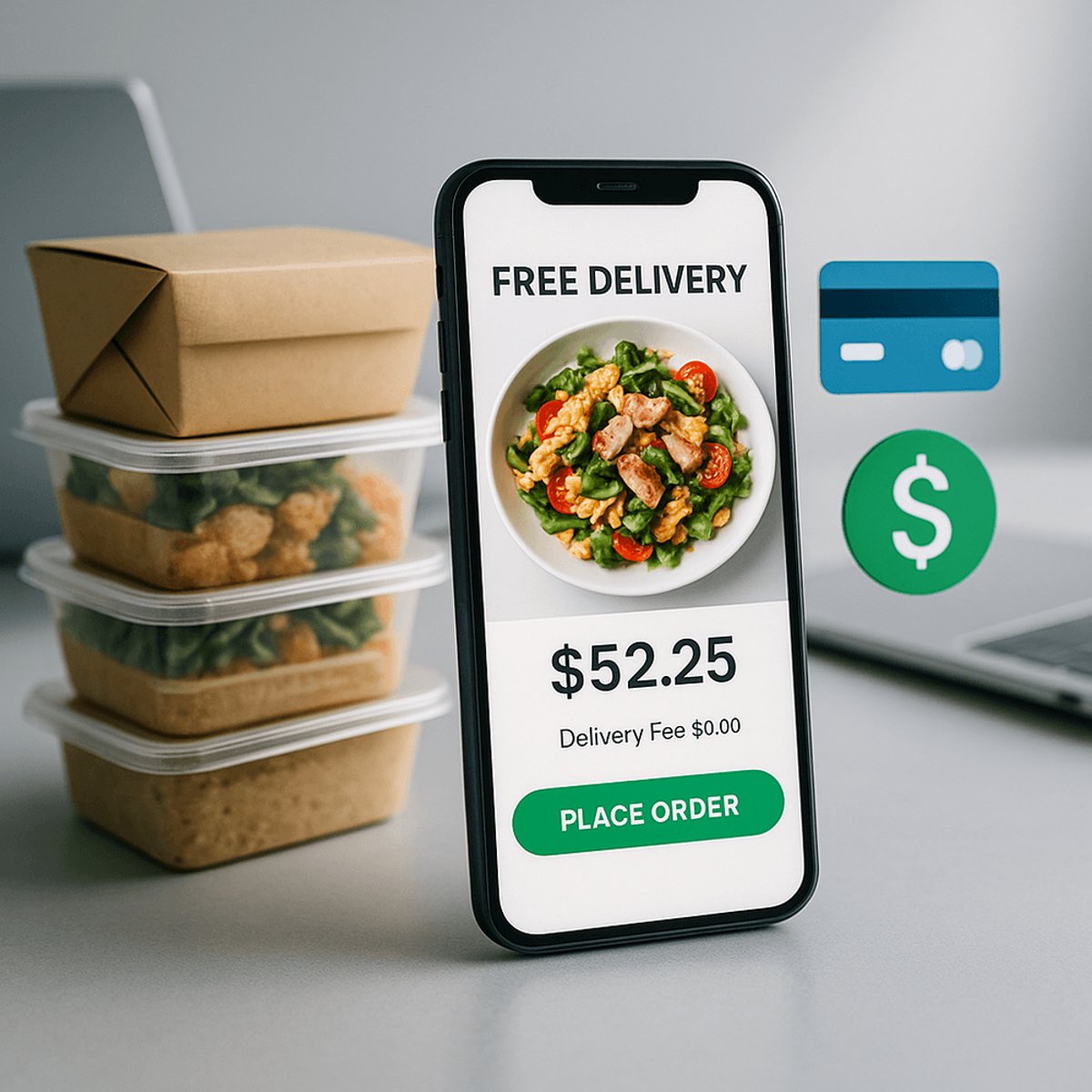
Grubhub is taking a swing at DoorDash and Uber Eats with a permanent fee waiver that could reshape the food delivery wars. The company announced Monday it's eliminating all delivery and service fees on restaurant orders over $50 - a move that saves customers an average of $13 per transaction and comes as Grubhub bleeds users to its better-funded rivals. With monthly active users down 20% year-over-year to just 8 million, compared to DoorDash's nearly 50 million, the Wonder Group-owned platform is betting that free delivery will lure back defectors.
Grubhub just threw down in the food delivery battle with a price cut that DoorDash and Uber Eats can't match. The company announced Monday it's permanently waiving delivery and service fees on all restaurant orders over $50 - no subscription required, no fine print, just free delivery on big orders.
The announcement arrived via a Super Bowl commercial featuring George Clooney at a lavish dinner party, dramatically declaring "Grubhub will eat the fees." But behind the celebrity sheen lies a desperate play for survival. Grubhub's monthly active users collapsed 20% year-over-year in 2025, sliding to just 8 million users according to Sensor Tower data. Meanwhile, DoorDash commands nearly 50 million monthly actives, cementing its dominance in a market where scale means everything.
The fee waiver hits competitors where it hurts. Grubhub claims delivery and service fees on orders over $50 average around $13 across major platforms - money that now stays in customers' wallets if they order through Grubhub. Neither DoorDash nor Uber Eats offers anything similar without requiring paid memberships like DashPass or Uber One, which typically run $10 monthly and still exclude many restaurants from fee waivers.
"This is a permanent offering aimed at putting more money back in customers' pockets amid challenging economic times," Grubhub said in a statement released Monday. The timing couldn't be more critical. Since Wonder Group - the food delivery conglomerate led by former Walmart exec Marc Lore - acquired Grubhub for $650 million in November 2024, the platform has struggled to claw back market share from better-capitalized rivals.
Wonder Group has been on an acquisition tear, snapping up media company Tastemade for $90 million earlier this year and most recently acquiring restaurant rewards startup Claim in January. The Claim deal brings cash-back rewards at local restaurants into Grubhub's ecosystem, letting diners earn points for dine-in or pickup orders - another angle to compete with DoorDash's expanding in-store pickup and loyalty programs.
But the fee elimination gambit raises questions about unit economics. Food delivery platforms already operate on razor-thin margins, with companies like DoorDash only recently achieving consistent profitability after years of losses. By absorbing delivery and service fees on large orders, Grubhub is essentially subsidizing customer acquisition and retention - a costly strategy that only works if order volumes surge enough to offset the revenue hit.
Industry analysts will be watching whether this triggers a price war. DoorDash reported nearly 50 million monthly active users in Q3 2025 and has the financial firepower to match or undercut Grubhub's offer if it threatens market share. Uber Eats benefits from cross-subsidies with Uber's ride-hailing business, giving it flexibility to respond aggressively.
For now, Grubhub is betting consumers will switch platforms for $13 in savings per order. The company's positioning this as relief during "challenging economic times," tapping into widespread frustration with delivery fees that can inflate a $40 meal into a $60 transaction. If customers bite - literally - and start consolidating orders to hit the $50 threshold, Grubhub could see basket sizes grow even as it sacrifices fee revenue.
The Super Bowl spot marks Grubhub's biggest marketing push since the Wonder acquisition. Pairing fee elimination with a celebrity-driven awareness campaign suggests the company recognizes it needs both price and brand momentum to reverse user decline. Whether Clooney's star power and free delivery can win back millions of defectors remains the $650 million question.
Grubhub's permanent fee waiver represents a high-stakes bet that price alone can reverse its user exodus in a market dominated by DoorDash's scale and Uber's diversified platform. The move puts immediate pressure on competitors to respond, but the real test comes in whether subsidizing large orders generates enough volume to justify the revenue sacrifice. For consumers, it's a rare win in an industry where fees have only climbed higher - at least until the next platform decides matching Grubhub's offer is cheaper than losing customers.