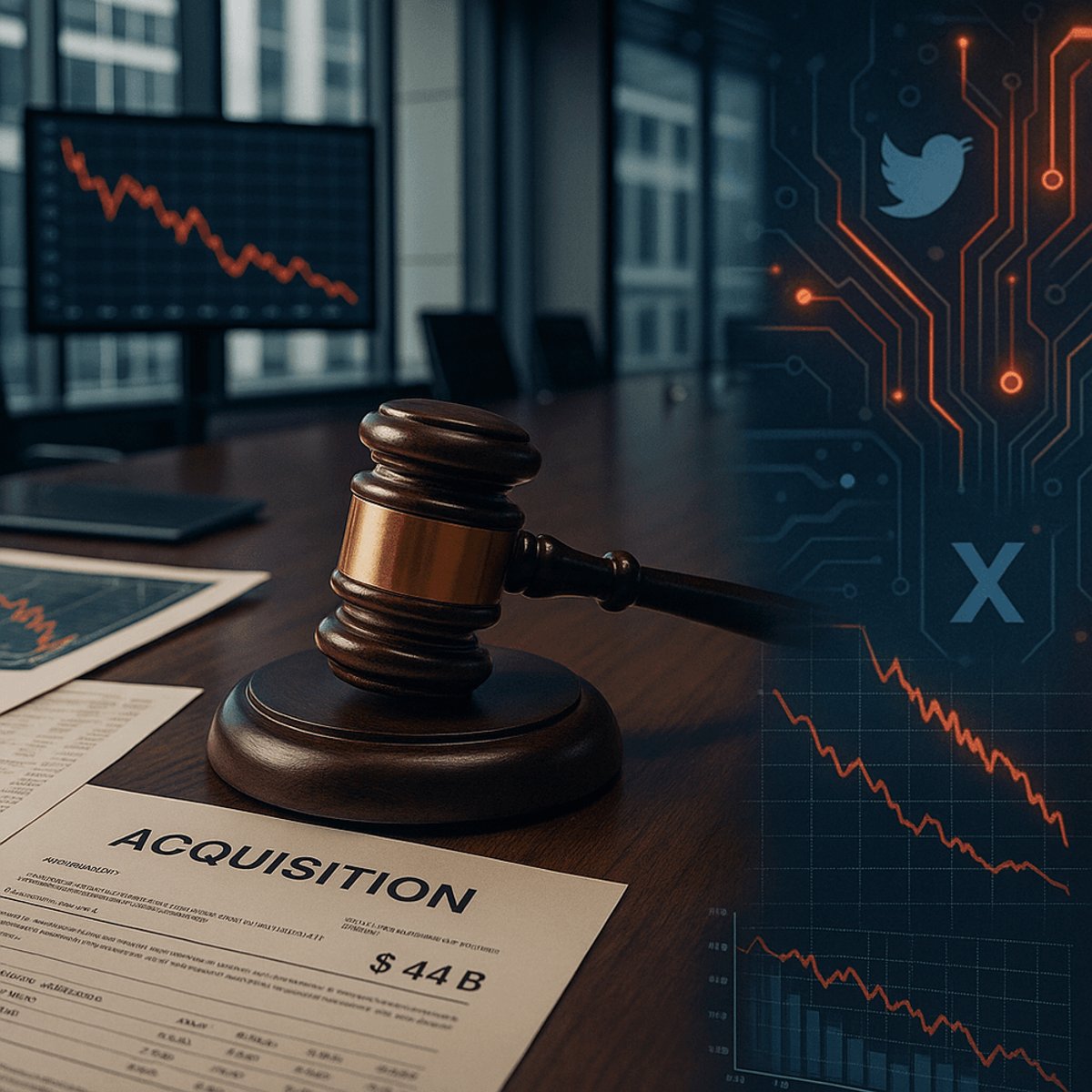
A jury has ruled that Elon Musk misled investors during his chaotic 2022 attempt to back out of acquiring Twitter, now known as X. The verdict centers on Musk's public claims that the platform harbored excessive bot accounts - assertions he used to justify walking away from his $44 billion commitment. The finding adds another legal complication to the already turbulent saga of the social media acquisition that eventually went through under court pressure.
The legal aftermath of Elon Musk's chaotic Twitter takeover continues to unfold. A jury has determined that Musk misled investors while attempting to renege on his commitment to acquire the social media platform in 2022, according to TechCrunch.
At the heart of the case were Musk's public statements about bot accounts on Twitter. After signing an agreement to buy the company for $44 billion in April 2022, Musk began tweeting that the platform had far more spam and fake accounts than Twitter had disclosed. He used these claims as justification for trying to terminate the deal, arguing the company had breached its obligations by misrepresenting its user metrics.
The jury's finding suggests Musk's bot allegations were misleading to investors who were watching the deal unfold. Twitter's stock price swung wildly during the months-long saga as Musk publicly wavered on his commitment. Shareholders found themselves caught in limbo, uncertain whether the acquisition would close at the agreed $54.20 per share or collapse entirely.
The bot dispute became the centerpiece of a Delaware Chancery Court battle that played out through summer and fall 2022. Twitter sued to force Musk to complete the acquisition, arguing he couldn't simply walk away from a signed merger agreement because he developed buyer's remorse. Legal experts widely viewed Twitter's position as strong, noting that merger agreements don't typically allow buyers to exit based on information that was knowable before signing.
Musk ultimately completed the purchase in October 2022, paying the full $44 billion price rather than face a trial he appeared likely to lose. He immediately took the company private and began implementing dramatic changes, including mass layoffs, a controversial paid verification system, and eventually rebranding the platform as X.
The jury's verdict now adds legal validation to claims that Musk's bot concerns were pretextual. While spam accounts have long been an acknowledged issue on Twitter, the company maintained that its public disclosures about monetizable daily active users were accurate. Independent analyses during the dispute found bot levels largely in line with Twitter's estimates, undercutting Musk's assertions.
For investors who held Twitter stock during the turbulent acquisition period, the finding may open doors to claims that Musk's public statements caused financial harm. Market volatility around the deal was extreme, with Twitter's stock price dropping well below the acquisition price as doubts mounted about whether Musk would follow through.
The verdict also highlights the ongoing legal complications surrounding one of tech's most dramatic acquisitions. Beyond shareholder concerns, Musk has faced scrutiny over his financing arrangements, operational decisions at X, and the platform's evolving content moderation policies under his ownership.
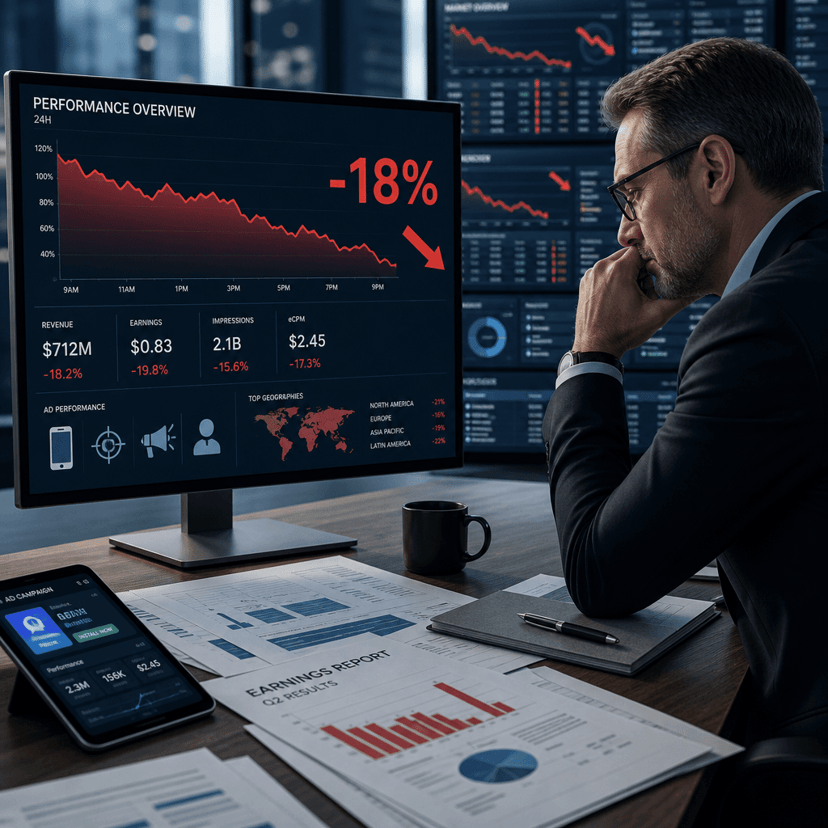
Since taking over, Musk has transformed X in ways that have polarized users and advertisers. The platform has seen significant changes to its verification system, content policies, and business model. Advertiser relationships have been particularly strained, with many major brands pulling spending amid concerns about content appearing alongside their ads.
The jury's determination that Musk misled investors during the acquisition process adds another chapter to the contentious history of the deal. It reinforces questions about the billionaire's approach to the purchase and whether his public statements about bots reflected genuine concerns or strategic positioning to escape an agreement he'd come to regret.
The jury's finding that Musk misled Twitter investors marks a significant legal determination about one of tech's most turbulent acquisitions. While the deal ultimately closed and Twitter has since been transformed into X under Musk's ownership, the verdict validates concerns that his bot allegations were more about deal tactics than substance. For investors who weathered months of uncertainty and stock volatility, the ruling may provide grounds for further legal action. It's a reminder that even when billionaires ultimately complete controversial acquisitions, the legal reckoning for how they conducted themselves during the process can continue for years.