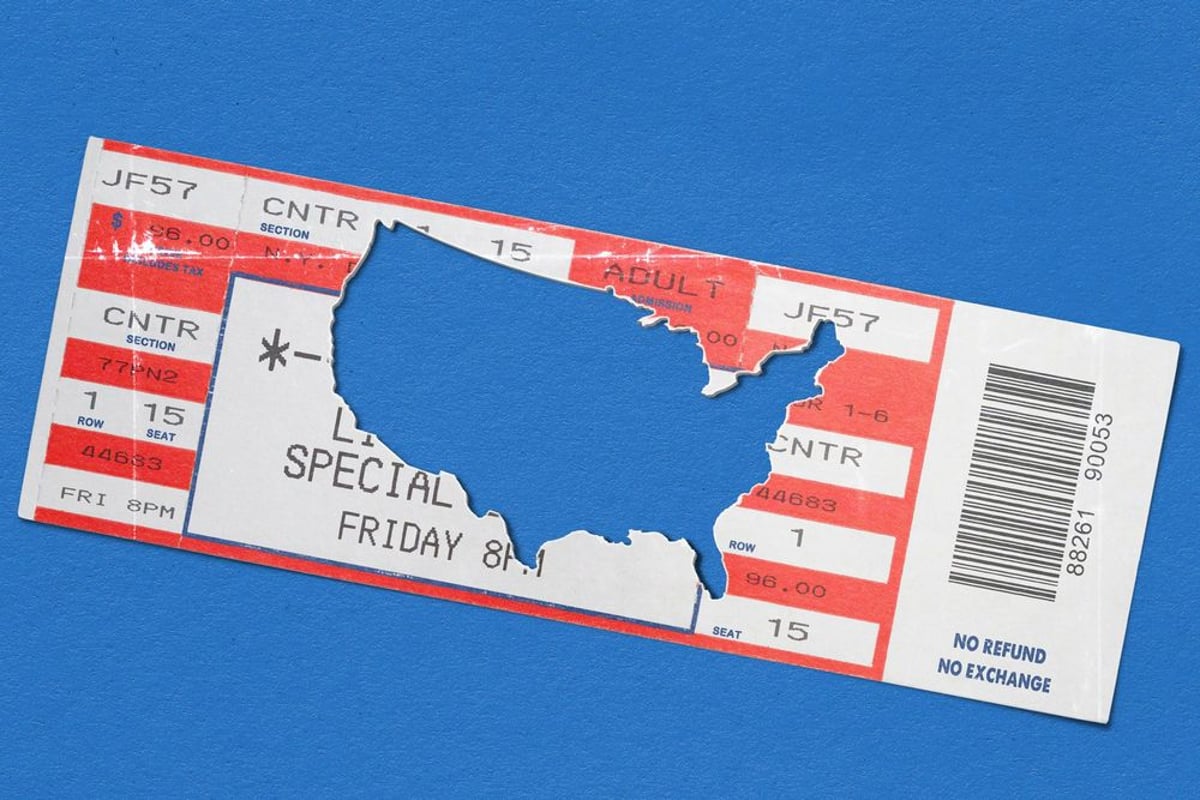
The federal antitrust case against Live Nation Entertainment kicked off this week with explosive testimony about how the ticketing giant allegedly wielded its concert promotion power to crush competitors. SeatGeek CEO Jack Groetzinger took the stand to describe how venues feared losing Live Nation concerts if they dared to switch ticketing providers - a practice the Justice Department argues amounts to illegal monopolization of the live entertainment industry.
Live Nation Entertainment is facing a reckoning. The company that controls both the country's dominant ticketing platform Ticketmaster and the largest concert promotion business now stands accused of weaponizing that vertical integration to terrorize competitors out of the market.
The allegations came into sharp focus during the first week of trial testimony, when SeatGeek CEO Jack Groetzinger described what he called "the concert issue." According to Groetzinger's testimony reported by The Verge, the company was deep in negotiations with the Dallas Cowboys in 2018 to provide primary ticketing services for the team's stadium. But there was a problem - the Cowboys were terrified that ditching Ticketmaster would mean Live Nation, Ticketmaster's parent company, could retaliate by pulling lucrative concerts from their venue.
It's the kind of fear that defines monopoly power. The deal eventually went through, with SeatGeek and the Cowboys announcing their partnership in 2018, but the hesitation reveals how Live Nation allegedly uses its dual role as both ticketing provider and concert promoter to keep venues locked in.
The Justice Department's case hinges on this exact dynamic. By controlling which artists play which venues through its Live Nation promotion arm, while simultaneously operating the Ticketmaster ticketing platform, the company allegedly created a system where venues can't afford to switch ticketing providers without risking their entire concert business. It's vertical integration turned into a weapon.
This isn't just about expensive Taylor Swift tickets, though consumer outrage over ticketing fees and availability has certainly fueled political pressure for action. The antitrust case gets at something deeper - whether a company can use dominance in one market (concert promotion) to maintain a stranglehold on another market (ticketing) through threats and retaliation rather than superior service.
The live entertainment industry has been complaining about Live Nation's practices for years, but those complaints rarely translated into competitive alternatives that could challenge Ticketmaster's dominance. SeatGeek has emerged as one of the few viable competitors, focusing on mobile-first ticketing technology and partnerships with sports teams. But even SeatGeek's success stories come with caveats about the fear factor Live Nation apparently wields.
Live Nation's defense will likely argue that venues choose Ticketmaster because it offers the best service and technology, not because they're afraid of retaliation. The company has previously stated that it faces robust competition and that its success reflects customer preference, not anticompetitive behavior.
But Groetzinger's testimony paints a different picture - one where innovation and better service take a back seat to raw market power and the implicit threat of being cut off from the content that venues need to survive. It's a dynamic that shows up across the tech industry, from app stores to cloud services, wherever vertical integration gives one company control over both the platform and the content.
The trial comes at a moment when regulators are taking a harder look at how dominant tech and entertainment platforms leverage their power. The Federal Trade Commission has challenged mergers and filed antitrust suits against major tech companies, while the Justice Department has taken on Google and now Live Nation. The outcomes of these cases will shape how aggressively the government polices market power in the digital economy.
For Live Nation, the stakes are existential. A loss could mean forced divestiture - potentially breaking up the Ticketmaster and Live Nation businesses that merged in 2010. That merger, approved by regulators with conditions that critics say were never effectively enforced, created the very vertical integration that prosecutors now argue violates antitrust law.
The entertainment industry is watching closely. If the government prevails, it could open the door for true competition in ticketing and concert promotion, potentially lowering fees and improving service for consumers and artists alike. If Live Nation wins, it would validate the vertical integration model and potentially encourage similar consolidation in other sectors.
The Live Nation antitrust trial represents a critical test of whether regulators can effectively challenge vertical integration in the modern economy. Groetzinger's testimony about venues fearing concert retaliation crystallizes the prosecution's theory - that Live Nation doesn't just compete hard, it allegedly uses control over essential content to lock out rivals. How the jury evaluates that evidence will determine whether the live entertainment industry gets a competitive reset or whether the Ticketmaster-Live Nation combination remains intact. Either way, the case is already serving as a cautionary tale about what happens when one company controls too many links in the value chain.