Meta is facing a lawsuit from current and former employees alleging the company used artificial intelligence systems to make discriminatory layoff decisions, particularly impacting workers with disabilities. The legal action, filed in July 2026, marks one of the first major challenges to AI-driven workforce reduction strategies and could set precedent for how tech companies deploy automation in employment decisions. The case arrives as corporate America increasingly turns to algorithmic systems for HR functions, raising urgent questions about transparency and bias in AI-powered workforce management.
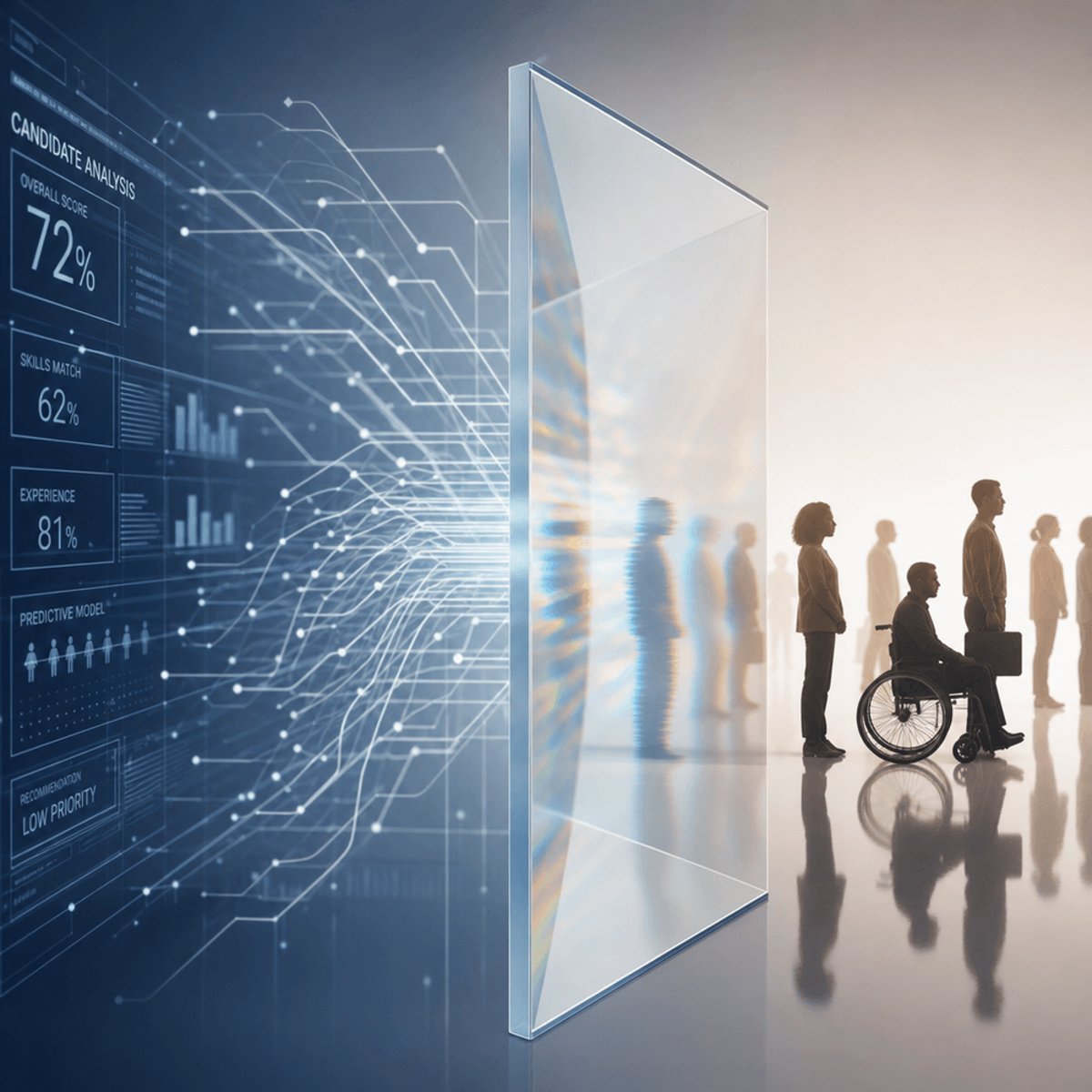
Meta just became the testing ground for a legal battle that could reshape how AI gets used in corporate layoffs. Current and former employees have filed a discrimination lawsuit alleging the social media giant deployed AI systems that disproportionately targeted workers with disabilities during recent workforce reductions. The complaint underscores a darker side of AI adoption that's been brewing beneath the surface of Silicon Valley's automation push.
The lawsuit comes at a pivotal moment. Tech companies have spent the past two years racing to integrate AI into virtually every business function, and HR departments haven't been exempt. Meta itself has been vocal about using AI to streamline operations and boost efficiency across the company. But the plaintiffs argue that algorithmic decision-making in layoffs created discriminatory outcomes that would violate the Americans with Disabilities Act and similar protections.
What makes this case particularly significant is the lack of transparency around how these AI systems actually work. According to employment law experts, algorithmic bias in hiring and firing represents a legal gray area that courts are only beginning to grapple with. When a human manager makes a discriminatory decision, the path to accountability is clear. But when an AI system recommends layoffs based on performance metrics, productivity scores, or other data points, proving discriminatory intent becomes exponentially harder.
The plaintiffs claim Meta's AI-driven approach failed to account for reasonable accommodations and the unique circumstances of employees with disabilities. Performance algorithms might flag someone who needs flexible hours or modified duties as underperforming, even when they're meeting their actual job requirements with proper accommodations. That's the fundamental tension - AI systems trained on historical data can bake in existing biases, then scale them across thousands of employment decisions.
Meta hasn't issued a detailed public response to the specific allegations yet, and the company declined to comment on pending litigation. But the lawsuit puts the tech giant in an uncomfortable spotlight just as it's been promoting AI as a transformative force for business efficiency. The company has laid off more than 21,000 employees since 2022 across multiple rounds of cuts, though it's unclear how many of those decisions involved AI systems.
The case also highlights broader questions about AI governance in the workplace. Unlike algorithmic bias in consumer products, which has received significant attention and regulatory scrutiny, AI-driven HR decisions operate largely in the shadows. Employees often don't know when algorithms influence decisions about their careers, let alone have the ability to challenge those systems. That information asymmetry creates obvious problems for accountability.
Legal experts watching the case say it could establish crucial precedent. If the plaintiffs can demonstrate that Meta's AI systems produced discriminatory outcomes, even without intentional bias from human decision-makers, it might force tech companies to conduct rigorous audits before deploying HR algorithms. That would represent a significant shift in how AI gets regulated in employment contexts.
The timing couldn't be more relevant. AI anxiety is already running high as workers across industries worry about automation displacing jobs. But this lawsuit suggests a different concern - not just that AI might eliminate positions, but that it could do so in ways that disproportionately harm protected groups. That adds a civil rights dimension to the AI employment debate that's been mostly focused on economic displacement.
Other tech companies are surely watching closely. Amazon, Google, Microsoft, and others have all integrated AI into HR functions to varying degrees. If Meta faces significant liability or regulatory consequences, it would send shockwaves through an industry that's been moving fast and breaking things when it comes to AI deployment.
The case also arrives as Congress and federal agencies debate how to regulate AI systems. The Equal Employment Opportunity Commission has issued guidance on algorithmic discrimination, but enforcement remains limited. A high-profile lawsuit with substantial damages could accomplish what years of policy debates haven't - forcing companies to prioritize fairness and transparency in automated employment decisions.
What happens next will likely take months or years to unfold through the court system. But the lawsuit has already accomplished something important by dragging AI's role in workforce management into public view. The question isn't whether companies will use AI for HR decisions - that ship has sailed. The question is whether they'll do so in ways that respect civil rights protections and provide meaningful accountability when systems get it wrong.
The lawsuit against Meta over AI-driven layoffs represents more than just one company's legal troubles. It's a wake-up call for an industry that's been deploying powerful algorithmic systems with limited oversight and accountability. Whether the plaintiffs prevail or not, the case has already forced a necessary conversation about how AI intersects with civil rights in the workplace. Tech companies can no longer treat HR algorithms as just another efficiency tool - they need to recognize these systems make decisions with profound human consequences, and they need to be held to the same anti-discrimination standards as human managers. The outcome will likely influence how corporate America thinks about AI governance for years to come.