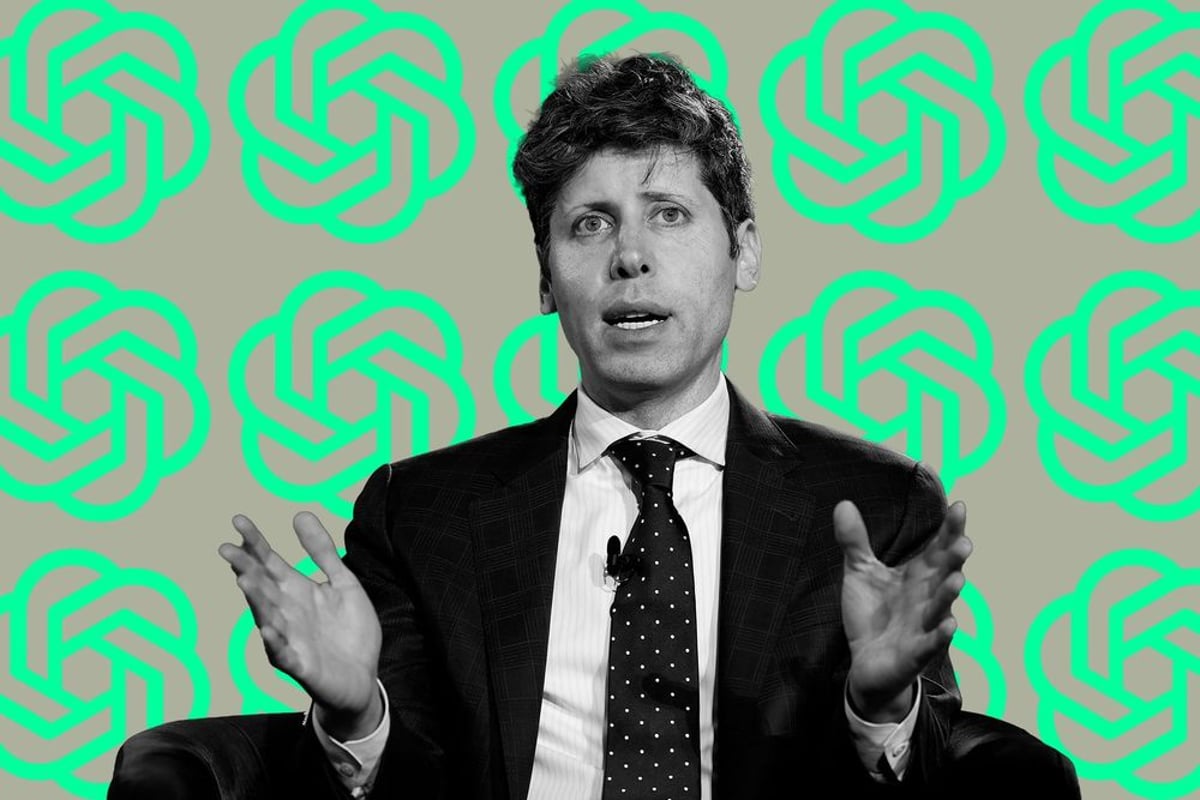
Apple just threw a major wrench into OpenAI's plans. The iPhone maker filed a bombshell lawsuit in Northern California federal court last Friday, accusing the AI giant of trade secret theft through former Apple employees who allegedly brought confidential manufacturing and supply chain intelligence with them. The timing couldn't be worse for Sam Altman's company, which is already juggling multiple legal battles and eyeing a potential IPO while betting big on hardware.
OpenAI can't catch a break. Just when Sam Altman thought the worst of his legal troubles might be behind him, Apple - one of the world's most litigious tech giants - decided to pile on. The lawsuit, filed last Friday in Northern California federal court, accuses former Apple employees of stealing trade secrets for OpenAI's benefit, and it's not just about a few PowerPoint slides.
The 41-page complaint gets specific. Apple alleges that departing employees brought with them confidential information spanning "product development, manufacturing, supply chain, technology research, and other innovations." For a company like OpenAI that's reportedly sinking billions into hardware development, that kind of intel is gold. Apple keeps this stuff locked down tighter than Fort Knox, requiring employees to sign extensive non-disclosure agreements that apparently some people thought they could ignore.
What makes this particularly messy is the timing. OpenAI has been quietly assembling a hardware team for months, poaching talent from Apple, Meta, and other consumer electronics heavyweights. The company's rumored to be working on an AI-powered device that could compete directly with smartphones - Apple's bread and butter. According to people familiar with the matter, OpenAI hired at least a dozen former Apple engineers in the past year, several from teams working on iPhone manufacturing and supply chain logistics.
The lawsuit doesn't name specific employees, but it's pretty clear Apple's legal team has been building this case for a while. Companies don't file 41-page complaints on a whim. They've got receipts - likely including emails, Slack messages, and possibly even forensic evidence of files being copied before employees walked out the door.
For OpenAI, this couldn't come at a worse time. The company's already dealing with Elon Musk's high-profile lawsuit alleging it abandoned its nonprofit mission. It's fighting copyright infringement claims from The New York Times and other publishers. And now it's got Apple - a company with essentially infinite legal resources and a track record of absolutely destroying trade secret cases - coming after it.
But the real problem isn't just the legal fees or the distraction. It's what this does to OpenAI's hardware ambitions. If Apple can prove that OpenAI benefited from stolen manufacturing and supply chain secrets, a judge could issue an injunction blocking OpenAI from using that knowledge. That would essentially kneecap any hardware project that relied on insights from former Apple employees. We're talking potentially years of delays and hundreds of millions in wasted R&D.
The IPO implications are equally thorny. OpenAI's been dancing around going public for over a year, with valuations thrown around in the $80-100 billion range. But no investment bank wants to underwrite an IPO for a company facing multiple existential lawsuits. Apple's complaint specifically mentions supply chain and manufacturing - the exact areas where hardware startups live or die. If investors start questioning whether OpenAI can actually manufacture devices at scale without infringing on Apple's secrets, that valuation could crater fast.
Apple's also sending a broader message to the rest of Silicon Valley: don't touch our people. The company's watched Meta, Google, and now OpenAI raid its talent pool for years. This lawsuit is Apple saying enough is enough. It's not just going after OpenAI - it's trying to make an example that'll make other companies think twice before hiring away its engineers.
The legal theory here is straightforward trade secret misappropriation under California's Uniform Trade Secrets Act. Apple has to prove three things: it had legitimate trade secrets, it took reasonable steps to keep them secret, and OpenAI misappropriated them. The first two are slam dunks - Apple's manufacturing and supply chain operations are famously secretive, and its NDAs are airtight. The third is where this gets interesting. OpenAI will argue it independently developed its hardware strategy and that any former Apple employees scrupulously avoided using confidential information.
Good luck with that defense. Judges and juries tend to be skeptical when a company hires a dozen people from a competitor and then miraculously develops similar capabilities. OpenAI will need to show clean room development, Chinese walls between former Apple employees and hardware projects, and documentation proving everything was built from scratch. That's a heavy lift.
What happens next? Expect months of discovery, where Apple's lawyers get to crawl through OpenAI's internal communications looking for smoking guns. If they find emails where former Apple employees shared confidential manufacturing specs or supplier contacts, this case is over. OpenAI would likely settle quickly to avoid an injunction. If the evidence is murkier, we could be looking at a trial sometime in 2027.
This lawsuit is about way more than just Apple protecting its secrets. It's a proxy battle for the future of AI hardware and who gets to build the devices that'll run the next generation of AI models. OpenAI bet big that it could move beyond software and become a true consumer hardware player. Apple's now forcing them to prove they can do it without standing on Apple's shoulders. For Sam Altman, it's yet another fire to put out - and this one could actually derail his hardware dreams and IPO timeline. The next few months of discovery will tell us whether OpenAI played by the rules or took shortcuts that could cost them billions.